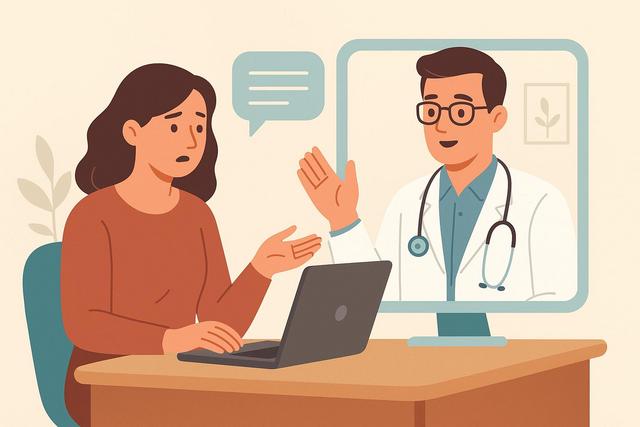
In the fast-paced world of healthcare, determining when to utilize telemedicine versus an in-person doctor visit is crucial for both patients and providers. With the rise of digital health solutions, understanding these options can lead to better care outcomes, cost-efficiency, and more personalized health management. This guide will discuss scenarios for telemedicine efficacy, when traditional visits are essential, and ways to optimize both practices for enhanced patient care.
Understanding Telemedicine: The Basics
What Is Telemedicine?
Telemedicine refers to the use of digital communication tools to provide and receive healthcare services remotely. It leverages technologies such as video calls, messaging apps, and mobile health apps to connect patients with medical professionals.(source)
Real-World Examples
A case study from the Mayo Clinic highlighted a 45% improvement in patient satisfaction rates after integrating telemedicine into their care models, primarily for follow-ups and chronic disease management. These improvements demonstrate the potential of telemedicine in enhancing healthcare delivery.
When Telemedicine Is Enough
Routine Check-Ups and Minor Ailments
Telemedicine is highly effective for routine check-ups and managing minor ailments such as colds or allergies. These conditions often require only verbal communication and visual inspection, making telehealth visits sufficient.
- Convenience: Avoid the time and effort of traveling to a clinic.
- Speed: Access healthcare professionals without waiting in long queues.
Managing Chronic Conditions
Patients with conditions like diabetes or hypertension can benefit from telemedicine by regularly sharing health data (e.g., glucose levels, blood pressure) with healthcare providers. This ongoing data stream fosters informed treatment adjustments and improved health outcomes.
When In-Person Visits Are Necessary
Complex Diagnoses and Serious Symptoms
For conditions requiring complex diagnostics or presenting serious symptoms like severe pain or bleeding, in-person visits are crucial. They allow for thorough physical examinations and immediate access to diagnostic tools like X-rays or MRIs.
Surgical Consultations and Procedures
All surgical evaluations and procedures inherently require physical presence. While pre-surgical counseling might occur over telemedicine, the actual medical tasks necessitate an in-person environment.(source)
Comparing Telemedicine and Traditional Visits
Benefits and Drawbacks
| Aspect | Telemedicine | Doctor Visit |
|---|---|---|
| Access | High | Variable |
| Cost | Lower | Higher |
| Effectiveness | Varies by condition | Generally high |
Strategic Use Cases
Utilize telemedicine to maximize resource efficiency for preventive care, chronic condition follow-up, and minor symptom evaluations. Reserve traditional visits for emergencies, diagnostic procedures, and surgeries.
Data-Driven Decisions in Healthcare
Leveraging Technology in Decision Making
AI-driven tools and electronic health records (EHR) can help delineate between cases suitable for telemedicine versus traditional care. These tools enhance decisions by analyzing patient data trends and historical responses.(source)
Actionable Insights
- Regularly update EHRs to ensure data accuracy.
- Employ AI for predictive analytics in patient monitoring.
Telemedicine Platforms and Tools
Choosing the Right Platform
Critical factors include user-friendliness, integration with EHR, and security features. Leading platforms like Teladoc and Amwell offer robust functionalities to streamline telehealth services.
Implementing Best Practices
Ensure all providers are trained in telemedicine protocols and patient privacy regulations. This training minimizes risks related to miscommunication and data breaches.
The Future of Hybrid Healthcare Solutions
Trends in Healthcare Delivery
The healthcare sector is rapidly adopting hybrid models, combining telemedicine and in-person care to maximize patient outcomes and system efficiency. Tailoring these approaches can cater to evolving patient needs and technological advancements.
Strategic Actions for Implementation
- Develop clear guidelines for using telemedicine within healthcare facilities.
- Invest in technology upgrades to support seamless telemedicine integration.
Conclusion: Making Informed Choices
Deciding when to use telemedicine versus an in-person doctor visit hinges on several factors, such as condition severity, access needs, and personal preferences. Each method offers distinct advantages and needs to be strategically balanced to achieve optimal healthcare delivery.
Key Takeaways:
- Use telemedicine for minor conditions and routine check-ups to optimize resource usage.
- Prioritize doctor visits for conditions needing comprehensive diagnostics or urgent intervention.
- Enhance healthcare decisions with data analytics and technology.
- Adopt a hybrid approach to create a responsive healthcare system tailored to varying patient demands.

