Effective Strategies to Treat Seasonal Allergies at Home
- 08/09/2026 05:11am
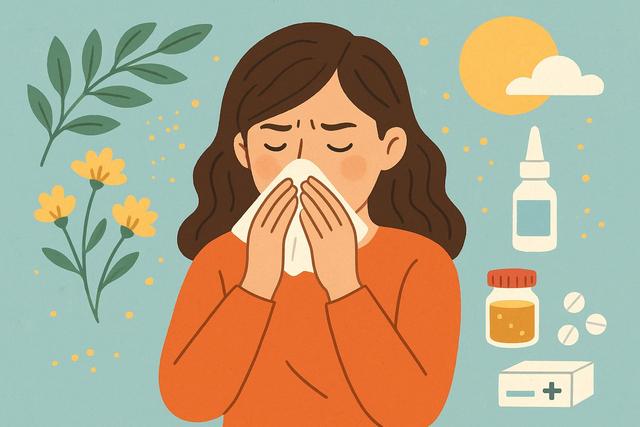
Dealing with seasonal allergies can be a recurrent struggle for many. As the pollen count rises, so do the symptoms, making daily life uncomfortable. Fortunately, there are practical and natural ways to alleviate these seasonal woes at home. This guide walks you through effective home remedies for managing allergies naturally, ensuring you can breathe easy even during peak seasons.
Understanding Seasonal Allergies
To effectively manage seasonal allergies, it's essential to understand their cause. Allergies typically occur when the immune system overreacts to allergens such as pollen, mold, dust mites, and pet dander. During certain times of the year, particularly spring, these allergens are more prevalent, leading to symptoms like sneezing, itchy eyes, and congestion.
Identifying Common Allergens
Common allergens include tree and grass pollen, mold spores, and dust mites. Pollen from trees, weeds, and grasses peaks at various times of the year, causing the notorious 'hay fever'. Knowing what triggers your allergies is key to managing your symptoms effectively at home.
Example Scenario
For instance, John experiences severe allergic reactions every spring. After allergy testing, he discovered that tree pollen was his primary trigger.
Home Remedies to Alleviate Symptoms
Effective home treatments can ease discomfort and reduce reliance on medication.
1. Neti Pot for Nasal Irrigation
Nasal irrigation is a natural way to relieve nasal congestion and irritation. It involves using a saltwater solution to flush out allergens from your nasal passages.
- Rinse twice daily: Morning and night are the best times for use.
- Use distilled or sterilized water to ensure safety.
2. Herbal Teas and Supplements
Herbal remedies like ginger, turmeric, and peppermint tea are known for their anti-inflammatory properties. Furthermore, quercetin, a natural compound found in many plants, can inhibit the release of histamines, which cause allergy symptoms.
- Recommendation: Try incorporating one to two cups of herbal tea into your daily routine.
Lifestyle Changes to Implement
Making thoughtful adjustments to your daily life can significantly reduce exposure to allergens.
1. Enhancing Indoor Air Quality
- Use HEPA filters in your air conditioner and vacuum.
- Invest in a dehumidifier for areas prone to mold growth.
2. Personal Hygiene
Showering before bed can remove pollen and other allergens acquired outdoors during the day, ensuring they do not transfer to your bedding.
Common Mistakes and Misconceptions
Relying solely on over-the-counter medication or ignoring seasonal allergy management can worsen symptoms over time.
- Mistake: Not cleaning HVAC filters regularly.
- Misconception: All natural remedies are slow. Some, like nasal irrigation, offer quick relief.
FAQs
What time of day is pollen count highest?
Typically, pollen counts are highest in the morning, between 5am and 10am.
Can diet impact allergy symptoms?
Yes, a diet rich in Omega-3 fatty acids and antioxidants can bolster immune response and reduce inflammation.
How do I identify my specific allergy triggers?
Consult an allergist for testing, or maintain a daily log of symptoms and activities.
Conclusion
Understanding your allergy profile and integrating strategic home remedies can offer immense relief. From using a neti pot to improving indoor air quality, taking deliberate steps can transform allergy season from unbearable to manageable. Begin with small changes today, and enjoy a noticeable difference in your allergy symptoms.

