Private vs Public Health Insurance: A Comprehensive Comparison
- 08/25/2026 05:11am
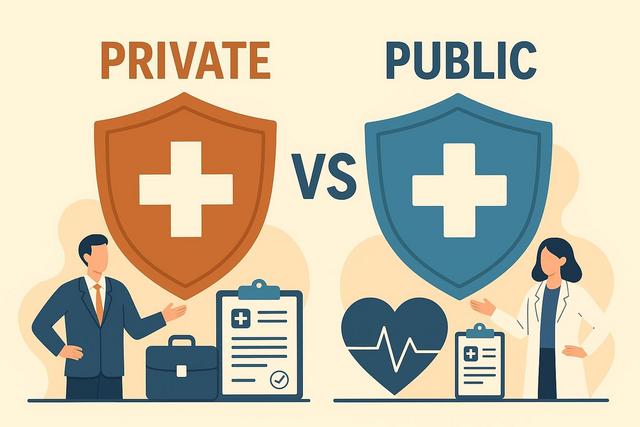
Navigating the healthcare system can be complex, particularly when deciding between private and public health insurance. Each option comes with its own benefits and drawbacks, depending on individual needs and circumstances. This guide provides a detailed comparison of private versus public health insurance to help you make an informed decision.
What is Public Health Insurance?
Public health insurance is a government-funded scheme that provides basic health coverage to eligible individuals. It is primarily funded through taxes and offers vital healthcare services.
How Public Health Insurance Works
Public health insurance covers a wide range of medical services, typically with minimal or no out-of-pocket expenses. For instance, programs like Medicare in the United States support older adults and certain younger people with disabilities. Similarly, the NHS operates in the UK, offering services to all residents.
Real-World Example: Medicare in the United States
Medicare provides a clear example of public health insurance. It includes hospital insurance, medical insurance, and offers prescription drug coverage. Many retirees depend on it for affordable healthcare.
Limitations of Public Health Insurance
Despite low costs, public health insurance can involve long wait times and limited choice in healthcare providers. There’s often less coverage for elective procedures.
What is Private Health Insurance?
Private health insurance policies are provided by non-governmental insurance companies. These plans offer customizable options, catering specifically to individual needs and preferences.
How Private Health Insurance Works
Private insurance plans often provide quicker access to healthcare services and broader choices in providers and specialists. They can be tailored to include various types of coverage like dental, optical, or international travel health coverage.
Example Scenario: Choosing a Private Health Plan
Imagine a family choosing a private plan to cover specific conditions that are not adequately addressed by public insurance, paying monthly premiums to ensure better access and more immediate care.
Risks and Downsides of Private Health Insurance
Private plans can be costly with premiums, deductibles, and co-pays. Policyholders may find it complex to navigate and may not cover all pre-existing conditions.
Key Differences: Private vs Public Health Insurance
| Feature | Public Health Insurance | Private Health Insurance |
|---|---|---|
| Cost | Generally lower | Higher premiums |
| Provider Choice | Limited | Wide range |
| Waiting Time | Often longer | Shorter |
| Coverage Customization | Standardized | Highly customizable |
| Additional Benefits | Limited | Diverse and extensive |
Strategic Considerations for Choosing Health Insurance
- Evaluate Personal Health Needs: Consider frequent medical needs when choosing between policies.
- Check Financial Implications: Public insurance usually saves money but might not meet specific needs.
- Assess Accessibility and Flexibility: Choose private insurance for reduced wait times and better provider choice.
Expert Insight
For many, a combination of both types (where available) can optimize care and protect against high expenses.
Common Mistakes and Misconceptions
- Overlooking Coverage Gaps: Assumption that all services are equally covered across public platforms.
- Misunderstanding Premiums and Deductibles: Failing to calculate the total cost of private insurance.
- Ignoring Long-term Need Changes: Not adjusting the plan according to evolving health needs over time.
FAQs about Health Insurance Choices
Can I switch between private and public insurance?
- Yes, depending on jurisdiction-specific regulations and qualifying events.
Is public health insurance available everywhere?
- Public health insurance availability varies by country and sometimes by region.
Does private insurance guarantee faster service?
- Private insurance often results in quicker service but depends on the network and location.
Conclusion
Choosing between private and public health insurance requires careful examination of needs and preferences. Assess your financial situation, health requirements, and desired level of care access. Consider a blended approach if possible to maximize benefits. Successful decision-making should result in adequate coverage that aligns with your lifestyle and healthcare expectations.

