The Pros and Cons of Private vs. Public Health Insurance
- 04/18/2025 09:10am
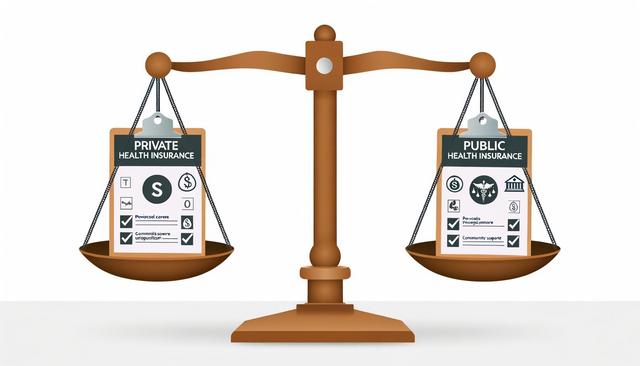
Navigating the world of health insurance can be daunting, especially when deciding between private and public health insurance options. Both systems offer unique benefits and drawbacks, impacting everything from cost to access to care. In this comprehensive guide, we will break down the pros and cons of private and public health insurance to aid you in making an informed decision.
Understanding Private Health Insurance
Private health insurance is typically purchased by individuals or provided by employers. It offers a wide range of plans tailored to diverse needs and preferences.
Advantages of Private Health Insurance
- Flexibility and Choice: Private insurance often allows policyholders to choose from a broader range of healthcare providers and facilities. This flexibility can be crucial for those seeking specialized treatments or wishing to maintain long-term relationships with specific doctors (source).
- Faster Access to Care: Enrolled members often experience reduced waiting times for medical procedures and appointments. This prompt access is particularly beneficial for elective surgeries or specialist consultations.
- Comprehensive Coverage Options: Private plans frequently offer extensive coverage, including optical, dental, and alternative therapies, which may not be available in public systems.
- Global Portability: Many private plans extend coverage internationally, providing peace of mind for frequent travelers or expatriates.
Disadvantages of Private Health Insurance
- Higher Costs: Premiums for private plans can be significantly higher than those for public insurance, adding financial strain to individuals or families without employer subsidies.
- Complexity: With numerous plan options and varying coverage levels, selecting the right private insurance can be complex and time-consuming.
- Pre-Existing Condition Limitations: Some private insurers may impose restrictions or increased premiums for those with pre-existing health conditions.
Exploring Public Health Insurance
Public health insurance is government-funded, providing essential health services to citizens at little or no direct cost. Systems vary greatly across different countries.
Advantages of Public Health Insurance
- Affordability: Public health insurance is generally more affordable, funded through taxpayer contributions, minimizing direct costs to users.
- Universal Coverage: In many countries, public systems ensure healthcare access for all citizens, reducing disparities in health outcomes.
- Simplicity: The straightforward structure of public health plans often simplifies the selection process, as comprehensive options are limited (source).
Disadvantages of Public Health Insurance
- Long Wait Times: Public systems can experience longer wait times for non-emergency services, potentially delaying treatment for non-urgent conditions.
- Limited Provider Options: Choice of healthcare providers may be restricted to those within the public system, limiting access to specialists not under government contracts.
- Variable Quality and Innovation: Some public systems may lack the resources for cutting-edge treatments and advanced care options available in private facilities.
Case Study: Health Insurance Systems in the U.S. and U.K.
United States
In the United States, the balance between private and public insurance is often debated. As of 2022, nearly 49% of Americans were covered by employer-sponsored private insurance, while programs like Medicare and Medicaid provided public options (source). The high cost of healthcare pushes many to weigh private coverage benefits against public options' affordability.
United Kingdom
Conversely, the U.K. employs the National Health Service (NHS), a public system that offers nearly free healthcare at the point of use. Private insurance in the U.K. functions as a supplementary option, appealing to those desiring expedited services or additional choice.
Conclusion and Actionable Takeaways
Choosing between private and public health insurance requires careful consideration of personal needs and financial circumstances. For swift access, broad provider selection, and comprehensive services, private insurance might be favored. However, for cost-effectiveness and universal service, public insurance remains ideal. Assess your healthcare requirements, compare costs, and seek expert consultations if necessary. Understanding the nuances of each system empowers you to secure coverage that aligns with your healthcare expectations.

