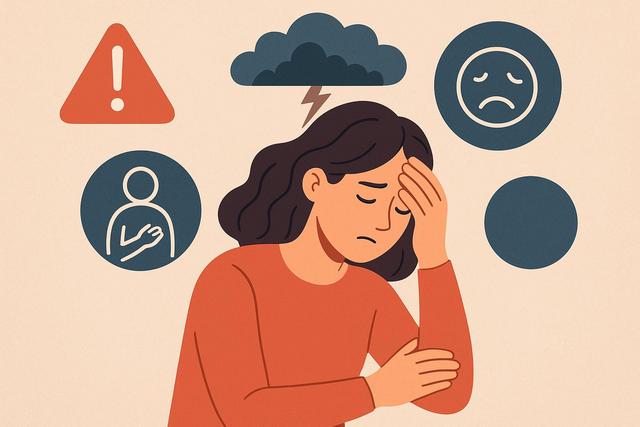
In today's fast-paced world, mental health is pivotal for overall well-being. Ignoring mental distress can lead to severe consequences, making it crucial to recognize early warning signs. This guide provides a detailed analysis of symptoms you shouldn’t ignore, coupled with real-life examples and actionable insights to maintain mental health.
Understanding the Importance of Mental Health
Mental health affects our thoughts, emotions, and behaviors. Recognizing the early signs of mental distress is vital for timely intervention.
Psychological Impact
Ignoring mental health signs leads to severe psychological disorders. For instance, untreated depression may escalate into major depressive disorder affecting daily functioning.
Depression affects over 264 million people globally (World Health Organization). Such data underlines the need for early recognition of symptoms such as prolonged sadness, fatigue, or loss of interest.
Real-World Example: A Case Study of John Doe
John, a software engineer, neglected his persistent stress and anxiety. Consequently, his productivity declined, and he developed clinical depression, necessitating therapeutic intervention.
Actionable Insight: Be proactive. Regular self-assessments and seeking help at the onset of distressing symptoms can prevent escalation.
Physical Symptoms Indicating Mental Distress
Many physical symptoms, often overlooked, may indicate mental health issues.
Chronic Pain
Persistent headaches or unexplained muscle aches might not be merely physical. Research indicates a connection between chronic pain and depression; 65% of people with depression report pain as a symptom.
- Transition from frequent physio visits to examining mental triggers.
Fatigue
Fatigue linked with no physical exertion could signal underlying anxiety or depression issues.
- Consider a holistic health evaluation focusing on psychological and physical wellness.
Behavioral Changes as Warning Signs
Behavioral changes are a direct reflection of one's mental state. Recognizing these changes promptly can prevent potentially detrimental outcomes.
Social Withdrawal
Avoiding social interactions is often a defense mechanism against anxiety or depression. According to Mental Health America, social withdrawal is a common early symptom.
- Encourage gradual reintegration into social activities to rebuild networks and improve mood.
Sudden Mood Swings
Frequent and unexplained mood changes may signify bipolar disorder or borderline personality disorder.
- Family or close friends should be attentive to ensure timely professional intervention.
Cognitive Warning Signs
Cognitive changes, such as impaired concentration and memory, often signal mental distress.
Poor Concentration
Struggling to focus might hinder job performance or personal growth.
- Allocate dedicated relaxation and mindfulness breaks during work hours for mental rejuvenation.
Memory Issues
Memory lapses without physical cause may be rooted in chronic stress or depressive episodes.
- Consider cognitive behavioral therapy (CBT) to address underlying stressors and improve mental clarity.
Utilizing Technology and Resources
Leveraging technology can aid in recognizing and addressing mental health warnings.
Mental Health Apps
Apps like Headspace and Calm are tailored to support meditation and stress management, promoting mental wellness.
- Incorporate app usage to maintain regular mental health check-ins.
Online Therapy
Platforms such as BetterHelp or Talkspace offer accessible mental health support.
- Online therapy serves as an alternative for individuals uncomfortable with face-to-face therapy.
Building a Support System
A robust support system is crucial for managing mental health.
Family Involvement
Families should actively participate in understanding mental health dynamics, offering encouragement and understanding.
- Foster open communication channels at home to discuss mental health openly and honestly.
Community Support
Engaging with communities such as support groups or mental health organizations provides external support.
- Participate in local or online groups for shared experiences and advice.
Cultivating Positive Lifestyle Changes
Adopting a positive lifestyle significantly impacts mental health.
Diet and Exercise
A balanced diet and regular physical activity enhance mood and brain function.
- Incorporate omega-3s, which are shown to improve mental health.
- Regular exercise reduces anxiety and can aid in coping with stress.
Mindfulness and Meditation
Practicing mindfulness can reduce stress and promote mental clarity.
- Dedicate a few minutes each day to mindfulness exercises like breathing techniques or guided meditation.
Conclusion: Implementing Changes for Better Mental Health
Recognizing mental health warning signs is imperative for prevention and intervention. By understanding and identifying early signs, we can adopt strategic measures to ensure and enhance mental well-being.
Actionable Steps:
- Engage in regular mental health assessments.
- Utilize technology for support.
- Build a strong support system.
- Adopt positive lifestyle changes.
Visit reputable sites like Mental Health America for resources and further reading on mental health management.

