Stem Cell Therapy: Real Uses in 2026
- 02/16/2026 05:11am
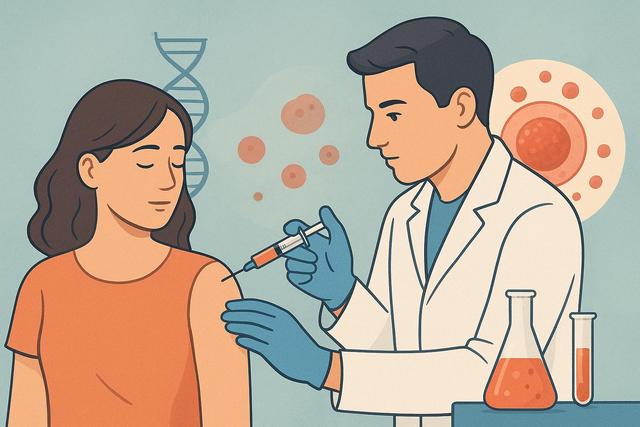
Stem cell therapy, a frontier in regenerative medicine, continues to gain traction as a viable medical treatment. As we move towards 2026, understanding the approved uses and the effectiveness of these treatments is essential. This comprehensive guide explores current applications, the science behind them, and what the future may hold.
The Science Behind Stem Cell Therapy
Stem cells have the unique ability to develop into various types of cells in the body, offering a versatile tool for regenerative medicine. By either repairing damaged tissues or creating entirely new tissues, stem cells hold the potential to revolutionize treatment methodologies across a range of diseases.
Types of Stem Cells
There are several types of stem cells used in therapy, including embryonic stem cells, adult stem cells, and induced pluripotent stem cells (iPSCs). Each has distinct properties that influence their application in medicine.
Approved Stem Cell Therapies in 2026
As of 2026, stem cell therapies have received approval for a number of applications, providing real benefits under strictly regulated conditions.
Hematopoietic Stem Cell Transplantation
One of the most established uses of stem cell therapy is in hematopoietic stem cell transplantation, which has been successfully used to treat cancers such as leukemia and lymphoma. This process involves replacing diseased bone marrow with healthy stem cells, effectively reconstituting the patient's blood cells.
Cartilage Repair
Stem cell therapy for cartilage repair, particularly in conditions like osteoarthritis, has shown considerable promise. Mesenchymal stem cells are commonly utilized here, helping to generate new cartilage and relieve pain.
Ophthalmic Applications
Stem cell treatments have also been approved for certain eye conditions such as limbal stem cell deficiency and some types of macular degeneration. These treatments aim to regenerate damaged retinal tissues or corneal surfaces, restoring vision.
Emerging Treatments
While the above applications are among the most established, research continues to explore new treatment possibilities.
Neurological Conditions
Progress is being made in using stem cells to combat neurological disorders like Parkinson's disease and spinal cord injuries. Early trials suggest that stem cells may help regenerate neural tissues, though substantial clinical data is still needed.
Diabetes Treatment
Researchers are investigating using stem cells to produce insulin-secreting cells, offering a potentially transformative approach for managing or even curing diabetes.
Challenges and Considerations
Despite its potential, stem cell therapy faces several challenges. Ethical considerations, precise patient matching, and the risk of tumors are ongoing concerns. Regulatory oversight, especially from bodies like the FDA, ensures safety and efficacy in treatments.
The Future of Stem Cell Therapy
Looking ahead, continued advancements in genomic technologies and personalized medicine may broaden the scope of stem cell applications. As research evolves, the therapy could become a cornerstone of treatment for numerous conditions.
Conclusion: Actionable Takeaways
- Stay informed about the latest approved uses of stem cell treatments.
- Recognize the conditions currently benefitting from stem cell therapy.
- Follow reputable sources like NIH and scientific journals for ongoing research insights.
- Consult healthcare professionals before considering stem cell treatments.

