How Stem Cell Therapy is Transforming Medicine
- 03/14/2025 11:11am
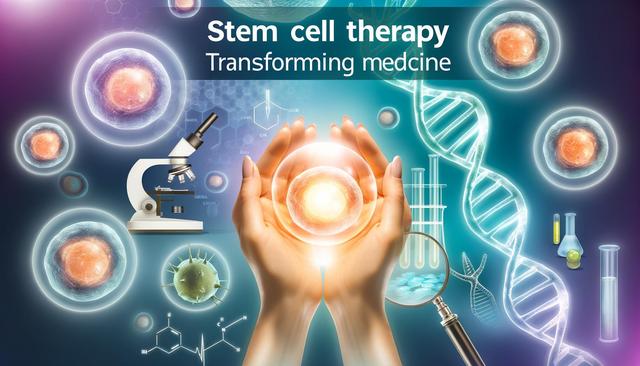
Stem cell therapy, once the stuff of science fiction, is now at the forefront of regenerative medicine, offering promising new solutions for chronic diseases. This detailed guide explores how this innovative treatment is reshaping the medical landscape.
Understanding Stem Cell Therapy
Stem cell therapy utilizes the unique properties of stem cells to regenerate damaged tissues and organs. Unlike conventional cells, stem cells have the potential to differentiate into various cell types, making them incredibly valuable in treating conditions that currently have limited therapeutic options.
Types of Stem Cells
Embryonic Stem Cells: These are pluripotent stem cells derived from early-stage embryos. They can develop into any cell type, offering significant potential but also raising ethical concerns.
Adult Stem Cells: Found in various tissues, such as bone marrow or fat, these multipotent cells are more limited but have fewer ethical implications.
Induced Pluripotent Stem Cells (iPSCs): These are adult cells reprogrammed to act like embryonic stem cells. They offer great promise without the associated ethical concerns.
Transformative Impact on Regenerative Medicine
Advancements in Treating Chronic Diseases
Stem cell therapy has shown potential in treating a wide range of chronic diseases, such as diabetes, heart disease, and neurodegenerative conditions. According to a National Institutes of Health report, ongoing research and clinical trials are yielding promising results.
Case Study: Diabetes Treatment
A noteworthy study published in the Journal of Stem Cell Research and Therapy explored the use of stem cell-derived insulin-producing cells. Patients showed improved glucose levels, showcasing how stem cells might offer a new frontier in diabetes care.
The Science Behind Stem Cell Renewables
Mechanisms of Action
Stem cells facilitate repair by promoting the regeneration of damaged tissues. This is achieved through differentiation, paracrine signaling, and reducing inflammation, which collectively enhance the body's natural healing processes.
Cancer Treatment and the Potential of Stem Cells
Regenerative therapy is also being explored for its potential to target cancerous cells, offering dual functions of replacing affected tissues and directly targeting tumor growth, as highlighted by Cancer Research UK.
Challenges and Ethical Considerations
Ethical Dilemmas and Regulatory Hurdles
The use of embryonic stem cells has been a subject of ethical debate, primarily due to the methods involved in obtaining them. Regulatory bodies like the FDA are working to establish guidelines to ensure ethically responsible research.
Technical and Safety Concerns
Ensuring the safety and efficacy of stem cell treatments is crucial. Risks include potential immune rejection and the possibility of uncontrolled cell growth. Ongoing research aims to mitigate these risks.
Access and Future Directions
Expanding Availability and Clinical Adoption
As the science evolves, so does the need for cost-effective and accessible treatments. Collaborative efforts between scientists and healthcare providers aim to make stem cell therapy widely available.
Future of Medical Research
Stem cell research is on an upward trajectory. The continued advancements in genetic engineering, such as CRISPR, are set to enhance the precision of these treatments, opening new avenues for medical breakthroughs.
Conclusion and Actionable Takeaways
Stem cell therapy represents a revolutionary change in medicine, with the potential to offer new treatments for debilitating diseases. As research progresses, it's essential for stakeholders to advocate for ethical practices, foster public understanding, and support innovative healthcare policies. Consider staying updated with the latest findings through credible sources like the Stem Cell Network, which provides comprehensive research news and updates.

