Top Innovations in Pain Management Treatments
- 05/19/2025 09:11am
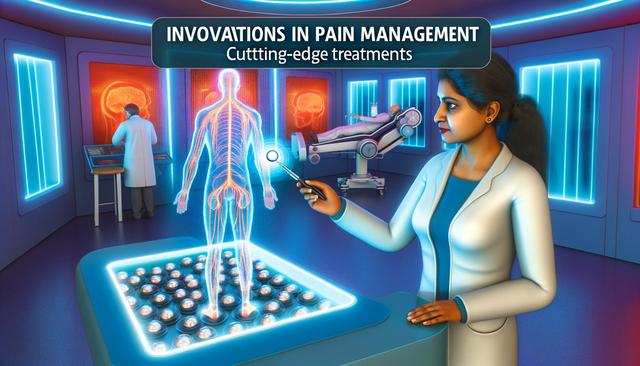
In the rapidly evolving field of medicine, pain management has seen significant advancements aimed at providing relief for chronic pain sufferers. These innovations are not only improving the quality of life for millions but are also setting new standards for treatment protocols. This article explores the latest breakthroughs in pain management treatments, offering insights into their effectiveness, implementation, and potential future developments.
1. Introduction to Pain Management Innovations
Chronic pain is a persistent and complex medical condition that affects approximately 20% of the adult population worldwide. As traditional treatment methods often fall short, modern innovations in pain management are gaining attention for their ability to provide enhanced and longer-lasting relief.
2. Neuromodulation Techniques
Neuromodulation encompasses several cutting-edge techniques that target the nervous system to alter pain signals, offering personalized treatment options.
2.1 Spinal Cord Stimulation (SCS)
Spinal Cord Stimulation involves implanting a device that sends electrical impulses to the spinal cord, reducing the perception of pain. According to a study published in the Journal of Pain Research, SCS has been reported to decrease pain by 50% or more in clinically significant cases. Its minimally invasive nature and adjustable settings make it a versatile option for chronic pain management.
2.2 Peripheral Nerve Stimulation (PNS)
Peripheral Nerve Stimulation works similarly to SCS but focuses on the peripheral nerves. A 2023 review in Pain Medicine highlighted its efficacy in treating pain conditions such as migraines and neuropathic pain with fewer side effects.
3. Regenerative Medicine
Regenerative medicine leverages the body's own repair mechanisms to address pain at its source, offering promising results in chronic pain management.
3.1 Stem Cell Therapy
Stem cell therapy uses mesenchymal stem cells (MSCs) to promote the repair of damaged tissues. A report in Nature Reviews Rheumatology outlines how stem cell therapy has successfully reduced inflammation and improved joint function in chronic arthritis patients.
3.2 Platelet-Rich Plasma (PRP)
Platelet-Rich Plasma therapy involves injecting concentrated platelets from the patient's blood to accelerate healing. Studies, such as one from the American Journal of Sports Medicine, have documented significant pain reduction in musculoskeletal conditions like tendonitis and osteoarthritis.
4. Pharmacological Innovations
Recent pharmaceutical developments have introduced new medications designed to target pain pathways more effectively and with fewer side effects.
4.1 Non-Opioid Analgesics
The opioid crisis has prompted the development of non-opioid alternatives, such as Nuedexta and Lemborexant, offering effective pain relief without addiction risks. These drugs work by targeting specific neurotransmitters involved in pain perception.
4.2 Dual-Mechanism Analgesics
These medications employ a combination of two different mechanisms to manage pain effectively. For example, tapentadol combines mu-opioid receptor agonism and norepinephrine reuptake inhibition to tackle both nociceptive and neuropathic pain.
5. Psychological Approaches
Pain is not merely a physical sensation but is intricately connected to psychological factors.
5.1 Cognitive Behavioral Therapy (CBT)
CBT has been integrated into pain management strategies to address the psychological component of chronic pain. A paper in the Journal of Consulting and Clinical Psychology found that CBT significantly reduces the emotional distress associated with chronic pain, thereby improving overall pain management outcomes.
5.2 Virtual Reality Therapy
Virtual reality (VR) therapy is an emerging technique employed to distract patients and reduce pain perception effectively. An innovative study from Pain Reports demonstrated that VR is a valuable tool in managing pain during acute procedures, offering a non-invasive and user-friendly alternative.
6. Conclusion: Future of Pain Management
The innovations in pain management treatments discussed in this article represent the forefront of medical research and technology. As these methods continue to evolve, they promise to offer increasingly effective and personalized solutions for chronic pain relief. Patients and healthcare providers should stay informed about these advancements to make educated decisions when managing chronic pain conditions.
Actionable Takeaways
- Explore credential sources like Pain Research Forum for the latest updates in pain management.
- Consult with healthcare professionals about the suitability of advanced pain management techniques.
- Consider integrating psychological approaches alongside medical treatments for a holistic strategy.

