Top Telemedicine Platforms for Doctors Online
- 06/24/2026 05:11am
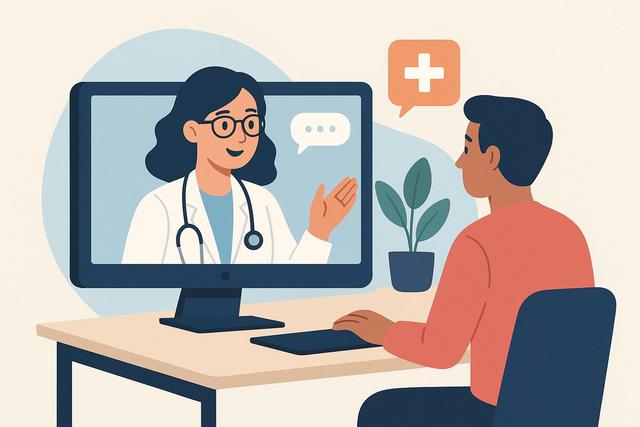
In recent years, telemedicine has rapidly transformed the healthcare landscape. As doctors increasingly seek efficient and flexible ways to consult with patients, the demand for robust telemedicine platforms continues to grow. This guide explores the best telemedicine solutions available for medical professionals today, offering a strategic analysis of their features, benefits, and limitations.
Understanding Telemedicine Platforms
Telemedicine platforms facilitate virtual patient-doctor interactions through digital means. They serve as a critical tool to ensure healthcare accessibility without geographical constraints. By employing video conferencing, secure messaging, and electronic health record integration, these platforms empower healthcare providers to offer remote medical consultations effectively.
Consider a scenario where a doctor in an urban area collaborates with patients from rural regions. With a reliable telemedicine platform, the doctor can conduct routine check-ups, manage chronic diseases, and even prescribe medications virtually, improving patient satisfaction and healthcare delivery.
Key Features of Top Telemedicine Platforms
When evaluating telemedicine platforms, several essential features should be considered:
- User-Friendly Interface: An intuitive interface is crucial for both doctors and patients to enhance the user experience.
- HIPAA Compliance: Ensuring patient data privacy and security is paramount. Platforms must comply with Health Insurance Portability and Accountability Act (HIPAA) regulations.
- Integration Capabilities: Effective platforms integrate seamlessly with existing electronic health record (EHR) systems.
- Multimedia Support: High-quality audio and video capabilities are essential for accurate diagnoses and consultations.
- Flexible Scheduling: Dynamic scheduling features allow for efficient appointment management.
- Patient Portal Accessibility: A robust patient portal facilitates contactless check-ins and real-time updates.
Leading Telemedicine Platforms
Exploring some of the leading telemedicine platforms can provide insight into their offerings and advantages:
1. Doxy.me
Widely praised for its simplicity, Doxy.me requires no downloads or installations. It's ideal for small practices and offers a basic free plan with core functionalities such as video calls and digital document sharing. The platform's compliance with HIPAA and ease of use makes it popular among doctors who prioritize straightforward patient interactions.
2. Amwell
Amwell offers a more comprehensive telehealth experience suitable for larger healthcare systems and independent practitioners. It features custom branding options, payment processing, and a robust EHR integration. Its emphasis on scalability makes it a perfect fit for practices looking to expand their digital service offerings.
3. Teladoc
Renowned for its extensive reach and reliability, Teladoc is ideal for large healthcare providers. It supports various medical specialties, offering advanced analytics and monitoring tools that provide real-time data and insights.
4. Vsee
Vsee specializes in telepsychiatry solutions, providing clinicians with tools to conduct therapy sessions effectively. It offers innovative features like tracking patient progress and telehealth-specific tools tailored for mental health professionals.
Comparison Table
| Platform | Strengths | Limitations |
|---|---|---|
| Doxy.me | Simplicity, Free plan | Limited features without subscription |
| Amwell | Branding, EHR integration | Higher cost |
| Teladoc | Large network, Multi-specialty | Complex setup |
| Vsee | Telepsychiatry, Patient tracking | Niche focus |
Practical Recommendations for Doctors
To maximize telemedicine effectiveness, consider these actionable insights:
- Choose the Right Platform: Align platform capabilities with your practice needs and patient demographics.
- Train Staff and Patients: Conduct training sessions to familiarize staff and patients with digital tools.
- Ensure Compliance: Regularly update software and hardware to meet regulatory and security standards.
Risks and Common Mistakes in Telemedicine Adoption
While telemedicine promises numerous advantages, being wary of certain pitfalls is necessary:
- Data Security Breaches: Inadequate data protection can lead to breaches. Always use encrypted communication channels.
- Technology Barriers: Patients with limited tech access may struggle, impacting service quality.
- Over-Reliance: Some clinical issues may still require in-person evaluation despite telemedicine advancements.
Conclusion and Implementation Steps
Telemedicine represents a dynamic shift in healthcare delivery, offering both challenges and opportunities. As digital healthcare technology continues to evolve, selecting the right telemedicine platform becomes essential. Implementation steps include evaluating specific needs, training, and ensuring technology is up-to-date and compliant.
Embrace telemedicine as a means of enhancing patient interaction and delivering accessible, quality care. Future advancements will undoubtedly enhance these platforms further, fostering an even more integrated healthcare system.

