Understanding Common Medical Treatments: A Clear Guide
- 05/08/2026 05:11am
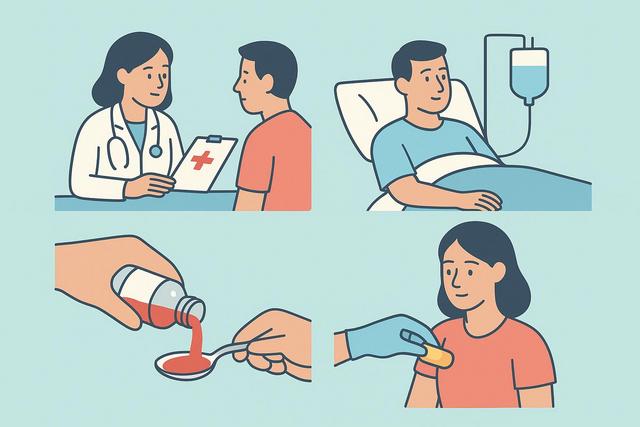
In today's fast-paced world, understanding common medical treatments is vital for making informed health decisions. Each treatment has its specific purpose and application, often linked with a patient's unique medical condition. This guide aims to demystify some frequent medical interventions, providing clarity on their procedures, utility, and expected outcomes.
Introduction to Common Medical Treatments
Medical treatments vary widely, tailored to address specific health conditions while ensuring patient safety and efficacy. Understanding these treatments can empower patients to participate actively in their healthcare decisions.
Importance of Informed Healthcare Decisions
Informed patients can communicate better with healthcare providers, leading to improved care outcomes. Knowledge of common treatments fosters active participation, ensuring shared decision-making.
The Role of Healthcare Providers
Healthcare providers, including doctors and specialists, guide patients through treatment options, tailoring interventions based on medical expertise and patient needs.
Antibiotics: Usage and Misconceptions
Antibiotics are among the most common treatments prescribed globally. However, misuse and overprescription raise significant healthcare concerns.
What Are Antibiotics?
Antibiotics are medications designed to treat bacterial infections. Their role is critical in resolving infections like strep throat, urinary tract infections, and more.
- Broad-spectrum antibiotics can target a wide range of bacteria.
- Narrow-spectrum antibiotics focus on specific bacteria.
Case Study: Antibiotic Resistance
A striking example of antibiotic misuse is the emergence of antibiotic resistance. According to the CDC, at least 2.8 million antibiotic-resistant infections occur annually in the U.S. alone, posing significant public health risks.
Vaccination: Immunization and Public Health
Vaccines are biological preparations providing immunity against infectious diseases. They are vital for both individual and collective health.
How Vaccines Work
Vaccines stimulate the immune system to recognize and combat pathogens, without causing the disease itself.
- Live-attenuated vaccines: Contain a weakened form of the virus.
- Inactivated vaccines: Include killed bacteria or viruses.
Strategic Insights into Vaccine Deployment
Vaccination strategies vary based on regional disease prevalence. For instance, while the HPV vaccine is crucial in preventing cervical cancer, its implementation in developing countries is vital for lowering cancer rates globally.
Immunotherapy: Revolutionizing Cancer Treatment
Immunotherapy is an innovative treatment harnessing the body's immune system to fight cancer, offering hope where conventional therapies may falter.
Key Techniques in Immunotherapy
- Checkpoint inhibitors release the brakes on the immune system, allowing it to destroy more cancer cells.
- CAR T-cell therapy involves enhancing patient T-cells to better detect and attack cancer.
Real-World Results
Studies, such as those published by The Lancet Oncology, demonstrate a significant survival increase in patients with advanced melanoma treated with checkpoint inhibitors.
Surgical Interventions: Precision and Advances
Surgery is a cornerstone treatment for various medical conditions, often offering definitive solutions.
Minimally Invasive vs. Traditional Surgery
The evolution of surgical techniques has facilitated minimally invasive procedures, reducing recovery time and improving outcomes.
- Laparoscopic surgery involves making small incisions and using a camera to guide the procedure.
- Robotic surgery enhances precision through computer-assisted instruments.
Surgical Case Study
A study by Health Affairs reported that patients undergoing minimally invasive surgery required 20% fewer days of hospitalization compared to traditional surgery, emphasizing the efficacy and cost-effectiveness of these procedures.
Physical Therapy: Rehabilitation and Recovery
Physical therapy plays a crucial role in recovery from injuries and surgeries, emphasizing the restoration of function and movement.
Elements of Effective Physical Therapy
- Manual therapy involves the therapist using hands-on techniques to promote healing.
- Exercise therapy incorporates customized physical activities to restore strength and mobility.
Benefits Backed by Data
Research from the Journal of Orthopaedic & Sports Physical Therapy shows a 40% improvement in functional outcomes for patients who adhered to comprehensive physical therapy programs post knee surgery.
Alternative Treatments: Complementary Approaches
Complementary and alternative treatments continue to gain acceptance in mainstream healthcare for managing chronic pain and enhancing wellness.
Acupuncture and Its Proven Effects
Acupuncture involves inserting thin needles through the skin to stimulate specific points, shown to reduce pain and improve overall well-being.
Integrating Alternative Treatments
Integrating alternative treatments with conventional medicine requires a strategic approach to optimize patient outcomes. Combining methods like acupuncture and physical therapy can enhance pain management strategies.
Conclusion
In understanding these common medical treatments, patients are better equipped to engage in conversations about their care, participate in decision-making, and optimize health outcomes. Key takeaways include:
- Collaborate with healthcare providers to tailor treatment plans.
- Stay informed about the implications of each treatment.
- Recognize the value of alternative treatments when integrated with conventional medicine.
Implementation involves actively seeking reliable information, maintaining open communication with healthcare professionals, and advocating for evidence-based treatment options.

