Comprehensive Treatment Options for Common Health Conditions
- 05/20/2026 05:11am
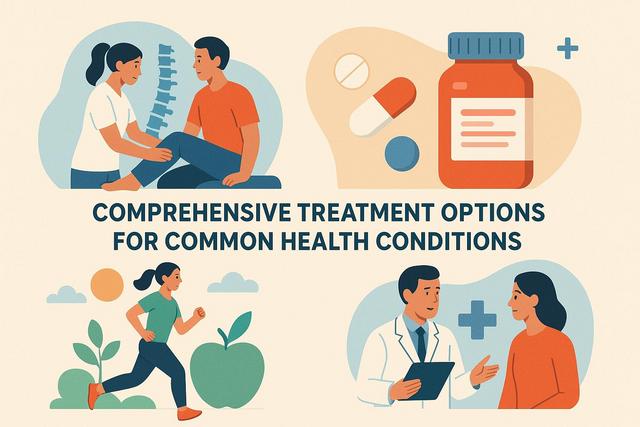
Navigating the myriad of treatment options for common health conditions can be overwhelming. This article explores strategic approaches, supported by real-world examples and data, for treating prevalent medical issues. Understanding these choices can empower patients and healthcare providers to make informed decisions.
Understanding Treatment Choices for Hypertension
Hypertension, or high blood pressure, affects millions worldwide. Recognizing treatment options is crucial for managing and potentially reversing this condition.
Lifestyle Modifications
- Dietary Changes: Adopting a diet rich in fruits, vegetables, and low-fat dairy can lower blood pressure by 11 mm Hg, according to the DASH study.
- Exercise: Regular aerobic activity, such as walking or cycling for 30 minutes most days, can reduce blood pressure by 5 to 8 mm Hg.
Pharmacological Interventions
- ACE Inhibitors: These medications help relax blood vessels. They are often prescribed when lifestyle changes are insufficient. A study in the Journal of Hypertension found a 30% reduction in cardiac events.
- Calcium Channel Blockers: Effective in older adults, they have shown to reduce stroke incidence by 40% in hypertensive patients.
Each treatment plan must be tailored to individual needs, considering factors such as age, race, and overall health conditions.
Managing Diabetes: An Integrated Approach
Diabetes management involves a combination of lifestyle and pharmacological strategies to maintain glycemic control.
Blood Sugar Monitoring
- Continuous Glucose Monitors (CGMs): Devices like Dexcom G6 help patients track glucose trends. They provide critical data that can guide real-time management decisions.
Medication and Insulin Therapy
- Metformin: As a first-line medication, it lowers blood glucose production in the liver. Clinical data suggest a 25% reduction in diabetes-related complications.
- Insulin Injections: Necessary for Type 1 diabetics, who produce little to no insulin naturally. Adjusting dosages based on meal sizes and physical activity is imperative.
A personalized plan devised with a healthcare provider enhances efficacy and patient adherence.
Effective Treatment of Anxiety Disorders
Given the prevalence of anxiety disorders, a multifaceted treatment approach ensures better patient outcomes.
Cognitive Behavioral Therapy (CBT)
- Therapeutic Benefits: CBT can reduce anxiety symptoms by 50% through structured sessions focused on changing cognitive patterns.
Pharmacotherapy
- SSRIs and SNRIs: Drugs like Sertraline and Venlafaxine are first-line treatments for anxiety. A meta-analysis in The Lancet revealed significant efficacy over placebo with a risk reduction of 40%.
Treatment alignment with patient preference is critical to ensure continued therapy engagement.
Approach to Common Cold: Symptomatic Relief
Although typically benign, the common cold can be debilitating. Treatment focuses on symptom management.
Home Remedies
- Steam Inhalation and Hydration: These methods are fundamental for nasal congestion and help maintain mucus membrane moisture.
Over-the-Counter Medications
- Decongestants: They provide quick relief for nasal congestion. Guidelines suggest limiting use to a few days to prevent rebound congestion.
The average duration is 7–10 days; thus, setting patient expectations is vital.
Tackling Depression: Therapy and Medication
Major depressive disorder necessitates a combination of therapeutic and pharmacological interventions.
Psychotherapy
- Interpersonal Therapy (IPT): This method focuses on improving personal relationships and communication. Studies show a 30% symptom reduction.
Antidepressants
- SSRIs: Their accessibility and efficacy make them a common choice, initiating symptom reduction within 2 weeks for many patients as found in the STAR*D study.
Integrating patient feedback into treatment adjustments improves long-term success.
Arthritis Management: Balancing Medication and Lifestyle
Managing arthritis focuses on alleviating symptoms and slowing disease progression.
Physical Activity
- Low-Impact Exercises: Activities like swimming have demonstrated improvements in mobility and reduced pain perception.
Medications
- NSAIDs and Biologic Agents: These reduce inflammation and pain. According to the American College of Rheumatology, biologics can prevent joint damage effectively in early-stage arthritis.
Aligning activities with individual capabilities ensures sustained improvements.
Conclusion: Strategic Implementation of Treatment Options
Understanding diverse treatment options for common health conditions equips patients and healthcare providers with vital tools for management and improvement. Prioritizing individualized plans that consider both lifestyle adaptations and pharmacological interventions is essential.
Key Takeaways and Implementation Steps
- Assess Personal Health Needs: Determine specific condition requirements by consulting healthcare professionals.
- Develop a Comprehensive Plan: Incorporate a mix of lifestyle changes and medical interventions.
- Monitor Progress: Use tools like CGMs or hypertension monitors to track health improvements.
- Adjust as Needed: Regularly update treatment plans in collaboration with healthcare providers.
These steps ensure a tailored and dynamic approach to healthcare, leading to better outcomes and enhanced patient quality of life.

