Understanding Telemedicine Costs Per Consultation
- 08/28/2026 05:11am
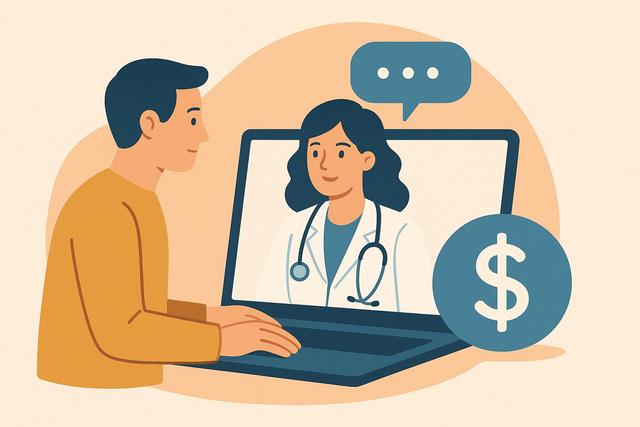
In the evolving landscape of healthcare, telemedicine stands as a revolutionary advancement. This guide will explore the cost structure of telemedicine consultations, providing valuable insights for both providers and patients.
What is Telemedicine and How Does it Work?
Telemedicine leverages technology to provide medical consultations remotely. Patients connect with healthcare providers through secure video conferencing tools, apps, or even by phone. This model not only offers convenience but also increases access to healthcare, especially in remote areas.
For example, platforms like Teladoc allow users to consult with medical professionals 24/7, making healthcare more accessible for everyone. The efficiency and accessibility of telemedicine are reshaping how we approach healthcare.
Analyzing the Cost of Telemedicine Consultations
The pricing for a telemedicine consultation can vary due to several factors. Generally, the costs range from $40 to $200 per session, but this can fluctuate based on the provider's experience, specialization, and the complexity of the consultation.
Factors Influencing Telemedicine Costs
- Provider's Expertise: Specialists often charge more compared to general physicians.
- Platform Fees: Some telemedicine platforms may add a service fee on top of the provider's charge.
- Insurance Coverage: Some insurance plans cover telemedicine costs, reducing out-of-pocket expenses.
Real-World Example
A consultation for a common cold might only be $50 with a general practitioner, whereas a consultation with a dermatologist could be upwards of $180. The disparities primarily depend on specialization and healthcare platforms' fee models.
Comparing Telemedicine to Traditional Consultations
| Aspect | Telemedicine | Traditional Consultation |
|---|---|---|
| Accessibility | High, Remote Access | Requires Physical Visit |
| Cost | Generally Lower | Variable (often higher) |
| Time Efficiency | Faster, No Travel Needed | Travel and Waiting Times |
| Flexibility | High, 24/7 Options | Limited to Office Hours |
Benefits of Telemedicine
- Cost-Effective: Reduces travel expenses and time off work.
- Convenience: Fits into patients’ schedules more easily.
- Increased Access: Benefits rural communities with access to healthcare resources.
Strategic Insights
To leverage telemedicine effectively, patients should:
- Check Insurance: Confirm telemedicine coverage in your health plan.
- Choose Platforms Wisely: Compare costs and services of different platforms like Doctor on Demand or Amwell.
Potential Risks and Limitations of Telemedicine
While telemedicine is advantageous, there are pitfalls and limitations:
- Privacy Concerns: Ensure that the platform uses secure, HIPAA-compliant systems.
- Technical Difficulties: Technical issues can disrupt the session.
- Misdiagnosis Risks: Lack of physical examination might lead to incorrect diagnosis.
Common Misconceptions About Telemedicine Costs
- It’s Always Cheaper: While generally more affordable, complex consultations can still be costly.
- Insurance Always Covers It: Not all insurance providers cover telemedicine. Check specific plan details.
- Limited to Primary Care: Telemedicine extends beyond primary care to specialties including mental health and dermatology.
Conclusion and Practical Steps Forward
To make the most of telemedicine, engage in thorough research about potential providers and platforms. Ensure that the service meets your needs both financially and medically.
Key Takeaways:
- Understand the factors affecting telemedicine costs.
- Evaluate coverage through your health insurance plan.
- Stay informed about the privacy policies of the telehealth platforms.
By harnessing the potential of telemedicine effectively, patients can enjoy the convenience of effective healthcare at a manageable cost.

