Best Tools to Track Mood and Mental Health
- 06/26/2026 05:11am
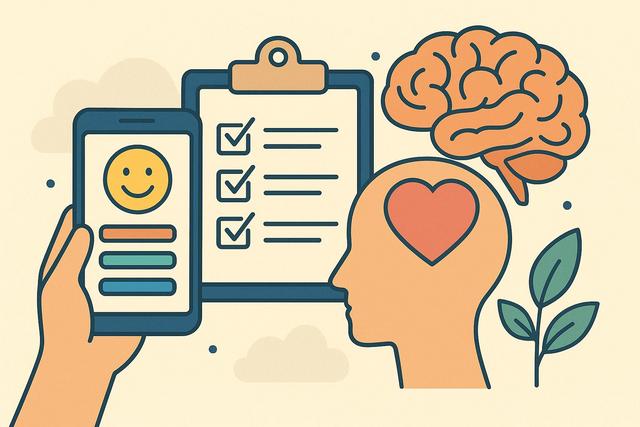
Tracking your mood and mental health is an essential aspect of self-care in our fast-paced world. Thankfully, technology offers convenient tools to support this effort. In this guide, we will delve into the best tools available to track mood and mental health, explaining their features, benefits, and how they can be integrated into daily life for improved well-being.
Understanding the Importance of Mood and Mental Health Tracking
Tracking mood and mental health involves regularly recording thoughts, feelings, and behaviors to identify patterns or triggers. Recognizing these patterns can empower individuals to manage stress and anxiety better, ultimately leading to improved mental health. For example, if an individual notices their mood declines on Sunday evenings, they can evaluate potential stressors, such as upcoming work deadlines, and develop strategies to manage these feelings proactively.
Key Features to Look For in Mood and Mental Health Tools
When selecting a tool to track mood and mental health, it's crucial to consider features that best suit your needs. Here are some key elements to consider:
- User-Friendly Design: A tool with an intuitive interface ensures consistent use without overwhelming the user.
- Customization Options: The ability to customize categories or add personal notes allows for tailored tracking, ensuring the tool is relevant to individual circumstances.
- Data Visualization: Graphs and charts help visualize mood changes over time, providing clear insights at a glance.
- Reminders and Alerts: Notifications can encourage regular entries, fostering a routine of self-awareness and reflection.
Top Tools to Track Mood and Mental Health
1. Moodfit
Moodfit is renowned for its comprehensive features tailored to enhancing mental health. It offers a customizable mood journal, including cognitive behavioral therapy (CBT) exercises and a gratitude journal. Users can leverage daily prompts to track anxiety and depression triggers, encouraging proactive management of these conditions. Moreover, it includes resources from mental health professionals, making it a robust option for users of various needs.
2. Daylio
Daylio stands out with its minimalist design that allows users to rate their mood and log daily activities quickly. While it offers less customization than other apps, its simplicity appeals to those new to mood tracking. Users can generate monthly mood summaries, helping them notice patterns aligned with activities or routines that may impact their mental health.
3. Bearable
Bearable not only tracks mood but also health symptoms, habits, and medication, providing a holistic view of mental and physical well-being. By integrating with wearable devices, Bearable allows for seamless import of physical data, providing insights that link physical health to mood fluctuations.
Comparison Table: Key Features of Top Tools
| Tool | User-Friendly | Customization | Data Visualization | Alerts |
|---|---|---|---|---|
| Moodfit | ?? | ?? | ?? | ?? |
| Daylio | ?? | Limited | Simple Graphs | ?? |
| Bearable | ?? | ?? | ?? | ?? |
Best Practices for Using Mood and Mental Health Tools
To make the most of these tools, consider the following best practices:
- Set Consistent Times for Entries: Regular and consistent tracking is crucial for accuracy.
- Reflect on Entries: Take time to review your notes regularly, identifying trends or patterns.
- Seek Professional Guidance: Use your data as a discussion point with mental health professionals for targeted guidance.
Risks and Common Mistakes
Despite the benefits of utilizing these tools, there are potential pitfalls:
- Over-reliance: Depending solely on an app without professional input or self-care can be counterproductive.
- Inconsistent Usage: Irregular tracking can lead to incomplete data, skewing your perspective.
- Privacy Concerns: Consider the security measures of apps to protect sensitive mental health data.
Conclusion: Steps to Enhance Your Mental Health Journey
In conclusion, mood and mental health tracking can be powerful tools for self-awareness and proactive mental health management. Choose a tool that aligns with your requirements and integrate it into your daily routine. Regular use, coupled with professional help when necessary, can significantly enhance mental well-being. Begin your journey today by exploring the tools mentioned, staying mindful of their features, and applying best practices for optimal results.

