Best Treatment for Chronic Back Pain Relief
- 06/28/2026 05:11am
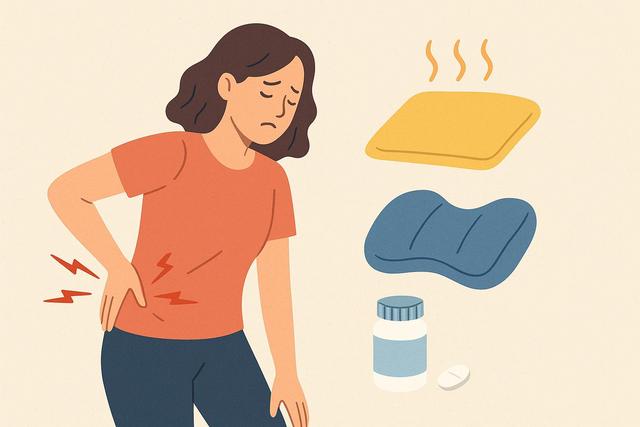
Chronic back pain is a persistent condition that affects daily life. Discover effective treatment options that bring real relief, improve health, and enhance your quality of life.
Best Treatment for Chronic Back Pain Relief
Understanding Chronic Back Pain
Chronic back pain is a debilitating condition lasting over three months, persisting beyond the usual recovery period, and often defying medical interventions. It can stem from various underlying issues such as disc degeneration, arthritis, or severe injuries. This type of pain significantly impacts quality of life, causing emotional and physical distress. Recognizing the nature and origin of your back pain is crucial in determining the best treatment strategy.
Common Causes
To devise an effective treatment plan, it's essential to understand the root causes of chronic back pain:
- Degenerative Disc Disease: Over time, spinal discs can wear down, leading to pain.
- Spinal Stenosis: A narrowing of the spinal column causing pressure on nerves.
- Scoliosis: An abnormal curvature of the spine.
Non-Invasive Treatment Options
Non-invasive therapies are often the first line of defense against chronic back pain, ideal for minimizing risk and maximizing relief without surgery.
Physical Therapy
Engaging in physical therapy can be a game-changer. Customized exercise regimens strengthen muscles, improve flexibility, and alleviate pain.
Real-world Example: Many patients participating in guided physical therapy report a pain reduction rate of up to 50%.
Pain Management Techniques
Various treatments fall under this umbrella, including:
- Medications: NSAIDs, muscle relaxants, and corticosteroids can reduce inflammation and manage pain.
- Heat and Cold Therapy: These can be beneficial for reducing acute pain and swelling.
Limitations
While effective, these treatments may only provide temporary relief and must be associated with a comprehensive long-term strategy.
Advanced Interventions
When basic therapies fail to ease pain, advanced interventions may be necessary.
Epidural Steroid Injections
These injections deliver steroids directly into the inflamed area. While results can vary, studies show significant pain relief for many patients.
Nerve Block Injections
By numbing specific nerves causing pain, these injections offer relief. However, results are temporary and may require multiple sessions.
Surgical Solutions
Surgery is typically a last resort but can be necessary when other treatments prove ineffective.
Spinal Fusion Surgery
This procedure involves joining two or more vertebrae, removing movement, and relieving pain caused by motion between them.
Case Study: According to data published by the National Institutes of Health, patients who undergo spinal fusion often experience enhanced quality of life.
Risks and Considerations
Surgery involves inherent risks such as infection, and not all patients experience relief. Discuss potential outcomes with a healthcare professional before proceeding.
Psychological and Alternative Approaches
Mental health and alternative treatments often play a crucial role in managing chronic back pain.
Cognitive Behavioral Therapy (CBT)
CBT can help patients develop effective pain-coping strategies, reducing distress and improving daily functioning.
Alternative Treatments
Many patients find relief through acupuncture and chiropractic care, which focus on enhancing body function and reducing discomfort through holistic approaches.
Common Misconceptions
Common misconceptions include skepticism of alternative therapies. Yet, research proves acupuncture's efficacy in pain reduction for chronic conditions.
Common Mistakes and Misconceptions
Relying Solely on Medication
Over-dependence on medication without other therapies can lead to addiction without addressing the underlying problem.
Ignoring Lifestyle Changes
Lifestyle modifications such as weight management and ergonomic adjustments are crucial in a comprehensive back pain management plan.
Conclusion and Practical Recommendations
Chronic back pain necessitates a multifaceted treatment approach tailored to individual needs, combining non-invasive, advanced, and sometimes surgical methods. Start with a proper diagnosis and consider integrating multiple strategies:
- Begin with non-invasive treatments like physical therapy.
- Explore advanced interventions if pain persists.
- Discuss surgical options if recommended by a professional.
- Incorporate alternative therapies such as CBT and acupuncture.
- Adopt lifestyle changes to support overall health.
Chronic back pain relief is achievable, but requires patience, professionalism, and personalization.

