
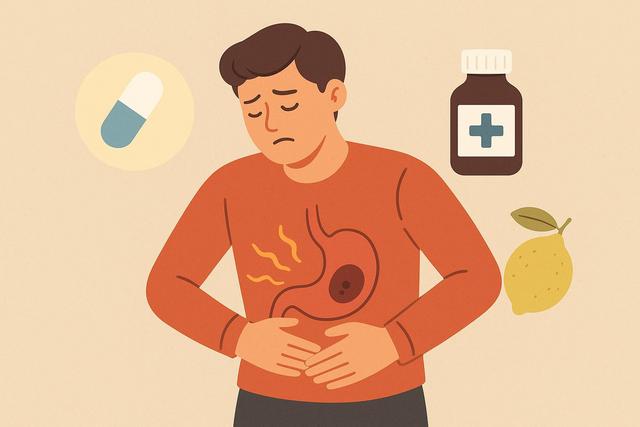
Stomach ulcers, also known as gastric ulcers, are open sores that develop on the inner lining of your stomach. They can cause significant discomfort and lead to more serious health issues if left untreated. This guide offers a comprehensive look at various treatments to relieve symptoms and promote healing.
Understanding Stomach Ulcers and Their Symptoms
Stomach ulcers occur when the protective mucus that lines the stomach wears away, leading to sore formation. This can be due to various factors such as infection with Helicobacter pylori bacteria, prolonged use of nonsteroidal anti-inflammatory drugs (NSAIDs), and excessive alcohol consumption.
Common Symptoms of Stomach Ulcers
The symptoms of stomach ulcers can be subtle or quite pronounced. Often, individuals experience burning stomach pain, bloating, or heartburn. In severe cases, there might be nausea, vomiting, or even weight loss. Recognizing these symptoms early can ensure prompt treatment and prevent complications.
Medical Treatments for Stomach Ulcers
Medical intervention is often necessary to effectively treat stomach ulcers and heal the mucosal lining. The approach depends on the underlying cause of the ulcer.
Proton Pump Inhibitors (PPIs)
PPIs reduce stomach acid production significantly, promoting ulcer healing. Common examples include omeprazole and esomeprazole. They are especially effective for ulcers caused by NSAID use.
H. pylori Eradication Therapy
For ulcers caused by H. pylori, a combination of antibiotics such as amoxicillin and clarithromycin, along with a PPI, is prescribed. This treatment, often known as triple therapy, is effective but requires adherence to a strict regimen.
Antacids and H2-Receptor Antagonists
Antacids provide quick symptomatic relief by neutralizing stomach acid. Meanwhile, H2-receptor antagonists like ranitidine or famotidine decrease acid production and are beneficial for mild ulcers.
Lifestyle Changes to Support Treatment
In addition to medical treatments, lifestyle modifications can significantly aid in symptom relief and ulcer prevention.
Dietary Adjustments
Avoiding spicy foods, alcohol, and caffeine can alleviate symptoms. Moreover, incorporating foods rich in flavonoids like berries and leafy greens may have protective effects against ulcers.
Stress Management
Chronic stress can exacerbate ulcer symptoms. Techniques such as meditation, yoga, and mindful breathing can reduce stress levels and improve overall well-being.
Smoking Cessation
Smoking has been linked to delayed ulcer healing and increased risk. Quitting smoking dramatically improves treatment outcomes and reduces the likelihood of recurrence.
Alternative Therapies and Natural Remedies
While alternative therapies should not replace medical treatment, they can complement it effectively.
Herbal Supplements
Licorice root and mastic gum have been traditionally used to promote gastric health. Some studies suggest they may reduce ulcer symptoms, though more research is needed.
Probiotics
Probiotics can bolster gut health and may inhibit H. pylori growth. Yogurt and fermented foods are excellent sources, but supplements are also available.
Common Mistakes and Misconceptions
Understanding what not to do is just as crucial as knowing what to do. Here are some mistakes to avoid:
- Ignoring symptoms: Dismissing symptoms can lead to severe complications such as bleeding.
- Self-medicating with NSAIDs: Continuing NSAID use without medical supervision can worsen ulcers.
- Over-relying on over-the-counter meds: While antacids can provide temporary relief, they don’t treat the underlying cause.
FAQs
Can stomach ulcers heal on their own?
- Some ulcers may improve without treatment, but this is rare and risky. Proper treatment ensures healing and prevents complications.
Is surgery ever needed for ulcers?
- Surgery is rare and only considered for complications like perforation or when other treatments fail.
How long does it take for an ulcer to heal?
- Healing typically occurs within 6-8 weeks with proper treatment, but this can vary based on severity and overall health.
Conclusion
Stomach ulcers require timely medical attention complemented by lifestyle changes to effectively manage and prevent recurrence. Early diagnosis ensures effective treatment, allowing a more speedy recovery. Individuals experiencing persistent symptoms should consult healthcare professionals for a tailored treatment plan. By adhering to prescribed treatments and making appropriate lifestyle adjustments, you can achieve long-term relief and improved digestive health.

