Best Treatments for Hair Loss in Men and Women
- 06/29/2026 05:11am
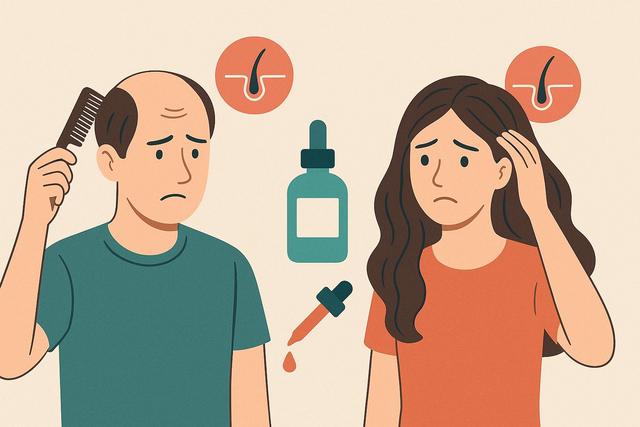
Hair loss is a widespread concern affecting both men and women, significantly impacting self-esteem and quality of life. With a plethora of treatments available, choosing the best approach can be daunting. This strategic guide provides a comprehensive overview of the most effective hair loss treatments, considering various factors to help you make an informed decision.
Understanding Hair Loss Causes
Hair loss, medically known as alopecia, can result from a multitude of factors, including genetics, hormonal changes, medical conditions, and lifestyle choices. In men, male pattern baldness (androgenetic alopecia) is the most common cause, while women often experience hair thinning due to hormonal imbalances or stress. Identifying the root cause is crucial before selecting a treatment.
Genetic Factors
Genetic predisposition plays a significant role in hair loss. A study by the National Institute of Health found that approximately 80% of hair loss cases in men and 50% in women are hereditary. Understanding your family history can help determine the likelihood of experiencing hair loss.
Hormonal Influences
Hormonal changes due to pregnancy, menopause, or thyroid issues can trigger hair loss in women. In men, an imbalance in testosterone levels often accelerates hair thinning and baldness.
Popular Hair Loss Treatments
Numerous treatments exist, each with distinct mechanisms and efficacy levels. Here, we explore popular and medically approved options.
Over-the-Counter Solutions
Minoxidil
Minoxidil, commonly available under the brand name Rogaine, is an FDA-approved topical treatment. It helps regrow hair by stimulating blood flow to hair follicles.
- Pros: Widely accessible, effective for various hair loss types.
- Cons: Needs sustained use, potential side effects like itchiness.
Topical Foams and Solutions
Over-the-counter topical foams and solutions may improve hair density by promoting scalp health. However, these typically offer only modest improvements and require consistent application.
Prescription Treatments
Finasteride
Finasteride, sold as Propecia, is an oral medication primarily used in men to reduce DHT levels, a hormone linked to male pattern baldness.
- Pros: Proven effectiveness in slowing hair loss.
- Cons: Potential sexual side effects, not suitable for women.
Advanced Medical Procedures
When topical and oral treatments are ineffective, advanced medical procedures might offer a viable alternative.
Hair Transplantation
Hair transplants involve relocating hair from donor areas to balding regions. Procedures like Follicular Unit Extraction (FUE) are less invasive and have shorter recovery times.
- Pros: Permanent solution, natural appearance.
- Cons: High cost, requires skilled practitioners.
Low-Level Laser Therapy (LLLT)
LLLT uses laser devices to stimulate hair follicles. It can be administered via in-clinic devices or home-use combs and caps.
- Pros: Non-invasive, suitable for both genders.
- Cons: Varied effectiveness, requires long-term commitment.
Supplements and Natural Remedies
Natural remedies and supplements like biotin, iron, zinc, and vitamin D have been purported to improve hair health. While some anecdotal evidence supports their use, clinical evidence remains limited. Always consult healthcare providers before starting supplements.
Common Mistakes and Misconceptions
- Instant Results: Many expect rapid hair regrowth, failing to realize that most treatments require months to show effectiveness.
- One-Size-Fits-All: Treatments must be tailored to individual needs, considering hair loss causes and severity.
FAQs about Hair Loss Treatment
Can stress cause hair loss?
Yes, stress can trigger telogen effluvium, causing temporary hair shedding.Is hair loss reversible?
Certain types, like telogen effluvium, are reversible; however, genetic hair loss often requires ongoing treatment.Are natural remedies effective?
While some report benefits, natural remedies lack robust scientific backing compared to medical treatments.
Conclusion and Action Steps
To effectively address hair loss:
- Identify the Cause: Consult with healthcare professionals to determine the underlying factors.
- Evaluate Treatment Options: Consider effectiveness, side effects, and costs.
- Commit to a Plan: Consistency is key, whether using medical treatments or supplements.
- Monitor Progress: Regularly assess the treatment's impact and adjust accordingly.
In conclusion, while multiple treatments are available, identifying personalized solutions based on individual needs is essential for successful hair loss management. With informed choices and professional guidance, it's possible to find the best treatment path forward.

