
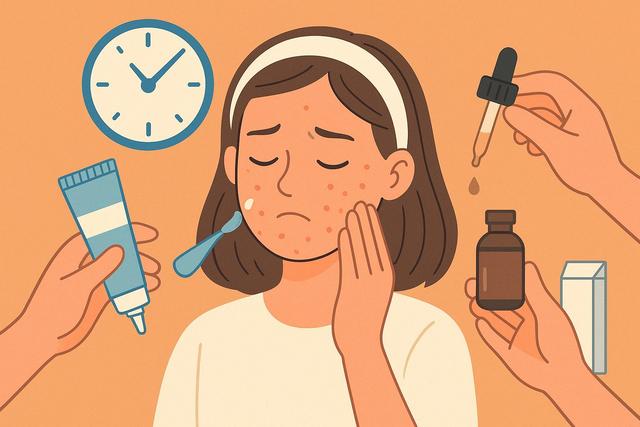
Struggling with acne can be overwhelming and frustrating. Whether it's the occasional breakout or persistent pimples, finding a fast and effective treatment is crucial for improving skin health. This article will explore strategic solutions that not only promise quick results but also sustain long-term skin clarity.
Understanding Acne and Its Causes
Acne is a common skin condition resulting from clogged hair follicles due to oil, dead skin cells, or bacteria. Understanding the root causes is essential for effective treatment.
Hormonal Changes
Hormonal fluctuations during puberty, menstruation, or stress can lead to increased oil production, making acne more prevalent. It's important to recognize these changes to tailor treatment accordingly.
Diet and Lifestyle
Dietary habits can exacerbate acne. For instance, high glycemic foods and dairy are often linked to breakouts. By modifying diet—reducing sugar intake and incorporating whole grains—acne severity can potentially decrease.
Quick Action Solutions
Over-The-Counter Products
Effective topical solutions include benzoyl peroxide and salicylic acid, which reduce inflammation and unclog pores. Using these as directed can lead to noticeable improvements within days.
Product comparisons:
| Product Type | Main Ingredient | Typical Price Range |
|---|---|---|
| Cleanser | Salicylic Acid | $10-$25 |
| Spot Treatment | Benzoyl Peroxide | $5-$20 |
Prescription Treatments
For stubborn acne, dermatologists may prescribe stronger treatments such as retinoids or antibiotics. Dermatological consultation ensures the chosen treatment aligns with skin type and condition severity.
Natural Remedies
Tea tree oil and green tea extract have antibacterial properties that can soothe inflamed skin and reduce acne lesions. Implementing these into daily skincare routines may provide gentler alternatives to chemical treatments.
Long-Term Acne Management
To prevent recurrence, establishing a consistent skincare regimen is vital.
Cleansing Routine
Wash your face twice daily with a gentle cleanser to remove excess oil and prevent pore blockage. Keeping tools like brushes clean also contributes to maintaining skin hygiene.
Moisturizing and Sun Protection
Non-comedogenic moisturizers keep skin hydrated without clogging pores. Daily sunscreen application prevents acne scars and pigmentation.
Common Mistakes and Misconceptions
Overuse of Products
Many believe using more product leads to faster results. However, overuse can cause skin irritation and exacerbate acne. It is crucial to follow product instructions carefully.
Ignoring Skin Type
Not all acne treatments suit every skin type. Tailoring solutions based on whether one has oily, dry, or combination skin maximizes efficacy and minimizes risk.
When to Seek Professional Help
Persisting or severe acne warrants a dermatologist's intervention. Issues like cystic acne often require targeted treatments such as isotretinoin, which should be monitored by medical professionals.
Frequently Asked Questions
What lifestyle changes can help manage acne?
Adopting a balanced diet, staying hydrated, and reducing stress through exercise can significantly impact acne management.
Are there specific foods to avoid?
While not conclusive, reducing dairy and high glycemic foods like sugar and white bread may help in alleviating acne symptoms.
How long do treatments typically take to show results?
Results can vary; OTC products may show improvements in a few days, while prescription medications might take several weeks.
Conclusion: Achieving Clear Skin
Effectively treating acne involves understanding its causes, adopting quick solutions, and adhering to long-term skincare routines. Recognizing common pitfalls and consulting professionals when necessary enhances treatment success. Implement integrated strategies today to achieve clearer skin faster. Maintaining consistency and patience will yield the best results over time.

