Safely Treat Minor Burns at Home: A Comprehensive Guide
- 08/07/2026 05:11am
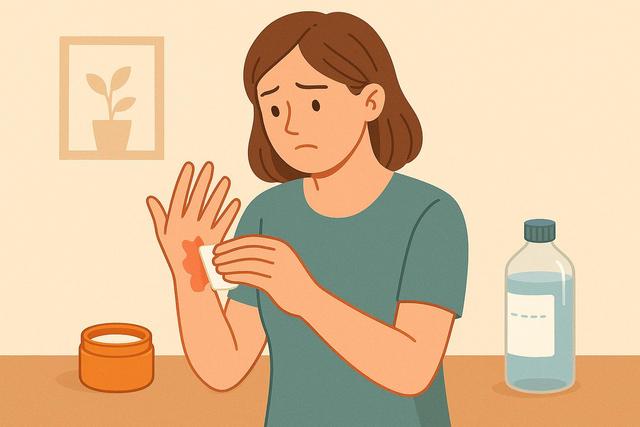
Experiencing a minor burn at home is a common mishap. While it's usually not severe, timely and proper treatment is crucial to ensure swift healing and reduce discomfort. This guide provides you with actionable insights on how to conduct safe and effective home care for minor burns.
Understanding Minor Burns
In order to treat minor burns effectively, it's essential to understand what constitutes a minor burn. Typically, minor burns, also known as first-degree burns, affect only the top layer of skin. They can be caused by short exposure to heat sources, such as hot liquids, steam, or brief contact with hot objects.
Characteristics of Minor Burns
- Redness and minor inflammation.
- Pain in the affected area.
- Affected skin may look dry.
Although these burns are not life-threatening, incorrect treatment may lead to complications. Therefore, understanding their nature allows for a more targeted care approach.
Immediate Steps to Take
First and foremost, act swiftly to alleviate the symptoms and prevent further skin damage. Here’s what you should do:
- Cool the Burn: Rinse the burn with cool (not cold) water for 10 to 20 minutes. This step helps lower skin temperature and halts further injury.
- Remove Constrictions: Gently take off jewelry or tight clothing from the affected area, as swelling may occur.
- Avoid Ice: Direct application of ice may worsen the damage and therefore should be avoided.
- Cover with a Clean Cloth: Use a sterile, non-fluffy cloth to cover the burn lightly.
At-Home Treatment Methods
Once you've stabilized the situation, consider long-term treatment options to manage and heal the burn effectively.
Over-the-Counter Ointments
Options like aloe vera gels and antibiotic creams (e.g., Neosporin) help keep the wound moist and ward off infections. Ensure the product you're using is specifically indicated for burns.
Natural Remedies
- Aloe Vera: Widely known for its cooling and anti-inflammatory properties.
- Honey: Recognized for its antibacterial nature, though be wary of allergies.
These help soothe pain and promote healing but should be approached with caution, especially on sensitive skin.
Pain Management
For discomfort, analgesics such as ibuprofen or acetaminophen can alleviate pain and reduce inflammation. Always use as directed by healthcare guidance.
Mistakes to Avoid
Often, simple mistakes can exacerbate a minor burn. Here's what to avoid:
- Breaking Blisters: Doing so increases infection risk.
- Applying Oils and Butters: These can trap heat rather than release it, worsening the burn.
- Ignoring the Burn: Assume care even for mild-looking burns as further damage may develop.
When to Seek Professional Help
Even minor burns can occasionally warrant a healthcare provider's attention. Seek advice if:
- The burn covers a large area, particularly if located on the face, joints, or feet.
- There’s increased swelling, redness, or pain after several days.
- Signs of infection, such as pus or red streaks, are visible.
FAQs about Minor Burn Treatment
How can I prevent minor burns at home?
Implement safety measures such as keeping hot objects out of reach of children, using oven mitts, and setting water heater temperatures at safe levels.
Can I use ice on a minor burn?
Avoid ice as it may cause further skin damage. Cold, clean water is preferable.
Is aloe vera safe for all skin types?
Generally considered safe, perform a patch test to rule out any adverse skin reaction.
Conclusion
Treating minor burns at home involves swift, informed actions that can be accomplished with readily available materials. Begin treatment by cooling the burn immediately, using appropriate ointments, and managing pain effectively. Should you encounter complications, seek professional medical advice promptly. By adhering to correct procedures, you can ensure a safe and effective recovery from minor burns. Always remember that preparation and adherence to safety measures can mitigate the occurrence of such injuries.

