Gene Therapy: Revolutionizing Modern Medical Treatments
- 10/31/2025 07:11am
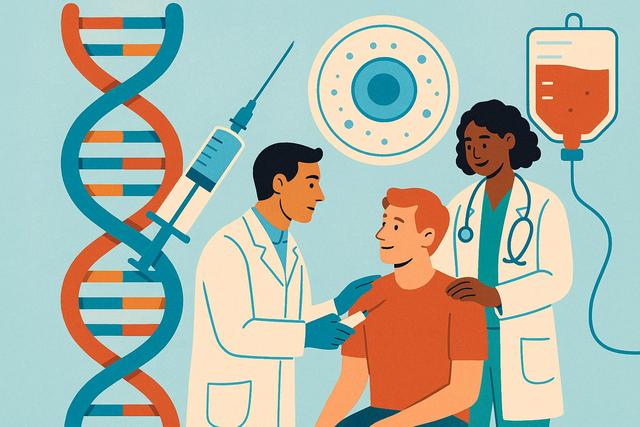
Gene therapy is an innovative medical treatment that is transforming the way we approach genetic disorders. This advanced therapeutic intervention is opening new avenues for personalized healthcare by addressing the root causes of diseases at the genetic level. As we advance towards 2025, the landscape of gene therapy continues to evolve, offering promising solutions for a range of genetic conditions. This article delves into the mechanisms of gene therapy, its applications in modern medicine, and its potential for future healthcare innovations.
Understanding Gene Therapy
Gene therapy is a technique that modifies genes to correct genetic defects and prevent or cure diseases. Unlike traditional treatments, which focus on managing symptoms, gene therapy aims to address the underlying genetic causes of diseases. This approach can involve several strategies, including replacing mutated genes, inactivating genes that function improperly, or introducing new genes to help fight diseases.
Mechanisms of Gene Therapy
Gene Editing: Technologies like CRISPR/Cas9 have revolutionized gene editing by allowing precise modifications to the DNA sequence. This method can correct mutations that are responsible for genetic disorders such as cystic fibrosis.
Gene Addition: Adding a healthy copy of a gene to complement a defective gene can restore a cell's normal function. This technique is used in conditions like severe combined immunodeficiency (SCID).
Gene Silencing: By using RNA interference (RNAi), gene therapy can silence harmful genes, providing a potential treatment for conditions such as Huntington's disease and certain cancers.
Applications in Modern Medicine
Genetic Disorders
Gene therapy holds immense promise for treating various genetic disorders. In the case of spinal muscular atrophy (SMA), a condition caused by missing or mutated SMN1 genes, therapies like Zolgensma have shown significant efficacy in restoring motor function.
Cancer Treatment
Innovative approaches such as CAR-T cell therapy exemplify how gene therapy is revolutionizing cancer treatment. By modifying a patient's T cells to better recognize and attack cancer cells, treatments like YESCARTA are providing new hope for patients with certain types of lymphoma.
Personalized Healthcare
Gene therapy paves the way for personalized healthcare, allowing treatments tailored to the genetic makeup of individuals. This personalization increases the efficacy of interventions and reduces the risk of adverse effects.
Ethical and Social Considerations
The application of gene therapy raises ethical questions, including considerations of accessibility, the potential for genetic discrimination, and the implications of genetic modifications on future generations. It is crucial to develop policies that ensure equitable access and address these concerns ethically.
The Future of Gene Therapy
As we look to 2025, gene therapy is poised to become integral to treating a broad spectrum of diseases. Advancements in technology, reduced costs, and increased accessibility will likely drive the widespread adoption of these therapies. Moreover, ongoing research and clinical trials are essential in uncovering new applications and refining existing therapies.
Actionable Insights
- Stay informed about advancements in gene therapy and participate in clinical trials to explore potential treatment options.
- Consult genetic counselors to understand the genetic basis of diseases and the applicability of gene therapy.
- Advocate for equitable access to gene therapies to ensure that these life-altering treatments are available to all who need them.
Conclusion
Gene therapy represents a pivotal shift in the medical landscape, offering unprecedented potential to transform healthcare by targeting diseases at their genetic core. Through continuous innovation and ethical vigilance, gene therapy stands as a beacon of hope for improving patient outcomes and paving the way for an era of personalized medicine.
For those interested in diving deeper into the intricacies of gene therapy, resources such as the National Institutes of Health (NIH) provide comprehensive information and updates on ongoing research and clinical trials.

