Effective Strategies to Address Cold and Flu Symptoms Quickly
- 08/05/2026 05:11am
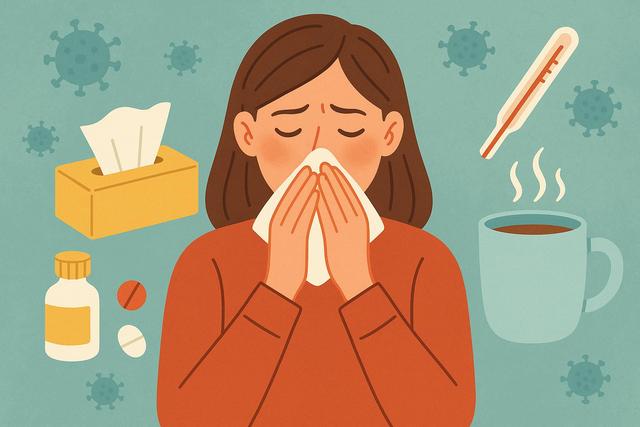
Cold and flu outbreaks can be overwhelming, affecting daily life and productivity. Understanding how to treat these symptoms quickly and effectively can provide much-needed relief and ensure a quicker recovery. In this guide, we'll explore various strategies, remedies, and tips designed to help you minimize discomfort and speed up recovery from cold and flu symptoms.
Understanding the Difference: Cold vs. Flu
Before diving into treatments, it's crucial to distinguish between a common cold and a flu. Both are caused by different viruses and have distinct symptoms and severity levels.
Cold Symptoms: Typically milder, a cold often includes a runny nose, sneezing, and a sore throat. The symptoms develop gradually and usually last for about a week.
Flu Symptoms: More severe, including a high fever, body aches, fatigue, and sometimes respiratory issues. The flu tends to appear more suddenly and can lead to serious complications.
Being aware of these differences ensures you choose the most effective treatment strategy for your specific symptoms.
Rapid Remedies for Immediate Relief
Finding fast relief is often a priority once cold or flu symptoms appear. Here are some strategies to consider:
1. Hydration: Staying hydrated is crucial as it helps thin mucus and prevents dehydration. Consider drinks like water, herbal teas, and clear broths for best results.
2. Over-the-Counter Medications:
- Antihistamines for runny nose and sneezing.
- Decongestants to relieve stuffiness.
- Pain Relievers like ibuprofen or acetaminophen for aches and fever.
3. Rest: Giving your body ample rest supports your immune system's efforts in combating the virus.
Natural Remedies and Alternative Approaches
While conventional medications are common, numerous natural remedies can also offer relief and boost your recovery.
Steam Inhalation: Ideal for nasal congestion, inhaling steam can loosen mucus and soothe irritated airways.
Use of Essential Oils: Oils like eucalyptus or menthol can be added to steam inhalations for enhanced effectiveness.
Honey and Lemon: A time-tested remedy for soothing sore throats. Mix both in warm water for an effective homemade solution.
Nutritional Support to Boost Immunity
Good nutrition plays a vital role in recovery. Ensure you consume foods rich in vitamins, minerals, and antioxidants.
- Vitamin C: Oranges, strawberries, and bell peppers.
- Zinc: Found in meats and fortified cereals can reduce the duration of cold symptoms.
- Probiotic-Rich Foods: Such as yogurt and kefir to strengthen the immune system.
Maintaining a balanced diet strengthens your body's ability to fight off infections.
Common Mistakes to Avoid During Recovery
While treating cold and flu, some standard errors can impair recovery:
- Overmedication: Avoid taking multiple medications that serve the same purpose.
- Skipping Meals: Even if your appetite is low, try to eat to provide your body with necessary nutrients.
- Ignoring Rest: Your body needs energy to fight off the virus. Prioritize rest over chores or work.
When to Seek Professional Medical Advice
Knowing when to consult a healthcare provider is crucial. Seek medical attention if:
- Symptoms worsen or persist for longer than ten days.
- You have difficulty breathing or chest pain.
- High fever persists beyond 3 days despite treatment.
Addressing these red flags promptly helps prevent further complications.
FAQs About Cold and Flu Treatments
1. Can a flu shot help in reducing symptoms?
No, the flu shot is preventative and won't treat symptoms but can reduce the chances of contracting the flu.
2. How long should I stay home if I have the flu?
Generally, staying home for at least 24 hours after the fever subsides without medication is recommended.
3. Are antibiotics effective against cold and flu?
No, antibiotics target bacteria, not viruses. Thus, they are ineffective against cold or flu.
Conclusion
Effectively addressing cold and flu symptoms involves a mix of proper identification, immediate remedies, and supporting your body with the right nutrition and rest. Avoid common pitfalls such as unnecessary medications and ignoring rest as you recover. By staying informed about when to seek professional advice, you can ensure that recovery is not only swift but also safe and effective. Implementing these strategic approaches will help mitigate symptoms and return you to health more quickly.

