How to Treat Acid Reflux Naturally at Home
- 08/04/2026 05:11am
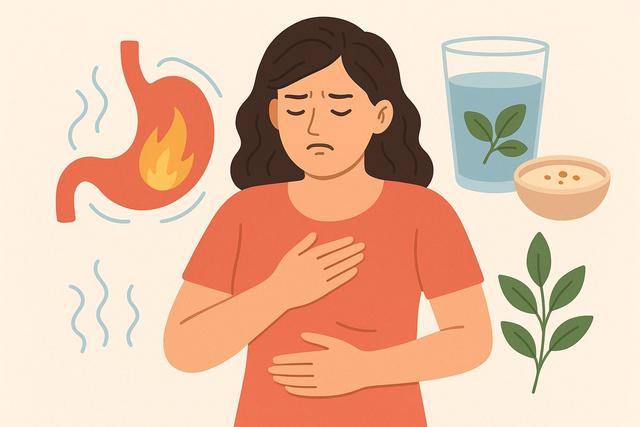
Acid reflux is a common digestive disorder that affects millions globally. Although over-the-counter medications are available, many individuals seek natural remedies to alleviate symptoms without the side effects of pharmaceuticals. This guide explores effective, natural methods for managing and treating acid reflux right from the comfort of your home.
Understanding Acid Reflux and Its Causes
Acid reflux occurs when stomach acid flows back into the esophagus, leading to irritation. This condition, often resulting in heartburn, manifests due to various reasons such as diet, lifestyle, or anatomical variations like a hiatal hernia.
Lifestyle and Dietary Triggers
One primary cause of acid reflux is dietary habits. Foods high in fat, caffeine, alcohol, and spicy foods often exacerbate symptoms. Obesity and smoking are other lifestyle factors that contribute significantly to acid reflux.
Dietary Changes to Alleviate Acid Reflux
Foods to Include
Consuming alkaline foods can help neutralize stomach acid and relieve symptoms. Examples of such foods include bananas, melons, oatmeal, and leafy greens. These foods are not only low in acid but also rich in nutrients essential for overall health.
Foods to Avoid
Certain foods should be minimized or avoided, including:
- Fried or fatty foods
- Spicy foods
- Citrus fruits
- Tomato-based products
Eliminating or reducing these triggers can significantly decrease the frequency of acid reflux episodes.
Natural Remedies to Treat Acid Reflux
Herbal and Plant-Based Solutions
- Ginger: Known for its anti-inflammatory properties, ginger can reduce inflammation and soothe the stomach. Ginger tea or supplements are effective, but fresh ginger is also a viable option.
- Aloe Vera Juice: Drinking aloe vera juice can calm the esophagus and stomach lining, offering relief from irritation.
Lifestyle Modifications
Implementing specific lifestyle changes can also help manage acid reflux naturally:
- Elevate the Head of the Bed: Sleeping with the head elevated 6-8 inches can prevent acid from traveling up the esophagus.
- Eat Smaller Meals: Frequent, smaller meals distribute the stomach’s workload, reducing stress and potential reflux.
Mistakes and Misconceptions in Managing Acid Reflux
Common Mistakes
- Relying Solely on Medications: While medications relieve symptoms, they don’t address the underlying causes.
- Ignoring Triggers: Identifying and avoiding personal triggers is critical.
Misconceptions
A widespread misconception is that drinking milk or taking antacids before bed will prevent nighttime reflux. While these may provide temporary relief, they can worsen symptoms for some individuals.
FAQs About Natural Treatments for Acid Reflux
What are the symptoms of acid reflux?
The primary symptoms include heartburn, regurgitation, and an acidic taste in the throat.
Can lifestyle changes alone manage acid reflux?
In many cases, yes. Adopting healthy dietary and lifestyle practices often controls symptoms effectively.
Are there any risks to using natural remedies?
Most natural remedies are safe, but it’s crucial to consult a healthcare provider, especially when combining them with prescribed medications.
Conclusion and Implementation Steps
To effectively treat acid reflux at home, adopting sustainable lifestyle changes is key. Begin by adjusting your diet, focusing on alkaline foods while avoiding known triggers. Implement routine modifications like elevating the head of your bed and opting for smaller meals. Incorporating herbal remedies like ginger tea can also offer additional relief. Remember, while natural treatments can be effective, consulting with a healthcare professional ensures a comprehensive approach to your health needs. Regular assessment and modifications will pave the way for lasting relief from acid reflux symptoms.

