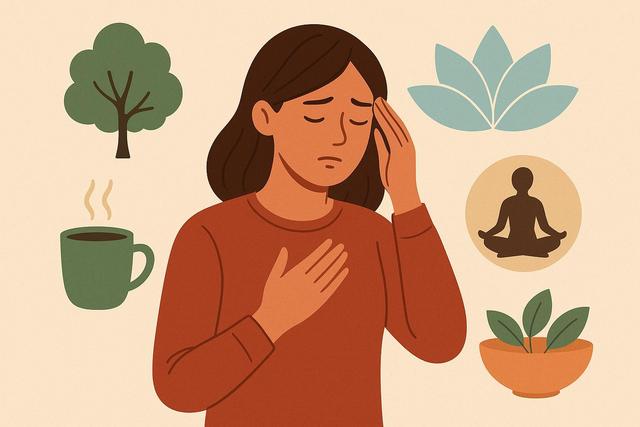
Anxiety affects millions globally, often disrupting daily life. While medication is a common remedy, many seek non-pharmaceutical methods to cope with anxiety. This guide explores diverse strategies that foster mental health without medication, promoting a more balanced, natural approach.
Understanding Anxiety and Its Impact
Anxiety is a normal response to stress, but chronic anxiety can significantly impact daily functioning. It can manifest as persistent worry, racing thoughts, or physical symptoms such as rapid heartbeat. The economic burden of anxiety disorders amounts to billions yearly, highlighting the importance of effective management strategies.
Real-world scenario: Sarah, a marketing executive, faced severe anxiety impacting her work and personal life. She sought non-medication methods, which improved her mental health substantially.
Exercise: A Natural Anxiety Reliever
Physical activity releases endorphins, the brain's natural painkillers, which help alleviate anxiety. Studies show that regular exercise can reduce anxiety symptoms significantly by enhancing mood stability and reducing stress.
Examples include yoga, which promotes mindfulness and relaxation, and aerobic exercises like running, which boost overall mood. Aim for at least 30 minutes of moderate activity most days.
Key Recommendations
- Schedule daily exercise sessions.
- Combine different forms of workouts for variety and full-body benefits.
Mindfulness and Meditation Practices
Mindfulness involves staying present and fully engaging with the current moment, helping reduce anxiety's hold on the mind. Meditation can significantly reduce cortisol levels, which is linked to stress.
Popular resources such as the Headspace app offer guided meditations tailored to anxiety. Try to meditate for at least 10 minutes daily for a calming effect.
Mindfulness Techniques
- Practice deep breathing exercises.
- Engage in mindful activities, like walking or eating, by focusing entirely on the experience.
Nutrition and Lifestyle Adjustments
Diet plays a crucial role in mental health. Nutrient-rich foods, such as omega-3 fatty acids, can reduce anxiety. Avoid caffeine and sugar, which may exacerbate anxiety symptoms.
Consider integrating a plant-based diet, rich in fruits and vegetables, which supports overall wellness. Reliable supplements like magnesium and Vitamin B complex are also beneficial when used moderately.
Lifestyle Changes for Better Mental Health
- Establish a regular sleep schedule to combat fatigue-related anxiety.
- Create a balanced diet plan that includes natural anxiety-reducing foods.
Building a Support System
Social interactions can mitigate feelings of isolation associated with anxiety. Leveraging community support, whether through friends, family, or support groups, can provide comfort and perspective.
Join local support groups or online forums such as Anxiety and Depression Association of America to connect with individuals facing similar challenges.
Interaction Tips
- Share your experiences with trusted individuals.
- Stay connected with friends by setting regular meeting dates.
Limits and Risks of Natural Anxiety Management
While natural methods are beneficial, they may not suffice for severe anxiety cases requiring professional intervention. Always consult healthcare providers to tailor approaches suitable for personal health conditions to avoid exacerbating symptoms.
FAQs
1. Can exercise alone manage anxiety?
Exercise is a powerful tool but usually more effective when combined with other strategies.
2. How soon can I expect results from mindfulness?
Consistent practice can bring noticeable changes within weeks, though results vary per individual.
3. What dietary changes are most effective against anxiety?
Emphasize whole foods, reduce processed foods, and consider omega-3 rich foods for best results.
Conclusion
Managing anxiety without medication involves a multifaceted approach integrating exercise, mindfulness, dietary changes, and support systems. Begin by incorporating these strategies into daily routines gradually. Evaluate the effectiveness, and adjust methods as needed to achieve sustainable mental health improvement. Seek professional advice when necessary to ensure a safe journey toward anxiety management.

