The Burnout Signals Everyone Ignores
- 01/14/2026 05:11am
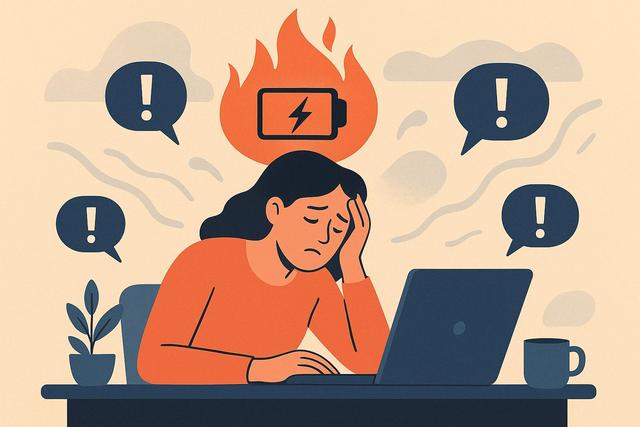
Burnout has become a widespread issue in today's fast-paced world. With increasing work pressures, social obligations, and the constant barrage of information, many people find themselves on the brink of exhaustion without even realizing it. Recognizing the early signs of burnout is crucial to preventing it from escalating into a serious health problem. This article delves into the burnout signals everyone tends to ignore, offering actionable insights on how to address them before it becomes an illness.
Understanding Burnout: A Growing Concern
Burnout is more than just feeling tired after a long day. It is a state of chronic physical and emotional exhaustion that can lead to severe consequences if not addressed. The World Health Organization (WHO) classifies it as an occupational phenomenon, acknowledging its impact on workplace productivity and individual well-being.
Common Ignored Burnout Signals
Identifying the often-overlooked signals of burnout is the first step towards recovery. Here are the key signs to watch for:
1. Physical Exhaustion
A constant sense of fatigue, no matter how much rest you get, is a telltale sign of burnout. This includes feeling tired in the mornings and having low energy throughout the day.
2. Emotional Detachment
Individuals experiencing burnout often feel emotionally blunted or detached from their usual activities and relationships. This detachment can escalate to feelings of cynicism or apathy.
3. Decreased Performance
Burnout leads to a significant decline in job performance and productivity. Tasks that were previously manageable become overwhelming, and mistakes become more frequent.
4. Cognitive Impairment
Memory lapses, difficulty concentrating, and impaired decision-making abilities are cognitive signals of burnout. These symptoms can hinder both professional and personal activities.
5. Increased Irritability
Mood changes such as increased irritability, frustration, or feelings of inadequacy can surface unexpectedly, impacting relationships and personal satisfaction.
The Cycle of Stress and Burnout
To understand the progression from stress to burnout, it is important to recognize the stages involved. Mild stress, if ignored, can develop into chronic stress, eventually manifesting as burnout. Psychology Today provides a detailed analysis of the burnout syndrome, emphasizing the importance of early intervention.
Preventing and Recovering from Burnout
While recognizing burnout signs is crucial, implementing effective strategies for prevention and recovery is equally important.
1. Set Boundaries
One of the most effective ways to combat burnout is by setting clear work and personal boundaries. Establishing limits helps balance work demands and personal life.
2. Prioritize Self-care
Engaging in regular self-care activities, such as exercise, meditation, and hobbies, is essential for maintaining mental and physical health.
3. Seek Professional Help
If burnout symptoms persist, seeking help from mental health professionals, like therapists or counselors, can provide valuable support and guidance.
4. Create a Support System
Building a network of supportive friends, family, or colleagues can help alleviate stress and provide emotional support during challenging times.
Conclusion: Taking Control of Your Well-being
Burnout is a serious condition that can profoundly impact your quality of life. By paying attention to the early signals and taking preventive measures, you can stop burnout from developing into a debilitating illness. Mind Tools provides additional resources for managing stress and enhancing well-being. Remember, the key to overcoming burnout is awareness and proactive care.
Actionable Takeaways:
- Identify and act on early burnout signals like fatigue and emotional detachment.
- Use strategies like setting boundaries and practicing self-care to manage stress.
- Seek professional help if symptoms persist to prevent further deterioration.

