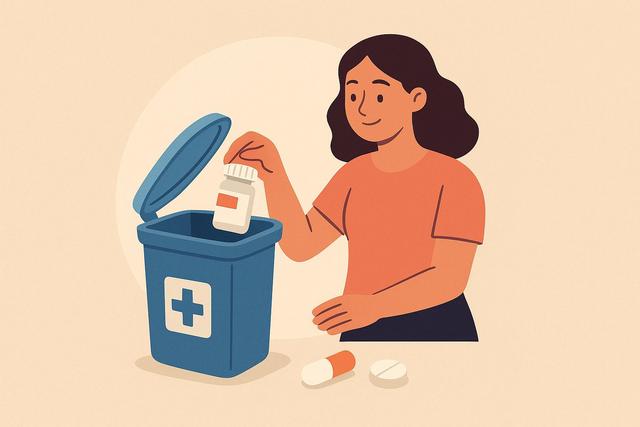
Proper disposal of unused medication is crucial to prevent potential health hazards. This guide outlines safe methods for disposing medications, ensuring both safety and environmental responsibility.
Understanding the Importance of Proper Medication Disposal
Proper medication disposal is critical for maintaining safety and environmental health. When medications are not disposed of correctly, they can end up in the wrong hands or contaminate the environment.
Health Risks of Improper Disposal
Discarded medications can be misused, leading to unintentional overdoses or poisoning. This is particularly concerning with prescription opioids and other controlled substances. The U.S. Department of Health and Human Services reports that a majority of abused prescription drugs are obtained from family and friends, often from the home medicine cabinet.
Environmental Impact
Medications flushed down the toilet or thrown in the trash can seep into water systems, adversely affecting aquatic life. For instance, studies have shown that trace pharmaceuticals can disrupt the reproductive patterns of fish.
Safe Medication Disposal Methods
There are several methods for safe medication disposal, each suited to different circumstances. Here's a breakdown of the most recommended options.
Take-Back Programs
Participate in drug take-back programs, which are the most efficient way of disposing of unwanted medicines. These programs are often managed by local law enforcement agencies, pharmacies, or waste management authorities.
- Advantages:
- Environmentally friendly and secure
- Convenient and often free of charge
- Known Implementers: National Prescription Drug Take Back Day, organized by the DEA, is an example of a widespread initiative.
Disposal in Household Trash
When take-back programs are unavailable, disposing of medications in household trash is an alternative, albeit with precautions:
- Mix medications (do not crush tablets or capsules) with an unpalatable substance like dirt, cat litter, or used coffee grounds.
- Place the mixture in a container such as a sealed plastic bag to prevent leakage.
- Dispose of the container in your household trash.
Flushing Certain Medications
Certain high-risk medications come with specific instructions to flush to prevent danger if accidentally ingested. Always refer to the FDA's list of medicines recommended for disposal by flushing.
Misconceptions and Risks
Misconceptions About Flushing
Many believe all medications can safely be flushed; however, this is false. Most pharmaceuticals should not be flushed as they contribute to water pollution. Follow FDA guidelines precisely.
Risks of Sharing Medication
It's a common misconception that sharing unused medications, even with someone who has the same prescription, is safe. This practice is illegal and dangerous—it can result in adverse reactions and incorrect dosing.
Real-World Examples of Successful Disposal Programs
Several cities have implemented effective drug disposal programs reducing environmental impact and accidental poisoning incidents.
- Seattle, WA: The city has several permanent drop-off locations, contributing significantly to the safe disposal of prescription drugs.
- San Francisco, CA: San Francisco's extensive pharmacist-led take-back program is considered a model for public-private partnerships.
Practical Steps for Ensuring Safe Disposal
- Inventory Check: Regularly check your medications for expiry dates and identify those that are no longer needed.
- Follow Instructions: Always refer to specific disposal instructions that come with the medication.
- Participate in Programs: Engage with community take-back programs or national initiatives.
FAQs
Q1: Can I reach out to local pharmacies for medication disposal information?
Yes, many pharmacies offer information and services related to medication disposal. It's advisable to contact your local pharmacy.
Q2: What should I do with liquid medications?
Mix liquid medications with an absorbent material like kitty litter before disposing of them in the trash to prevent spills.
Q3: Are there apps or websites that can help locate disposal sites?
Yes, websites like the Drug Enforcement Administration (DEA) and resources provided by the FDA have locator tools for disposal sites.
Conclusion
The safe disposal of unused medication is essential for health, safety, and environmental preservation. Engage with available resources, participate in take-back programs, and follow approved methods to ensure medications do not pose a threat outside of their intended use. By following these guidelines, you contribute to a safer and more sustainable community.

