
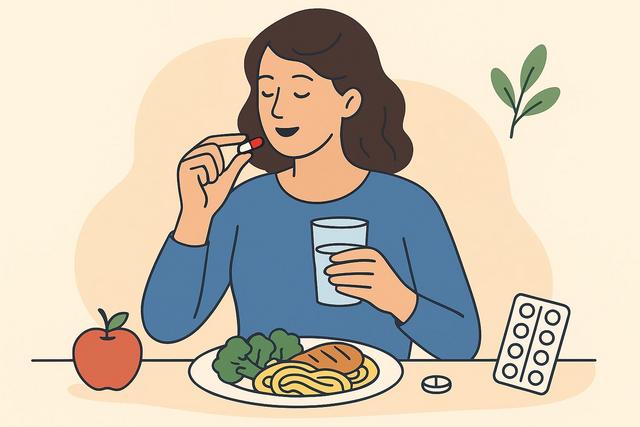
Taking medication with food can be a critical factor in the medicine’s effectiveness and your health. This guide provides a comprehensive approach to navigating this essential aspect of healthcare, ensuring you’re informed and safe.
Understanding the Importance of Food-Medication Interactions
Food and drink interactions can affect how drugs are absorbed by your body. For some medications, taking them with food can enhance their efficacy by improving absorption. Conversely, food can impede the effectiveness of other medications, which might need to be taken on an empty stomach for optimal absorption.
Examples of Food-Medication Interactions
Certain antibiotics, such as penicillin, are best taken on an empty stomach, while others, like augmentin, may cause gastrointestinal issues if not taken with food.
- Thyroid medications and certain osteoporosis drugs should not be taken with calcium-rich foods that can interfere with absorption.
- Drugs like aspirin and ibuprofen are better tolerated with food to prevent stomach ulceration.
Guidelines for Safe Medication Management with Food
Ensuring the safety and effectiveness of your medication involves understanding and adhering to certain guidelines.
Consult Your Healthcare Provider
Always confirm with your doctor or pharmacist whether to take medication with or without food. They provide personalized advice based on your unique health needs.
Check the Prescription Label and Instructions
The medication label often contains crucial information about interactions with food. Read these details carefully to avoid potential risks.
Be Consistent
Consistency in how you take your medication regarding meals can help ensure its effectiveness. If a medication is supposed to be taken with food, try to take it at the same time every day during a meal for best results.
Real-world Scenarios of Taking Medication with Food
Many people struggle with deciding when to take their medication. Here's a practical example:
| Medication | Best With | Example Meal |
|---|---|---|
| Ibuprofen | With Food | Breakfast with eggs and whole-grain toast |
| Levothyroxine | On Empty Stomach | 30 mins before breakfast |
| Iron Supplements | With Vitamin C | With a fresh orange juice |
Common Misconceptions About Medication with Food
Misunderstandings about food-medication interactions can lead to ineffective treatment or harmful side effects.
- Myth: All medications should be taken with a meal to avoid irritation. Truth: Not all medications benefit from being taken with food.
- Myth: Drinking milk with medication enhances absorption. Truth: Dairy can interfere with certain antibiotics like tetracyclines.
Risks and Mistakes to Avoid
Common errors in medication management can lead to unintended consequences.
Ignoring Dietary Restrictions
If a medication requires you to avoid certain foods, failure to comply can be dangerous. For instance, grapefruit can intensify the effects of blood pressure and cholesterol medications.
Overlooked Interactions
Vitamins and supplements can also interact with medications. Consult a healthcare professional to understand these interactions better.
Practical Tips for Medication Safety
- Use a pill organizer to manage timing and intake.
- Set alarms as reminders for taking medication either with or without food.
- Maintain a medication diary to note any adverse reactions or improvements.
FAQs About Taking Medication with Food
- Can I take all medications with food? Not all medications are suitable for consumption with food. Check specific drug instructions.
- What kinds of side effects occur if taken incorrectly? Side effects may include stomach upset or reduced efficacy of the drug.
- How to handle forgotten doses? Consult your healthcare provider for advice specific to the medication.
Conclusion: Embrace Safe Medication Practices
In summary, taking medications safely with food is crucial for their effectiveness and your health. Consult healthcare professionals to customize a safe regimen according to your lifestyle and dietary habits. Ensure vigilance over prescription instructions and make a habit of checking for food interactions regularly.

