
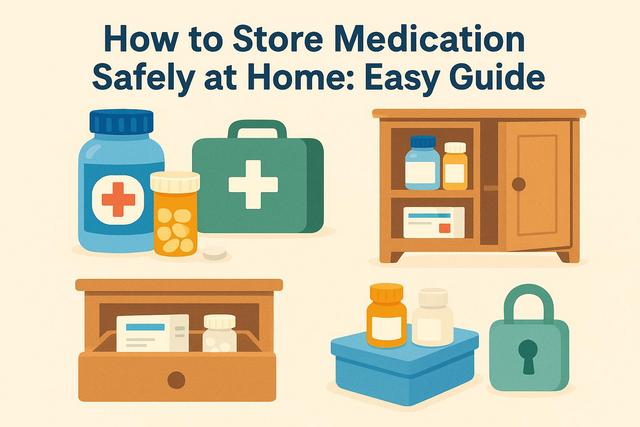
Safely storing medication at home is crucial for maintaining its potency and ensuring the well-being of your family. This comprehensive guide will walk you through the best practices for drug storage, covering essential points to prevent mishaps and improve healthcare outcomes.
Understanding the Importance of Medication Storage
Storing medication correctly is essential to ensure its effectiveness and safety. Medications that are improperly stored can degrade, lose potency, or even become harmful. The World Health Organization emphasizes that temperature, humidity, and light exposure significantly impact drug stability. For example, aspirin left in a humid environment may degrade into salicylic acid, which can cause irritation.
Optimal Conditions for Medication Storage
Temperature Control
Most medications should be stored at room temperature, generally between 68°F and 77°F (20°C to 25°C). Certain medications, however, require refrigeration. Always refer to the packaging or consult a pharmacist if you are unsure. For example, insulin and some liquid antibiotics need to be refrigerated.
Humidity Management
Avoid storing medications in the bathroom due to high humidity from showers. Instead, use areas like a bedroom drawer. Consider adding a desiccant package, commonly found in vitamin bottles, to absorb moisture.
Light Exposure
Certain medications are sensitive to light and should be stored in their original containers. For instance, nitroglycerin tablets must be kept in their original amber bottle to prevent degradation from light exposure.
Organizing Your Medication
Organizing medication properly goes a long way in maintaining its safety and effectiveness.
- Labeling: Keep medications in their original containers with labels intact. This includes instructions, dosage, and expiration date information.
- Separation: Store different types of medications separately to avoid confusion. Prescription drugs, over-the-counter medicines, and dietary supplements should be organized differently.
Technology and Tools for Medication Storage
Smart Medication Dispensers
These devices can help manage and dispense your medication at the right time and in the correct dosage. Some smart dispensers include features like alarms and dosage reminders.
Temperature Monitoring Devices
Consider using temperature-monitoring devices to ensure medications like insulin maintain their required temperature, especially in locations with fluctuating climates.
Common Mistakes in Medication Storage
Ignoring Expiration Dates
Expiring medications can be ineffective or harmful. Regularly check expiration dates and safely dispose of any expired medications via a pharmacy take-back program.
Exposing to Heat
Leaving medication in a hot car or directly under sunlight can degrade its effectiveness. Always carry medications in a climate-controlled environment.
Practical Recommendations for Safe Medication Storage
- Regular Inventory Checks: Conduct regular checks of your medication inventory, looking for expired or unused medications.
- Utilize Childproof Containers: If you have children, use child-resistant packaging and store medications out of their reach.
- Consult With Professionals: When in doubt, consult with pharmacists to ensure you’re storing medications correctly.
Conclusion
Storing medication safely at home is more than just keeping them on a shelf. It involves understanding the right storage conditions, organizing effectively, and using technology to ensure medication efficacy and family safety. Implement these strategies to protect your health outcomes.
FAQ
What should I do with expired medications?
Dispose of them through a pharmacy take-back program or follow FDA guidelines for home disposal.
Can I store different medications together?
It's best to store them separately to avoid confusion and potential drug interactions.
What if I accidentally take expired medication?
While not always dangerous, expired medications can be less effective. Contact your healthcare provider immediately for advice.

