
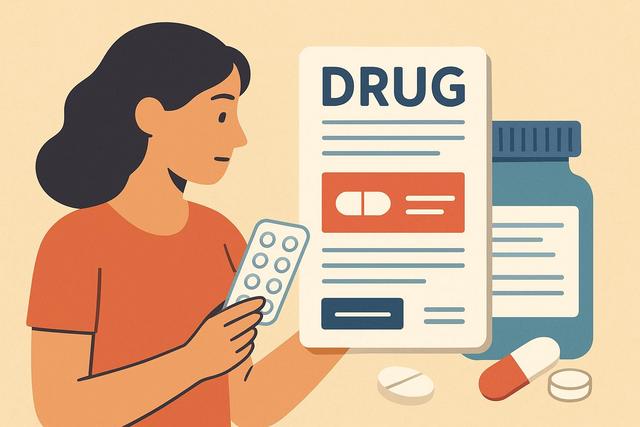
Understanding drug labels is crucial for medication safety and effectiveness. In this guide, we explore how to read and interpret dosage information, warnings, and interactions on drug labels. This knowledge helps ensure safe use of pharmaceuticals, avoiding adverse effects and maximizing therapeutic benefits.
Why Understanding Drug Labels is Essential
Reading drug labels accurately is critical for safe and effective medication use. Labels provide comprehensive information regarding dosage, side effects, interactions, and storage instructions. Misinterpretation can lead to serious health risks and adverse drug events (ADEs). According to the FDA, ADEs result in over 1 million emergency department visits annually.
Common Issues with Misreading Labels
Misunderstanding drug instructions can result in:
- Incorrect dosage, leading to overdoses or underdoses.
- Severe allergic reactions due to ignoring contraindications.
- Dangerous interactions with other drugs.
Importance of Education and Compliance
Educating consumers on reading drug labels is a strategic approach to enhance pharmaceutical safety. Compliance with label directions also improves therapeutic efficacy and patient outcomes.
Decoding the Dosage Instructions
Correct dosage is key to a drug's effectiveness and safety. Dosage instructions often include specific times and conditions under which the medication should be taken.
Navigating Active Ingredients and Strength
The active ingredient is the component that makes the medication effective. For instance, in Tylenol, the active ingredient is acetaminophen. Understanding the strength (mg or ml) of each component helps in managing doses, especially in OTC combinations.
Comprehending Dosage Forms: Tablets, Liquids, and More
Medication formats may impact how they should be consumed:
- Tablets and capsules: may require water and specific instructions like 'take with meals'.
- Liquids: often measured using specific tools, like droppers or syringes, to ensure precision.
Actions: Always verify the medication form and its individual dosing tool for accuracy.
Unpacking Warnings and Precautions
Warnings provide the necessary information to prevent severe reactions and harmful interactions. They might include alerts about specific conditions, such as headaches, or risks in special populations like pregnant women.
Analyzing Drug Interactions
Drug interactions, potentially serious, are a primary focus. For instance, mixing ibuprofen with certain blood pressure medications can impair renal function. Utilize resources like the Medscape Drug Interaction Checker for comprehensive interaction reviews.
Identifying Contraindications and Allergies
Contraindications highlight situations where the drug should not be used, such as in specific allergies. Review the label for any listed allergens and cross-reference with personal health records.
Exploring Side Effects and Adverse Reactions
Learn about potential side effects, which vary from common (e.g., dizziness) to severe (e.g., heart palpitations). Monitoring these helps users identify adverse reactions early.
Reporting and Managing Side Effects
Keep track of any unexpected reactions and report them to healthcare providers promptly. The FDA Adverse Event Reporting System provides detailed guidance on reporting side effects.
Proactive Monitoring of Long-Term Effects
Long-term medication may lead to cumulative effects. Regular check-ups can help in adjusting medications accordingly.
Special Considerations: Pregnant Women, Elderly, and Children
These groups may require tailored approaches. Pregnant women might need A/B-rated drugs for safety, while elderly and children require dose adjustments due to metabolic differences.
Label Instructions for Children and Infants
Use pediatric-specific formulations and dosing instructions. Adult formulations may not be suitable due to potent effects or inappropriate dosing measurements.
Tailoring Dosage for Elderly Populations
Age-related changes in metabolism and function necessitate careful monitoring of drug efficacy and side effects in the elderly population.
Storage Instructions and Expiration
Storage conditions impact medication potency. Most medications require a cool, dry place; violating these conditions might reduce effectiveness or cause harm.
Proper Drug Disposal
Expired medications can be harmful. Follow FDA guidelines on safe disposal, such as drug take-back programs, or consult pharmacists for advice.
Effects of Moisture and Temperature on Medication
Fluctuations in temperature or humidity can degrade medication. Protect packaging integrity to ensure long-term effectiveness.
Conclusion: Taking Action for Safe Medication Use
Understanding and implementing drug label information is pivotal for safety. By closely reviewing the instructions, being aware of potential interactions, and ensuring proper storage, users can significantly reduce the risk of adverse drug events.
Key Takeaways:
- Prioritize reviewing dosing, interaction warnings, and expiration upon purchase.
- Use reliable resources like FDA websites and pharmacists for unresolved queries.
- Regularly update personal medication lists, especially during doctor visits.
By following these steps, healthcare consumers can better navigate the complexities of drug label information, fostering safer drug consumption and enabling informed decisions.

