
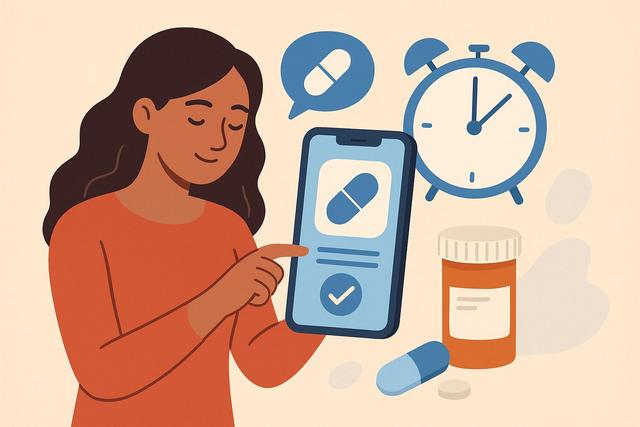
Managing medications effectively is crucial for patient health, but it can be a challenge. This guide explores the best medication reminder apps that can support patients in maintaining their medication schedules, improve adherence, and ensure better health outcomes. With an array of apps available today, we will analyze their features, usability, and how each can cater to specific patient needs.
Why Medication Reminder Apps Are Essential
Medication adherence plays a critical role in patient health outcomes. Despite this, studies show that up to 50% of patients do not take their medications as prescribed. This non-adherence can lead to severe health complications, hospital readmissions, and increased healthcare costs.
Medication reminder apps can bridge this gap by providing timely reminders, dosage details, and even educating patients about their medications. This is particularly essential for patients managing chronic conditions such as diabetes or hypertension.
Real-world Example: A study published in the Journal of Medical Internet Research found that patients using reminder apps showed a significant improvement in adherence rates.
Criteria for Choosing a Medication Reminder App
When selecting a reminder app, it is essential to consider:
- Ease of Use: The app should have an intuitive interface suitable for all age groups.
- Feature Set: It should include notifications, medication logs, and refill reminders.
- Compatibility and Syncing: The app should sync seamlessly with other health devices or apps.
- Security: HIPAA compliance and data encryption should be a priority to protect patient information.
Top Medication Reminder Apps
1. Medisafe
Medisafe is one of the most popular and comprehensive medication management apps available. It offers features such as drug interaction warnings, family sharing, and personalized reminders.
Medisafe integrates with other health apps and wearables, providing detailed medication reports. It's particularly beneficial for patients with complex medication schedules.
2. MyTherapy
MyTherapy isn't just a medication reminder; it acts as a comprehensive health journal. It tracks medication adherence, symptoms, and health data such as blood pressure and body weight.
Users have praised its user-friendly interface and the ability to share data with healthcare providers, making it a valuable tool for patient-doctor communication.
3. CareZone
CareZone is tailored for users managing multiple medications. It offers features like pill trackers, refill alerts, and a secure place for storing health documents.
CareZone's unique feature is its ability to scan medication labels, simplifying the setup process for new users.
4. MedMinder
MedMinder is particularly beneficial for older adults as it combines a smart pillbox with its reminder app. It offers remote monitoring features, allowing caregivers to track adherence.
The pillbox will flash, beep, and even send alerts to ensure doses are not missed, catering to patients with complex regimes.
Potential Limitations and Risks
- Over-reliance: Patients might become overly dependent on apps and neglect medical advice.
- Technical Issues: App malfunctions can lead to missed doses.
- Security Concerns: Although most apps claim compliance, data breaches remain a risk.
Implementation Guide: Getting Started
Follow these steps to maximize the use of a medication reminder app:
- Consult with Healthcare Provider: Discuss the intention to use an app to ensure it complements prescribed therapy.
- Choose the Right App: Based on personal needs, using the criteria discussed.
- Set Up Reminders: Enter all medications, doses, and schedules accurately.
- Use Additional Features: Explore options like symptom tracking and caregiver alerts for enhanced monitoring.
Frequently Asked Questions
1. How do these apps handle complex medication schedules?
Most apps, like Medisafe, allow for flexible scheduling and can manage different doses at multiple times of the day.
2. Do these apps require internet access?
Basic functions typically work offline, but features like syncing data with other devices may need internet.
3. Are these apps free or paid?
Most apps offer a free version with essential features, and a premium version for advanced tools.
Conclusion
Medication reminder apps hold significant promise in improving adherence and health outcomes. By choosing an app that aligns with individual needs and actively engaging with its features, patients can take proactive steps towards better health management. Encourage collaboration with healthcare providers to ensure the chosen app supports and enhances existing therapy plans.

