
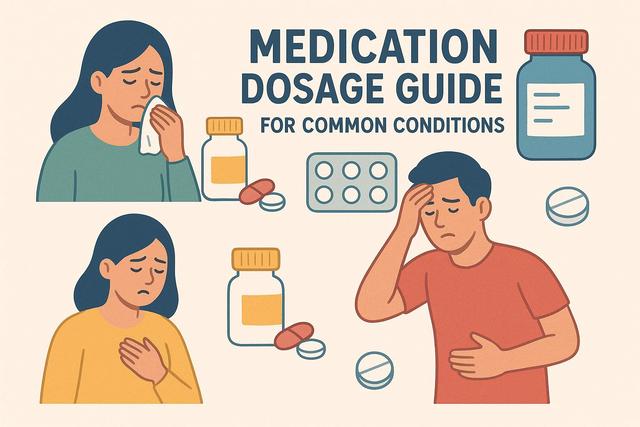
Understanding the correct medication dosage for common conditions is crucial for effective treatment and avoiding adverse effects. This guide provides real-world examples and actionable insights to help users navigate medication dosages safely and effectively.
Understanding Medication Dosages
Medication dosage is vital to effective treatment. Incorrect amounts can lead to ineffective therapy or harmful side effects. Dosage depends on variables like age, weight, kidney, and liver health, and specific condition requirements. For example, pediatric dosages are often calculated based on weight, whereas adult doses might rely on standardized metrics or be adjusted for renal function.
Prescribed Medications Explained
When prescribed a medication, understanding the doctor's instructions is essential. Take antibiotics as an example: they are typically prescribed for bacterial infections, with dosages like 500 mg every 8 hours for a standard amoxicillin course. Patients often err by discontinuing once symptoms improve; however, this can lead to incomplete treatment and resistance.
Over-The-Counter vs. Prescription Dosages
Over-The-Counter (OTC) Drugs
OTC medications, such as ibuprofen for pain, generally allow more flexibility, yet this can lead to misuse. The standard ibuprofen dosage for adults is 400 to 800 mg every 6 to 8 hours, but exceeding 3200 mg per day may cause issues like stomach ulcers.
Prescription Medications
Prescription drugs demand strict adherence to doctor instructions. Consider medications like benzodiazepines, prescribed for anxiety, which come with a high risk of dependency. A common dosage such as 0.25 to 0.5 mg of alprazolam must be carefully managed, and misuse can lead to addiction.
Dosage Adjustments and Personalization
Dosages often require adjustments based on individual factors. For instance, in chronic conditions like diabetes, insulin dosage might vary daily. Personalization involves continuous monitoring, necessitating collaboration with healthcare providers.
Case Study: Warfarin Dosage in Atrial Fibrillation
Patients using warfarin, a blood thinner, need regular INR testing to adjust doses, reducing stroke risk while preventing bleeding complications. This complexity underscores the importance of personalized medicine and the challenges in balancing therapeutic and adverse outcomes.
Risks and Common Mistakes
Overdosing and Underdosing
Common errors include dosing confusion due to similar medication names or packaging. An example is acetaminophen, a component in multiple remedies like cold and headache medicines, leading to dangerous overdosing.
Inconsistent Administration Timings
Inconsistent intake of medication can hinder effectiveness. Antibiotics should be taken at evenly spaced intervals to maintain optimal blood levels.
Automated Tools for Dosage Management
Tools like medication reminder apps assist patients in managing complex schedules. Devices like automatic pill dispensers ensure adherence in patients with memory impairments. For a list of reliable apps, see consumer technology guides from reputable health websites.
FAQs
Q1: Can I adjust the dosage if I feel better?
A1: Never alter dosages without medical consultation, as stopping early can result in incomplete treatment.
Q2: Are dosage amounts on the label always safe for everyone?
A2: Dosage instructions are general and may not account for individual differences; consult a healthcare provider for personalized advice.
Q3: What should I do if I miss a dosage?
A3: Generally, take the missed dose as soon as possible, unless it's near the next scheduled dose; in such cases, skip it and resume your schedule.
Conclusion
Accurate dosing is the cornerstone of effective treatment with medication. Patients must adhere strictly to prescribed dosages, utilize automated tools for assistance, and engage in regular consultations with healthcare professionals. Always prioritize safety by seeking professional guidance before making any changes to your medication routine.

