
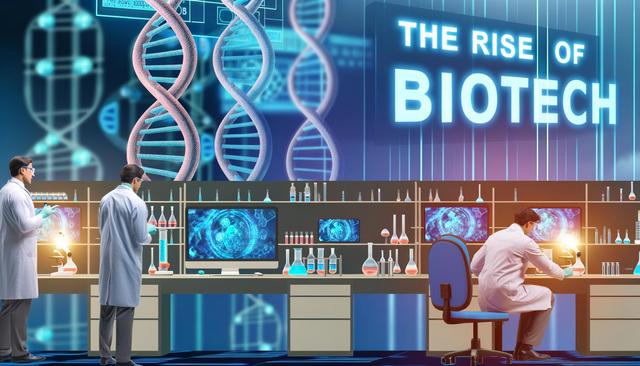
In 2025, the biotechnology sector is poised to redefine the pharmaceutical landscape. Innovations in drug development are being propelled by advances in biotech, resulting in groundbreaking medical treatments. This article delves into the increasing influence of biotech pharmaceuticals, exploring how they are transforming medicine today.
The Evolution of Biotech Pharmaceuticals
Biotech pharmaceuticals, or biopharmaceuticals, are medical drugs produced using biotechnology. They differ from conventional pharmaceuticals in that they are typically derived from biological sources. This segment has grown significantly over the last few years, driven by technological advancements and increasing demand for personalized care.
Biotech's Role in Modern Medicine
Biotech's contribution to modern medicine is profound. The ability to customize treatments based on genetic profiles marks a paradigm shift in how conditions are treated. For example, targeted cancer therapies are now possible thanks to biotech innovations like CRISPR and monoclonal antibodies.
Advancements in Drug Development
The drug development process has also evolved with biotech at its helm. Traditional drug development involves a lengthy, cost-intensive process. However, leveraging biotechnology can significantly reduce time-to-market and costs. According to a published study, biopharmaceuticals can cut development time by as much as 33%.
Case Study: The Emergence of mRNA Vaccines
One of the most significant biotech advances recently has been the development of mRNA vaccines, which provided a rapid response to the COVID-19 pandemic. Companies like Moderna and BioNTech leveraged decades of research to bring these vaccines to market quickly.
The success of mRNA vaccines underscores the potential of biotechnology to revolutionize how vaccines are designed and produced. This technology could transform the development of vaccines for other diseases, offering faster and more effective protection.
Biotech Innovations Driving Future Solutions
As we look towards the future, several biotech innovations stand out as pivotal. Gene therapies aimed at curing rare genetic disorders, stem cell therapies for regenerative medicine, and advanced biologics poised to treat chronic conditions offer glimpses into the potential of biotech-driven pharmaceuticals.
Organizations such as the National Human Genome Research Institute continue to spearhead research that contributes significantly to biopharmaceutical advancements.
Regulatory and Economic Impact
The rise of biotech pharmaceuticals is influenced by regulatory frameworks and economic pressures. Regulatory agencies like the FDA are adapting to the changing landscape by providing clearer pathways for biopharmaceutical approval, which is stimulating innovation and encouraging investment in biotech start-ups.
The economic implications are substantial, with an IHS Markit report forecasting the global biologics market to be valued at over $400 billion by 2025.
Challenges and Opportunities
Despite the promising outlook, several challenges need to be addressed. Manufacturing complexities, high production costs, and stringent regulatory requirements pose hurdles for biotech companies. Nonetheless, these challenges are opportunities for innovation in production techniques and regulatory science that could further propel the sector.
Concluding Thoughts
The rise of biotech pharmaceuticals in 2025 is not just about technological advances; it reflects a broader shift towards more personalized, efficient, and adaptive medical treatments. Industry stakeholders, from researchers to policymakers, must collaborate to address challenges and leverage opportunities presented by biotech innovations.
As we progress, it's crucial for pharmaceutical companies to invest in biotech research and foster partnerships that facilitate knowledge-sharing and innovation. This strategic approach will ensure that biopharmaceuticals continue to revolutionize healthcare.
- Acknowledge the critical opportunities offered by biotech innovations.
- Stay updated with regulatory changes to align product development strategies effectively.
- Emphasize collaboration within the industry to overcome challenges and exploit new opportunities.
For more information on the impact of biotechnology in healthcare, interested parties can explore resources from the World Health Organization.

