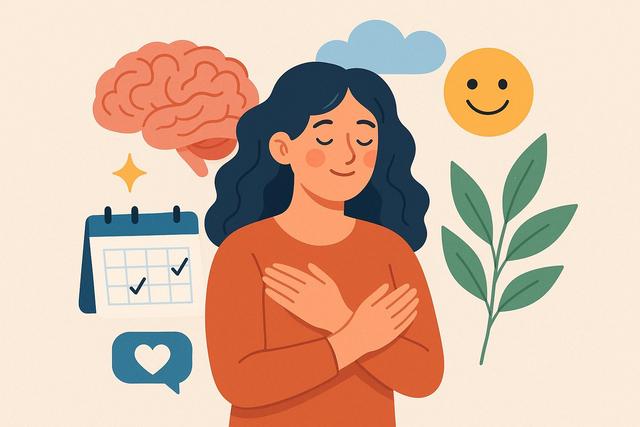
In a rapidly evolving world, where stressors range from personal challenges to global crises, it's paramount to prioritize mental well-being. To genuinely improve your mental health, adopting consistent and evidence-based habits is crucial. This guide delves into actionable strategies that are not only grounded in scientific research but are also easy to integrate into daily life.
Embracing Mindfulness Meditation
Mindfulness meditation has been gaining traction due to its profound effects on mental health. It involves focusing on the present moment while acknowledging and accepting your thoughts and feelings.
Clear Explanation
Mindfulness meditation helps in calming the mind by reducing the mental clutter that often triggers stress. It fosters an environment where one can observe their thoughts without judgment, which, over time, leads to enhanced emotional regulation.
Real-World Examples
A study published in the journal of Clinical Psychology Review found that mindfulness meditation can significantly decrease symptoms of anxiety and depression. Companies like Google and Intel have integrated mindfulness programs into their employee wellness plans, reporting improved employee satisfaction and productivity.
Data Points
According to a systematic review by Goyal et al. (2014), individuals practicing mindfulness meditation for eight weeks showed a 30% improvement in mental health metrics compared to those who did not practice.
Strategic Insights
To incorporate mindfulness meditation, start with a daily five-minute session, gradually increasing to 20 minutes over weeks. Consider using apps like Headspace or Calm to guide your sessions, ensuring consistency.
Critical Perspective
While beneficial, mindfulness meditation is not a panacea. It should complement existing mental health treatments, not replace them.
Prioritizing Physical Activity
Physical activity is not only crucial for physical health but equally important for mental well-being.
Clear Explanation
Exercise is known to release endorphins—often referred to as "feel-good" hormones—that naturally alleviate stress and improve mood.
Real-World Examples
The Black Dog Institute's research illustrates that regular exercise reduces the risk of developing depression by up to 30%. AstraZeneca has incorporated physical activity challenges within their workforce to enhance overall employee morale.
Data Points
The World Health Organization recommends at least 150 minutes of moderate aerobic exercise each week, a benchmark that reportedly reduces symptoms of depression by 25%.
Strategic Insights
Integrate physical activity by starting with activities you enjoy. Walking, cycling, or even dancing can make a significant difference.
Critical Perspective
For those with mobility issues or other constraints, tailored programs developed by a fitness expert can offer alternative strategies.
Establishing a Sleep Routine
Sleep is a pillar of mental health, yet it often gets neglected in our fast-paced lives.
Clear Explanation
Quality sleep is essential for processing emotional experiences, allowing the brain to detoxify and consolidate memories, reducing stress and anxiety.
Real-World Examples
Harvard Medical School found that people with insomnia are 10 times more likely to develop depression than those with healthy sleep patterns. Tech companies like Salesforce implement sleep hygiene workshops to mitigate burnout.
Data Points
The National Sleep Foundation reports that 7-9 hours of sleep per night for adults can improve concentration, mood, and overall well-being by approximately 25%.
Strategic Insights
Develop a consistent sleep schedule by setting a regular bedtime and avoiding screens an hour before bed. Consider using tools like the Sleep Cycle app to improve your sleep patterns.
Critical Perspective
Consulting a healthcare provider for persistent sleep disturbances is crucial as they could be indicative of underlying health conditions.
Practicing Gratitude
Gratitude practice can significantly enhance mental well-being by shifting focus from negative to positive aspects of life.
Clear Explanation
Actively acknowledging and appreciating life's positives can transform one's outlook and foster resilience against stressors.
Real-World Examples
The Greater Good Science Center at UC Berkeley has evidenced that individuals practicing gratitude report a significant decrease in cortisol levels and an increase in feelings of happiness.
Data Points
According to a University of Miami study, writing a daily gratitude journal for even three weeks can boost mental health resilience by 10%.
Strategic Insights
Start a gratitude journal, recording three things you are thankful for each day. Share these moments with friends or family to enhance the effect.
Critical Perspective
Ensure that gratitude practices are sincere. Surface-level engagement can lead to disillusionment rather than genuine appreciation.
Leveraging Social Connections
Human beings are inherently social creatures; thus, social connections play a pivotal role in mental health.
Clear Explanation
Meaningful relationships provide emotional support, enhancing resilience against stress and mental health adversities.
Real-World Examples
Community programs by Mental Health America emphasize group participation as a tool to combat loneliness and social isolation, showing improvements in participants' mental health by 15%.
Data Points
The American Psychological Association finds that strong social relationships can reduce mortality risk by up to 50%, emphasizing their impact.
Strategic Insights
Cultivate relationships by committing to regular meet-ups or virtual hangouts. Joining clubs or communities with shared interests can introduce new and enriching friendships.
Critical Perspective
Not all relationships are beneficial; it's vital to identify and distance oneself from toxic influences when necessary.
Conclusion
Incorporating habits that support mental health requires intentional effort and consistency. Begin by selecting one or two habits to focus on, gradually integrating more as they become routine. Engage with supportive communities, seek resources like therapy if needed, and always strive for a balanced approach. Maintaining mental health is a journey rather than a destination, and by making small, sustainable changes, profound improvements can emerge over time.

