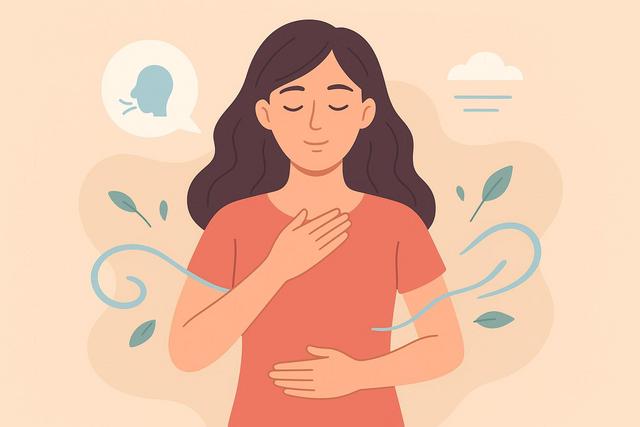
In today's fast-paced world, stress has become an almost unavoidable companion in daily life. Stress can affect our health, mood, and overall well-being, making it critical to find quick and effective ways to manage it. Breathing exercises stand out as one of the simplest yet most powerful tools for stress relief. This strategic guide explores the best breathing exercises you can easily incorporate into your routine to achieve fast and effective stress reduction.
Understanding the Importance of Breathing in Stress Relief
Breathing is an involuntary action that most of us take for granted, yet it plays a crucial role in stress management. When you experience stress, your body's immediate reaction is to enter the 'fight or flight' mode, leading to faster and shallower breathing. Controlled breathing counteracts this by signaling your brain to calm down, leading to a reduction in heart rate and a state of relaxation.
The Science Behind Breathing and Stress
Scientific studies have shown that controlled breathing exercises can affect cardiovascular, respiratory, autonomic, and psychological responses to stress. By extending the exhalation phase and engaging in diaphragmatic breathing, individuals can stimulate the vagus nerve. This stimulation enhances parasympathetic nervous system activity, promoting a state of calm and reducing stress-induced hormones like cortisol.
Real-World Examples
For instance, in a study conducted by Harvard Medical School, participants practiced breathing exercises over eight weeks and reported measurable reductions in stress levels and increased feelings of well-being. The simplicity of adopting such techniques makes them accessible to anyone, regardless of age or location.
Best Breathing Exercises for Fast Stress Relief
Stress can strike at any time, so having a repertoire of effective breathing exercises is essential. Here, we explore highly recommended techniques:
1. Diaphragmatic Breathing
Also known as belly breathing, this technique engages the diaphragm, which allows for deeper breathing. To practice this:
- Sit comfortably, with your back straight.
- Place one hand on your chest and the other on your abdomen.
- Inhale slowly through your nose, letting your abdomen expand.
- Exhale slowly through the mouth.
- Repeat for 5–10 minutes daily.
Diaphragmatic breathing is beneficial in lowering blood pressure and enhancing focus.
2. Box Breathing
Box breathing, or four-square breathing, is a technique used by Navy SEALs to maintain calm under pressure.
- Inhale through your nose for a count of four.
- Hold your breath for a count of four.
- Exhale slowly through the mouth for a count of four.
- Pause again for a count of four before the next inhale.
This exercise can quickly bring about a sense of peace and lower stress levels.
3. Alternate Nostril Breathing
This exercise, rooted in ancient yoga traditions, balances the body's energy and calms the mind.
- Sit comfortably.
- Use your right thumb to close your right nostril.
- Inhale slowly through your left nostril.
- Close the left nostril with your ring finger, and exhale through the right nostril.
- Continue this cycle for 5–10 minutes.
Studies show alternate nostril breathing can improve cardiovascular function and reduce anxiety.
Common Mistakes and Risks
While breathing exercises are generally safe, there are common mistakes to be aware of.
- Shallow Breathing: Avoid this mistake by engaging the diaphragm.
- Holding the Breath Too Long: Deep breath holds can lead to dizziness.
- Skipping Practice: Consistency is key to effectiveness.
Practicing in safe environments, free from hazards, can mitigate risks. Listen to your body and discontinue any exercise that causes discomfort.
FAQ
How quickly do breathing exercises work for stress relief?
Breathing exercises can provide immediate relief, often noticeable within minutes. However, consistent practice enhances long-term stress resilience.
Can breathing exercises replace medication for stress?
While helpful, breathing exercises should complement, not replace, medical treatments. Always consult a healthcare professional.
Are these techniques suitable for everyone?
Most people can practice these exercises safely, but those with respiratory conditions should consult a healthcare provider beforehand.
Conclusion
Incorporating breathing exercises into your daily routine can be a game-changer in managing stress. Techniques like diaphragmatic breathing, box breathing, and alternate nostril breathing are effective for quick relaxation. Remember, consistency is crucial for long-term benefits, so make these practices a regular habit. Start small, gradually building up the duration and complexity of your exercises. As you experience improvement, you'll find yourself better equipped to handle life's stresses with a calm and balanced mind.

