
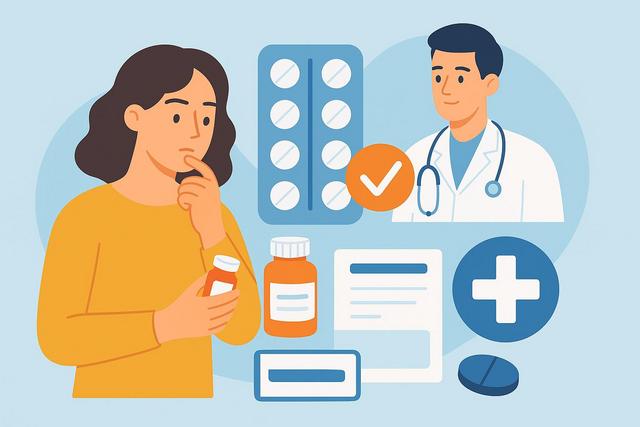
In today's world, medications are integral to healthcare, helping manage various conditions effectively. However, improper use can lead to significant health risks, including adverse reactions and diminished drug efficacy. This guide delves into safe medication use, offering strategies, real-world examples, and expert insights to ensure that each dosage enhances well-being without unintended consequences.
Understanding Medication Risks
Medications, while beneficial, come with inherent risks that require careful management.
Adverse Reactions and Side Effects
Adverse reactions, ranging from mild discomfort to severe health threats, can drastically affect patient outcomes. For example, a study by the FDA indicates that nearly 1.3 million emergency room visits in the U.S. are related to adverse drug events annually. Strategies such as proper dosage calculation and understanding potential drug interactions are essential in mitigating these risks.
Actionable Insight: Always consult healthcare professionals about potential side effects and interactions with other medications or supplements.
Medication Errors
Errors, often occurring in prescribing, dispensing, and administering drugs, can lead to harmful consequences. A case study from Harvard University highlights that approximately 7,000 Americans die annually from medication errors.
Strategic Approach: Implementing electronic prescribing systems and cross-checking medications with patient records can significantly reduce errors.
Effective Communication with Healthcare Providers
Establishing clear communication with healthcare professionals is pivotal in ensuring safe medication use.
Doctor-Patient Transparency
A candid dialogue about your medical history, allergies, and current medications can vastly improve prescription accuracy. For instance, a survey by the National Institutes of Health found that patients who regularly discuss these factors with their doctors have a 50% higher chance of preventing harmful drug interactions.
Actionable Tip: List all your current medications and discuss them with your healthcare provider at every visit.
Pharmacist Consultations
Pharmacists are an underutilized resource in managing medication safety. They can offer insights on correct drug usage and potential side effects, aligning patient education with healthcare goals.
Case Study: A pharmacy-led intervention in Europe reduced medication errors by 65% over six months by providing personalized patient education sessions.
Safe Storage and Disposal Practices
Proper storage and disposal of medications prevent accidental misuse and maintain drug efficacy.
Correct Storage Techniques
Medications exposed to unsuitable conditions like high humidity or temperature can lose potency. The CDC recommends storing most medications in a cool, dry place away from direct sunlight.
Example: Insulin, when not stored correctly, may become ineffective, compromising glucose control in diabetics.
Disposal of Unused Medications
Improper disposal poses risks to both health and the environment. Following FDA guidelines for the disposal of unused medications ensures they do not pose dangers to others or pollute ecosystems.
Strategic Insight: Use medicine take-back programs available through pharmacies and local waste disposal services to safely dispose of medications.
Monitoring and Managing Medication Schedules
Consistency in medication schedules is vital for effectiveness and reducing side effects.
Utilizing Medication Management Tools
Digital applications like Medisafe help patients manage dosages and scheduling, reducing the likelihood of missed or double doses by reminding users when to take their medications.
Comparison Table:
| Feature | Medisafe | MyTherapy |
|---|---|---|
| Dose Reminders | Yes | Yes |
| Record Symptoms | Yes | Yes |
| Calendar View | No | Yes |
Importance of Adherence
Failure to adhere to prescribed regimens can lead to treatment failure. A WHO report estimates that only 50% of individuals with chronic diseases stick to their medication plans.
Solution: Setting alarms, using pill organizers, and having a routine are practical ways to enhance adherence.
Evaluating and Understanding Medication Labels
Medication labels are designed to provide essential information that can prevent misuse.
Decoding Prescription Labels
Understanding key components such as active ingredients, dosage, and expiration dates is crucial. Misinterpretations can lead to significant health risks.
Example: A study in The Lancet reported that 15% of older adults misinterpret medication instructions, leading to incorrect dosing.
Warnings and Usage Instructions
Critical to avoiding contraindications and side effects, warnings should be read and understood thoroughly.
Professional Insight: If terms are unclear, consulting pharmacists can offer clarification and prevent potential misunderstandings.
Leveraging Technology for Medication Safety
Technology has revolutionized medication safety with innovative tools and platforms.
Smart Pill Dispensers
Devices like Hero and MedMinder automate pill dispensing, ensuring accurate doses at proper times and reducing caregiver workload.
Artificial Intelligence in Healthcare
AI is increasingly used to analyze big data trends in pharmacy and predict potential adverse reactions before they happen. IBM Watson, for instance, assists hospitals by predicting patient responses to medications with impressive accuracy, thereby enhancing treatment protocols.
Conclusion
Ensuring safe medication use requires understanding risks, fostering communication with healthcare providers, proper storage, and leveraging technology. Patients should prioritize education about their medications, access professional guidance, and utilize digital tools for management. Implement these strategies to enhance safety and efficacy, improve health outcomes, and minimize preventable risks.

