How Diet Affects Your Mental Health
- 05/26/2025 09:11am
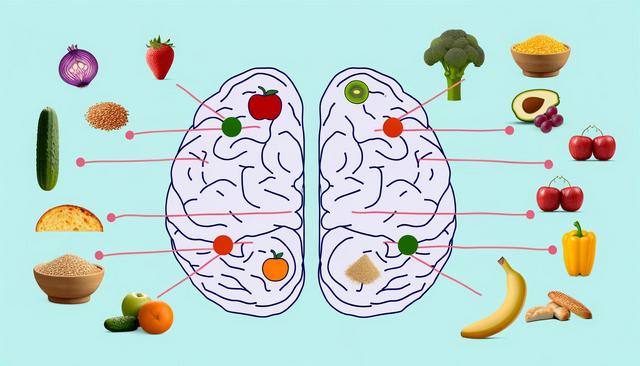
The impact of diet on mental health has become an essential topic of discussion in the wellness community. Understanding how nutrition influences brain function can empower individuals to make informed dietary choices to support optimal mental well-being.
Understanding the Link between Diet and Mental Health
In recent years, the connection between diet and mental health has garnered significant attention from researchers and healthcare professionals. Numerous studies suggest a direct relationship between nutrition and cognitive function, emotional regulation, and overall mental wellness. The gut-brain axis exemplifies this intricate relationship, indicating that a balanced diet contributes significantly to a healthy mind. Organizations like the Mental Health Foundation emphasize the importance of nutrition for a well-functioning brain, suggesting that what you eat can affect your mood and even influence conditions like depression and anxiety.
Nutrients Vital for Mental Health
Omega-3 Fatty Acids
Omega-3 fatty acids are essential fats found in high concentrations in the brain. They play a key role in maintaining the structure and function of brain cells. Foods rich in omega-3s, such as salmon, walnuts, and flaxseeds, can support brain health and reduce symptoms of depression.
B Vitamins
B vitamins, particularly B12 and folate, are crucial for brain health. They assist in producing neurotransmitters that regulate mood and emotional health. Deficiencies in Vitamin B can lead to increased risk of mood disorders. Harvard Health Publishing provides insights into how B vitamins impact mental well-being.
Antioxidants
Antioxidants such as vitamins C and E protect brain cells from oxidative stress, which can contribute to cognitive decline and mental health disorders. Consuming a diet high in fruits and vegetables, like berries and spinach, supplies your body with these crucial nutrients.
The Role of Diet in Specific Mental Health Conditions
Depression
A well-balanced diet can significantly alleviate symptoms of depression. Foods that contain high levels of tryptophan, such as turkey and cheese, are precursors to serotonin, often known as the 'feel-good' neurotransmitter. A Mediterranean diet, rich in fruits, vegetables, grains, olive oil, and fish, has been linked to lower rates of depression, as evidenced by studies published by the National Institutes of Health.
Anxiety
Anxiety can be exacerbated by poor dietary habits. Excessive caffeine and sugar can stimulate anxiety symptoms, whereas diets inclusive of complex carbohydrates, lean proteins, and omega-3s can have a calming effect.
Practical Dietary Changes for Better Mental Health
- Diversify Your Diet: Ensure that your meals include a variety of fruits, vegetables, lean proteins, and healthy fats.
- Mind Your Micronutrients: Focus on important vitamins and minerals, including magnesium, zinc, and selenium, which can improve mood and energy levels.
- Hydration: Adequate hydration is crucial for physical and mental health. Drink plenty of water and limit alcohol and caffeine intake.
- Probiotics and Prebiotics: Foods like yogurt, kefir, and fermented products enhance gut health, which is linked to improved mood and cognitive function.
Case Studies: Diet and Improved Mental Health Outcomes
A study published in the Journal of Nutrition & Intermediary Metabolism demonstrated that participants who switched to a Mediterranean diet noted reductions in depressive symptoms within three months. Another case from the Movement Disorders journal highlighted improved quality of life in patients with Parkinson’s disease upon incorporating more whole grains, fish, and leafy greens.
Conclusion: Enhancing Mental Health through Diet
Understanding the impact of dietary choices on mental health can lead to profound improvements in your emotional and cognitive well-being. Implementing positive changes—like incorporating a variety of nutrient-dense foods, staying hydrated, and being mindful of your intake of processed foods—can support long-term mental health benefits. As nutrition continues to play a vital role, consulting with healthcare professionals, including dietitians, can provide personalized guidance to optimize both diet and mental health outcomes.
For more detailed research and guidance, websites like PubMed offer a wealth of peer-reviewed scientific literature linking nutrition with mental health improvements.

