How AI is Revolutionizing Telemedicine
- 02/28/2025 10:11am
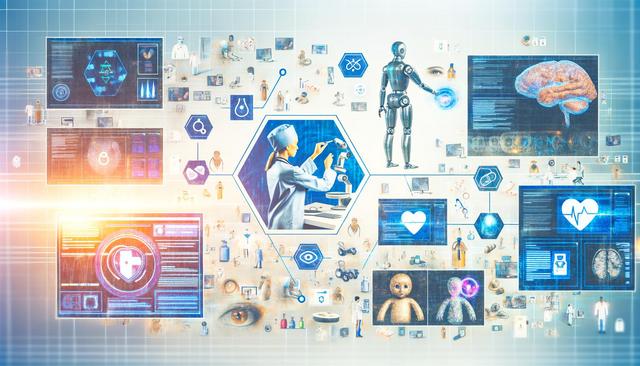
The rapid integration of artificial intelligence (AI) into telemedicine is transforming the landscape of virtual healthcare services. This article explores how AI is enhancing telemedicine capabilities, improving patient outcomes, and driving efficiencies in healthcare delivery.
The Evolution of Telemedicine and AI Integration
Telemedicine has come a long way from its early days of simple phone consultations. With the advent of the internet and smartphones, virtual healthcare services have become a staple in many healthcare systems worldwide. Now, the infusion of AI is unlocking new levels of efficiency and effectiveness, pushing telemedicine into a new era of sophistication.
Historical Context of Telemedicine
Originally, telemedicine was primarily used to provide healthcare services to patients in remote or underserved areas. As technology advanced, telemedicine offered more services, including video consultations and remote patient monitoring.
The Role of AI in Modern Telemedicine
AI technologies like machine learning, natural language processing, and predictive analytics are increasingly becoming integral components of telemedicine. These tools help automate administrative tasks, provide more accurate diagnoses, and offer personalized patient care. [Health Affairs]
AI-Driven Innovations in Telemedicine
Several cutting-edge AI technologies are making significant inroads into telemedicine. These innovations not only streamline operations but also bring about transformational changes in patient care and diagnosis.
Predictive Analytics for Patient Outcomes
Predictive analytics, powered by AI, can analyze vast datasets to forecast patient outcomes. By identifying risk factors and predicting complications, AI helps healthcare providers to craft proactive care plans that enhance patient outcomes.
AI-Powered Chatbots and Virtual Assistants
AI chatbots and virtual assistants are revolutionizing patient interactions. These tools provide 24/7 support, answer FAQs, and assist with appointment scheduling, freeing up valuable time for medical staff. The deployment of such AI-driven tools enhances patient engagement and satisfaction.
Case Studies and Real-World Applications
Johns Hopkins Hospital: AI in Remote Monitoring
Johns Hopkins Hospital implemented AI-driven remote patient monitoring systems to track patient health data in real-time. This system has significantly reduced the need for hospital readmissions and has improved patient care efficiency.
Kaiser Permanente: AI for Enhanced Diagnostics
Kaiser Permanente leveraged AI for diagnostic support in telemedicine. Their system assists healthcare providers by suggesting potential diagnoses based on patient symptoms and history, improving diagnostic accuracy and speed.
Challenges and Future Directions
Addressing Data Privacy Concerns
While AI in telemedicine offers immense potential, it also raises concerns about data privacy and security. Ensuring compliance with regulations such as the Health Insurance Portability and Accountability Act (HIPAA) is paramount to maintaining patient trust and safeguarding sensitive information.
Future of AI in Telemedicine
As AI technology continues to evolve, its integration into telemedicine is expected to deepen. Future advancements may include more sophisticated AI-driven diagnostic tools, personalized medicine based on genetic information, and enhanced virtual reality interfaces for patient-doctor interactions.
Conclusion
The integration of AI into telemedicine is not only enhancing the efficiency and effectiveness of virtual healthcare services but also transforming the way healthcare providers diagnose and treat patients. By embracing these technological advancements, healthcare systems can improve patient outcomes, optimize resources, and expand access to care. As AI continues to evolve, its revolutionary impact on telemedicine is only beginning. The opportunities for innovation and improvement in virtual healthcare are immense and poised to grow further.
Actionable Takeaways
- Healthcare providers should consider integrating AI tools to enhance telemedicine services and improve patient outcomes.
- Organizations must ensure robust data security measures are in place to protect patient information and comply with regulations.
- Continuous education and training on AI applications in healthcare can help professionals stay up-to-date with the latest advancements.

