Is AI Diagnosis Reliable? A Comprehensive Analysis
- 01/21/2026 05:11am
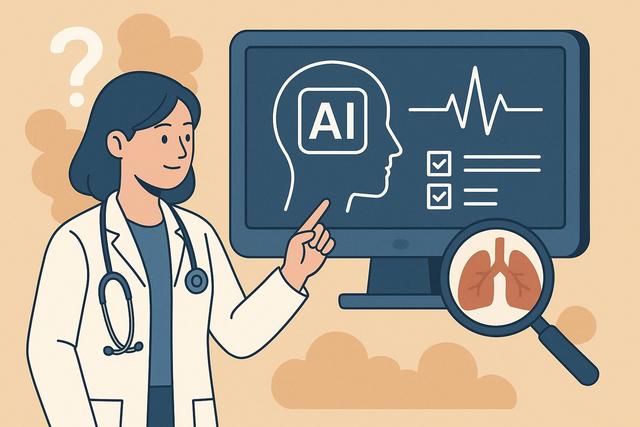
Artificial Intelligence (AI) has infiltrated numerous sectors, with healthcare being one of the most promising fields. The concept of AI diagnosis refers to the utilization of machine learning algorithms to identify, predict, and analyze diseases. But, how reliable are these AI diagnostics? This article explores the accuracy of AI in medical diagnosis and highlights areas where it falls short.
Understanding AI in Healthcare
AI technology in healthcare operates by analyzing vast datasets to recognize patterns and predict outcomes. These systems range from simple rule-based ones to complex neural networks used in deep learning. The deployment of AI in diagnostics aims at improving accuracy and efficiency in identifying diseases, offering a less time-consuming and potentially accurate alternative to traditional methods.
The Accuracy of AI Diagnostics
Recent studies have shown that AI can, in some cases, match or exceed human performance in specific diagnostic tasks. For example, a study published in Nature Medicine revealed that an AI developed by Google Health achieved an accuracy of 94.5% in detecting diabetic retinopathy, compared to the 87% accuracy recorded by general ophthalmologists.
Case Study: AI in Radiology
Radiology demonstrates significant AI advancements, with AI systems designed to detect anomalies in medical imaging, such as MRIs and CT scans. According to research in the Radiological Society of North America, AI systems have demonstrated impressive accuracy rates in spotting tumors and fractures, promising early detection and treatment.
Where AI Diagnostics Fall Short
Despite its potential, AI diagnostics are not without flaws. One major concern is the lack of transparency in how algorithms make decisions. This "black box" issue got highlighted by a study in Nature, raising concerns about the safety and interpretability of AI-driven diagnoses.
Limitations and Challenges
- Data Bias: AI systems often reflect the biases present in the training data, leading to disparities in diagnosis for different demographic groups.
- Regulatory Challenges: Obtaining regulatory approval for AI diagnostics remains a time-consuming process, as ensuring reliability and safety is paramount.
- Integration Issues: Seamlessly integrating AI systems with existing healthcare infrastructure poses another significant challenge.
Evaluating the Reliability of AI Diagnostic Tools
Healthcare professionals advocate for AI systems as assistive tools rather than standalone diagnostic solutions. By complementing the expertise of medical professionals, AI can provide a valuable second opinion in complex cases.
Actionable Insights for Implementing AI
- Continuous Monitoring: Regular updates and monitoring of AI systems are crucial to ensure they maintain accuracy and relevance.
- Collaborative Approach: Encouraging collaborations between AI developers and healthcare professionals is essential to refine diagnostic tools and improve patient outcomes.
- Education and Training: Providing adequate education and training for healthcare professionals to effectively use AI systems ensures a smoother integration and better decision-making.
Conclusion
While AI diagnosis shows promising results and offers significant potential benefits, its reliability is still under scrutiny. Healthcare professionals must approach AI with cautious optimism, embracing its role as an augmentative tool to human expertise. As technology progresses, addressing current limitations will be crucial in making AI diagnostics a mainstay in modern healthcare.
Ultimately, ongoing research, data validation, and a cooperative approach between AI developers and practitioners will determine the future of AI diagnostics in healthcare. By addressing data bias, enhancing interpretability, and refining regulatory frameworks, AI has the potential to revolutionize diagnostic accuracy and accessibility.

