The True Cost of Chronic Illness: A Detailed Exploration
- 03/06/2026 05:11am
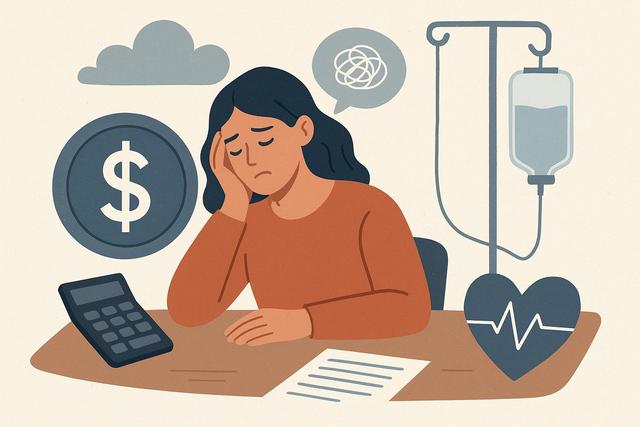
Chronic illnesses not only take a toll on physical health but also impose significant financial burdens. Understanding the full scope of these costs is crucial for both individuals and policy-makers to devise comprehensive strategies that alleviate the economic impact. In this guide, we'll delve into the often-overlooked expenses associated with chronic conditions, illustrated by real-world examples and supported by data-driven insights.
Direct Medical Costs: The Visible Expenses
Medication and Treatment Costs
Chronic illnesses often require long-term medication and treatment. Prescription drugs alone can significantly impact finances. For instance, individuals with diabetes may spend upwards of $1,000 annually on medications such as insulin and glucose-monitoring equipment. According to a study published by the American Journal of Managed Care, drug costs account for approximately 33% of the direct medical expenses for chronic conditions.
Actionable Insight:
- Explore generic drug options, which can be up to 85% less expensive than brand-name counterparts.
- Utilize pharmacy discount programs which can offer significant savings.
Regular Physician Visits and Diagnostics
Frequent doctor visits and diagnostic tests are often necessary to monitor and manage chronic conditions. The Centers for Disease Control and Prevention (CDC) reports that people with chronic diseases typically incur twice the amount in medical costs compared to those without a chronic illness. This translates to thousands of dollars annually per individual, emphasizing the need for budgetary planning.
Real-world Example:
Consider Jane, a middle-aged woman diagnosed with arthritis. Her management plan includes monthly doctor consultations and quarterly diagnostic tests, costing her family an estimated $2,500 annually.
Indirect Costs: The Hidden Financial Burdens
Loss of Income Due to Reduced Productivity
Chronic illnesses often lead to reduced work capacity. The Bureau of Labor Statistics notes that chronic conditions account for a significant number of absenteeism and reduced productivity in the workplace. This not only affects personal income but can also lead to broader economic implications.
Strategic Insight:
- Employers can implement flexible working arrangements to accommodate health needs, reducing both absenteeism and turnover.
Increased Insurance Premiums
Individuals with chronic conditions frequently face higher health insurance premiums. According to HealthAffairs, policyholders with chronic illnesses can pay up to 30% more in insurance premiums compared to healthy individuals.
Critical Perspective:
Insurance companies often justify higher premiums due to increased risk, but this practice can exacerbate the financial instability experienced by those with chronic illnesses.
Social and Psychological Costs
Emotional Stress and Mental Health
Chronic illness impacts not only physical health but also emotional well-being. The persistent nature of these conditions can lead to stress and depression, further complicating disease management and potentially creating additional healthcare expenses.
Data Point:
Studies indicate that people with chronic conditions are more than twice as likely to suffer from anxiety or depression.
Social Isolation and Its Economical Impact
The social ramifications extend beyond emotional distress. Individuals may experience social isolation, leading to reduced community participation and social network access, which indirectly affects financial health.
Case Study:
Consider the elderly who often face multiple chronic conditions leading to isolation. Community programs that foster social interactions have been shown to enhance quality of life and reduce healthcare utilization.
Burden on Healthcare Systems
Cost to Public Health Programs
Chronics represent a significant economic burden to national healthcare systems. According to the World Health Organization, over 70% of healthcare spending in developed countries is attributed to managing chronic diseases.
Strategic Insight:
Investing in preventive care and early detection programs could drastically reduce these costs by preventing disease progression and complications.
Comparative Analysis with Acute Conditions
Unlike acute conditions, chronic illnesses require ongoing and often costly management. Acute conditions might appear less expensive initially but can prove more costly in long-term management when they result from chronic illness complications.
Example:
Heart attacks, a potential result of unmanaged chronic heart disease, necessitate emergency care and rehabilitation, compounding costs dramatically.
Policy and Management Implications
Current Policies and Their Efficacy
Current healthcare policies often inadequately address the complexities of chronic disease management. For example, while the Affordable Care Act has increased coverage, there remains a significant gap in affordable access to chronic care services.
Proactive Steps:
- Policy-makers should consider expanding chronic care provisions, including preventive services and access to affordable medication.
The Role of Technology and Innovation
Technological advancements, such as telemedicine and health apps, provide new avenues for cost-efficient health management. The implementation of wearable technology, for instance, can aid in continuous monitoring and timely interventions.
Strategic Perspective:
Health systems must integrate such technologies to enhance care quality and reduce long-term costs effectively.
Economic Considerations and Long-term Planning
Personal Financial Planning
Planning for long-term care and associated costs is crucial. Financial advisors often recommend establishing health savings accounts (HSAs) to offset future personal expenses.
Key Recommendations:
- Engage with a financial planner to incorporate potential health costs into retirement and long-term saving plans.
Societal and Economic Impacts
Chronic illness management not only affects individuals but also has societal implications influencing workforce dynamics and economic productivity.
Data Insight:
A Harvard University study suggests that addressing chronic illness effectively could increase national GDP by up to 3%. This highlights the far-reaching implications of comprehensive health management strategies.
In conclusion, the cost of chronic illness extends far beyond medical bills. It interweaves the personal, economic, and social fabric of society, necessitating comprehensive approaches that engage technology, policy reform, and personal financial planning. By understanding these layers, we can better equip ourselves to manage chronic conditions effectively.

