High-Deductible Health Plans: Deciphering Cost Implications
- 04/10/2026 05:11am
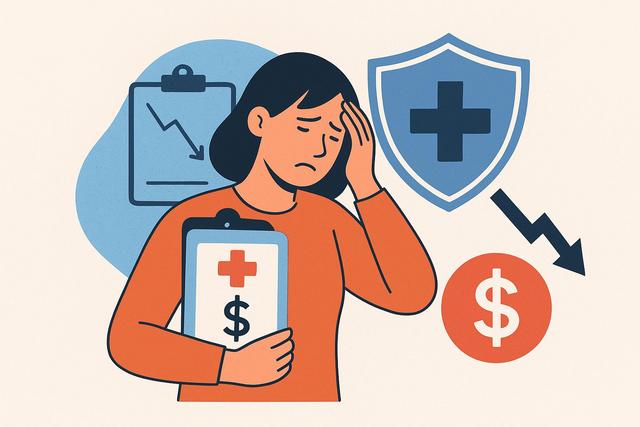
High-deductible health plans (HDHPs) have become a preferred choice for many due to their lower premiums. Yet, the true cost implications for policyholders can be profound, leading to significant healthcare expenses. This article aims to delve deeply into how these plans impact consumers, examining real-world cases, data analytics, and strategic insights.
Understanding High-Deductible Health Plans
High-deductible health plans (HDHPs) are characterized by lower premium costs, making them attractive to individuals and employers alike. However, they also come with higher out-of-pocket expenses, challenging consumers when they seek care.
Defining HDHPs
An HDHP is a health insurance plan with an annual deductible of at least $1,400 for individuals and $2,800 for families (IRS, 2023). While these figures are attractive upfront, unanticipated healthcare needs can quickly elevate out-of-pocket expenses.
Case Study: Sarah's Unexpected Surgery
Sarah, a single mother, chose an HDHP to save on monthly premiums. However, an unexpected surgery left her with a $5,000 bill post-insurance payout. This scenario exemplifies the risk of high out-of-pocket costs, creating financial stress despite insurance coverage.
The Attraction of Low Premiums
Lower monthly premiums often lure individuals towards HDHPs. But what is the real trade-off?
Premium Cost Benefits
With premium savings ranging from 15% to 30% (Kaiser Family Foundation, 2023), HDHPs present an appealing financial option in the short term, especially for healthy individuals with minimal medical needs.
Financial Modelling: Hidden Costs
A report by Health Affairs reveals that participants in HDHPs tend to delay necessary medical care, ultimately leading to worse health outcomes and higher costs over time. Delayed treatment leads to expensive emergency room visits or surgeries, negating initial premium savings.
Who Bears the Brunt?
The lower premium benefits of HDHPs do not extend equally to everyone, often disadvantaging specific demographics.
Middle-Class Pressure
Middle-class families, while earning too much to qualify for subsidies, often juggle between high living expenses and healthcare premiums. These families are forced into high-risk financial situations with HDHPs.
Low-Income Population Impact
A CDC study highlights that individuals below the poverty line are disproportionately affected by high deductible plans, as they forgo necessary treatments due to cost constraints.
The Employer's Perspective
For employers, HDHPs offer a tantalizing way to provide employee coverage while managing corporate expenses.
Benefits for Employers
By reducing insurance premium contributions, companies can reallocate resources towards growth initiatives. A Deloitte study notes a 25% average reduction in company health benefit spending attributable to HDHPs.
Critique of Employer Savings
However, employee satisfaction can plummet, leading to higher turnover and reduced productivity. Unforeseen expenses strain employees, making HDHPs a double-edged sword for employers.
Mitigating Risks: Strategic Approaches
Despite the potential pitfalls, there are strategies to mitigate the risks associated with HDHPs.
Health Savings Accounts (HSAs)
Contributing to an HSA can buffer against high out-of-pocket costs. These tax-advantaged accounts allow consumers to save pre-tax dollars, leading to long-term healthcare financial security.
Corporate Health Initiatives
Employers can offer wellness programs that emphasize preventative care, potentially lowering overall healthcare costs by decreasing the likelihood of costly interventions.
Policy and Regulatory Considerations
HDHPs frequently intersect with public policy and regulatory frameworks that influence their viability and attractiveness.
Affordable Care Act (ACA) Impact
The ACA mandates certain preventive services be covered without a deductible, reducing the burden on plan enrollees. This provision offers a modicum of respite from high initial costs.
Future Regulations
As policymakers push to address healthcare accessibility and affordability, new regulations could redefine permissible plan structures, potentially reducing deductibles or mandating broader service coverage.
Conclusion: Navigating High-Deductible Plans
HDHPs present an intricate balance of low upfront costs with potential financial risks. Understanding strategic use of HSAs, employer support programs, and policy impacts can guide informed decision-making.
Takeaways:
- Weigh initial premium savings against potential future costs.
- Utilize HSAs for cushioning unexpected expenses.
- Employers should consider employee turnover in cost-benefit analyses of offering HDHPs.
- Continuous monitoring of policy changes can provide emerging strategies to optimize plan benefits while mitigating financial harm.

