
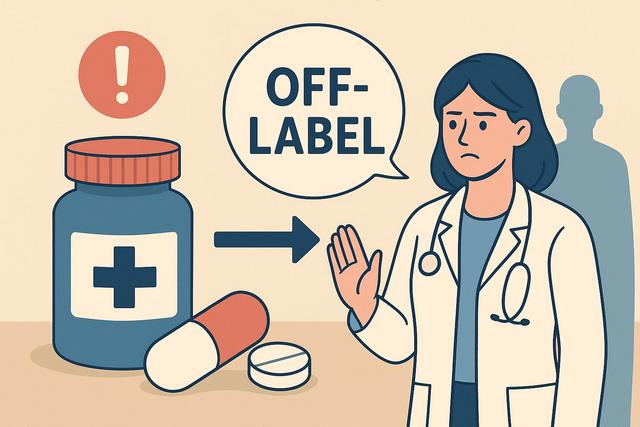
Off-label drug use refers to the practice of prescribing medications for an unapproved purpose, dosage, or patient population. This prevalent practice, though legal, carries distinct advantages and potential risks. Our comprehensive guide offers insight into the nuances of off-label drug use, including safety concerns and regulatory aspects.
What Is Off-Label Drug Use?
The term "off-label drug use" describes the utilization of pharmaceuticals for indications, dosages, or patient populations that have not been approved by regulatory authorities such as the FDA. While a drug's specific approved uses are detailed in its labeling, off-label use occurs when physicians prescribe the medication outside these parameters.
Real-World Application
A common example is the antidepressant Amitriptyline, FDA-approved for depression but often prescribed off-label to treat chronic pain and migraine headaches. Consistently, beta-blockers originally approved for hypertension and cardiac arrhythmias are frequently used in treating anxiety.
Data and Context
An AMA Journal report highlighted that nearly 20% of all prescriptions are estimated to be for off-label use. Moreover, such prescriptions are particularly prevalent in pediatrics and oncology, where clinical trials lag behind emergent therapeutic needs.
Why Do Physicians Prescribe Off-Label?
Rationales for Off-Label Prescribing
Physicians may resort to off-label use when approved medications fail to meet patient needs, or when compelling evidence exists from credible studies suggesting efficacy in off-label conditions.
- Lack of Alternatives: Certain rare conditions lack targeted treatments, compelling doctors to improvise with available medications.
- Evidence-Based Practice: In some cases, strong clinical studies support the efficacy in non-approved uses, influencing healthcare professionals.
Strategic Insights
Understanding both the scientific literature and the patient’s unique condition is pivotal for practitioners. The balance between innovation in treatment and ensuring safety is delicate but necessary.
Regulatory Landscape and Legal Implications
Off-label drug use is legal but unregulated, placing the onus on prescribers to ensure patient safety. While manufacturers cannot market off-label uses, physicians have the discretion to leverage their judgment.
Regulatory Perspectives
The FDA's oversight pertains explicitly to the approval of drugs, while the practice of medicine allows prescribers to use their discretion. However, this practice introduces a gray area in accountability, should adverse effects arise.
Case Example: FDA Interventions
In 2015, the U.S. Department of Justice intervened in a case against a pharmaceutical company for promoting off-label uses of a heart drug without substantial evidence, emphasizing the regulatory body’s vigilance in monitoring misuse.
Benefits and Risks of Off-Label Drug Use
Benefits to Patients
- Customization: Off-label prescribing allows tailored treatments, potentially improving outcomes for non-standard cases.
- Access to Innovation: New applications of existing drugs can provide benefits when standard therapies fall short.
Risk Assessment
However, these prescriptions may lead to unforeseen side effects, as thorough testing in novel applications is often lacking.
Strategic Recommendations
For mitigating risks, a comprehensive understanding of clinical studies backing the off-label use and constant monitoring of patient responses is advised.
Challenges in Off-Label Drug Use
Evidence and Knowledge Gaps
The scarcity of rigorous off-label research often leads to reliance on anecdotal evidence or smaller-scale studies.
Addressing the Challenges
To combat this, fostering partnerships for independent research and encouraging funding for studies can fill existing gaps within the medical community.
The Patient's Role in Off-Label Drug Use
Patients must be informed participants in their treatment plans, including off-label prescriptions.
Effective Communication
Doctors should clearly communicate the rationale behind such decisions, potential benefits, and risks to patients. Encouraging patient questions and informed consent is crucial.
Case Study: Informed Decision Making
A study involving epilepsy patients treated with off-label antipsychotics showed that thorough counseling enhanced patient satisfaction significantly, accentuating the role of transparency in medical ethics.
Conclusion
Off-label drug use, while beneficial under certain circumstances, involves complexities associated with regulation, evidence, and patient safety. Physicians should exercise informed judgment and maintain open dialogue with patients. As stakeholders, regulatory bodies, healthcare providers, and patients must collaborate to advance safe, effective use of pharmaceuticals.
Implementation Steps
- Education: Physicians should stay updated through continuous medical education.
- Evidence Gathering: Encourage and participate in research that validates off-label drug use.
- Patient Communication: Foster clear discussions on potential off-label applications.
- Regulatory Compliance: Understand FDA guidelines on drug approval and marketing to guide prescribing practice adequately.

