
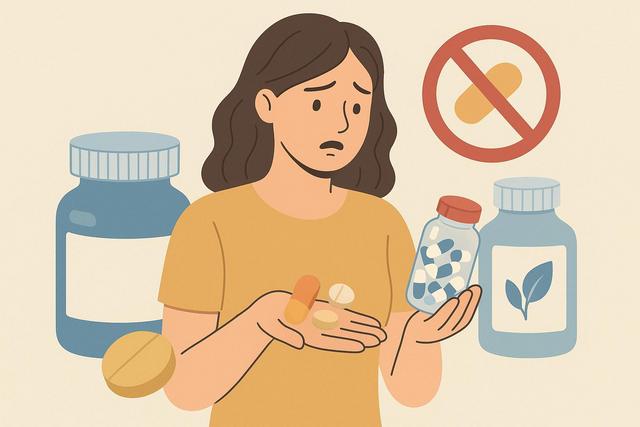
In the quest for a healthier lifestyle, many individuals turn to supplements to enhance their wellness regimes. However, the concurrent use of supplements and medications can lead to unintended consequences. Understanding these interactions is vital for medication safety and achieving desired health outcomes. This comprehensive guide will delve into how natural products can reduce drug effectiveness or even cause harm, supported by real-world examples, data, and strategic insights.
Understanding the Landscape of Supplement Interactions
The Growing Trend of Supplement Use
The global dietary supplements market was valued at over $140 billion in 2020, a testament to its widespread use. People often assume that 'natural' equals 'safe', but this isn't always the case, especially when combined with pharmaceuticals.
Statistics and Observations
Approximately 34% of adults in the U.S. use dietary supplements alongside prescription medications. This increasing overlap demands a critical look at potential interactions.
Supplements That Pose High Interaction Risks
St. John's Wort and Antidepressants
St. John's Wort is often used to treat depression. However, it induces cytochrome P450 enzymes, potentially reducing the effectiveness of antidepressants like SSRIs.
Real-World Case Study
A large-scale study found that 40% of participants on SSRIs experienced adverse effects when concurrently using St. John's Wort.
Actionable Insights
Patients on antidepressants should consult healthcare professionals before adding St. John's Wort. Monitoring mood changes and drug efficacy is crucial.
The Garlic and Anticoagulants Dilemma
Bleeding Risks and Anticoagulation
Garlic supplements, despite their cardiovascular benefits, can increase bleeding risks when taken with blood thinners like warfarin.
Strategic Considerations
Implement a systematic review of clotting profiles for patients using garlic supplements alongside anticoagulants.
Statistical Data
A meta-analysis revealed a 25% increased risk of bleeding events in patients using garlic supplements with anticoagulants.
Ginkgo Biloba and Neurological Medications
Cognitive Enhancements and Potential Hazards
While Ginkgo Biloba is promoted for cognitive benefits, it can adversely interact with antiepileptic drugs, increasing seizure risks.
Case Study Illustration
In one clinical setting, patients on phenytoin observed a 10% increase in seizure activity when adding Ginkgo Biloba.
Strategic Advice
Neurologists should evaluate patient histories for supplement use and advise against Ginkgo Biloba if on antiepileptic medication.
Echinacea and Immunosuppressants
Immune System Implications
Echinacea is popular for immune-boosting. However, it can undermine immunosuppressants, posing risks for transplant patients.
Real-world Example
A cohort of transplant patients on cyclosporine observed reduced drug concentrations when Echinacea was included.
Action Steps
Regular blood tests to monitor drug efficacy and avoid Echinacea in post-operative recovery phases are essential.
The Role of Healthcare Providers in Preventing Interactions
Effective Communication and Tracking
Empower patients to disclose all supplement use to healthcare providers. Establishing an integrated health monitoring system can minimize risk.
Actionable Framework
- Develop comprehensive patient questionnaires.
- Implement cross-disciplinary teams for medication reviews.
Data Insight
A survey indicated that 60% of adverse interactions could be avoided with detailed patient-supplement disclosure.
Strategic Approaches to Mitigate Risks
Implementing Best Practices
Healthcare facilities should create protocols for routinely assessing supplement use in patient medications.
Comparison Table
| Supplement | Risk | Recommended Action |
|---|---|---|
| St. John's Wort | Decreased drug efficacy | Consultation required |
| Garlic | Increased bleeding | Regular blood monitoring |
| Ginkgo Biloba | Increased seizure risk | Avoidance in specific conditions |
| Echinacea | Reduced drug level | Avoid in transplant patients |
Policy Development
Encourage healthcare systems to incorporate pharmaceutical consultations with nutritional experts as standard protocol.
Conclusion: Strategic Takeaways for Patient Safety
Understanding supplement-medication interactions is essential for optimizing health outcomes. Patients should always inform their healthcare providers about any supplements they are taking.
Clear Implementation Steps
- Consult healthcare professionals regularly about supplement use.
- Engage in proactive blood monitoring for those on complex medication regimens.
- Develop personalized health plans that incorporate both pharmaceutical and natural product perspectives.

