Unlocking Access: 24 Hour Telemedicine Services Near Me Online
- 05/01/2026 05:11am
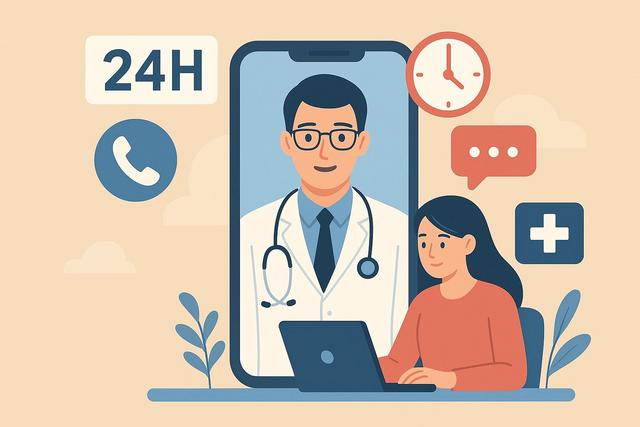
As healthcare continues its digital revolution, telemedicine emerges as a transformative force, offering timely medical consultations regardless of location. This piece delves into the intricacies of 24-hour telemedicine services available online, exploring their structure, benefits, and integration in daily healthcare practices.
Understanding 24 Hour Telemedicine Services
Telemedicine has evolved significantly, offering round-the-clock access to medical consultation through digital platforms. Unlike traditional healthcare models, telemedicine allows patients to engage with healthcare providers without geographical limitations. These services have become crucial, especially in emergencies or when local facilities are unavailable.
The Structure of Telemedicine Services
Telemedicine services are structured around digital platforms that facilitate synchronous and asynchronous communication between patients and healthcare professionals. Patients can schedule real-time consultations (synchronous) or send inquiries for later response (asynchronous).
- Platforms: Common platforms include Amwell, Teladoc, and Doctor on Demand, all of which facilitate seamless video calls, audio calls, and chat functionalities.
- Security: Telemedicine platforms prioritize data security, using encryption standards compliant with HIPAA regulations.
Real-world Applications of Telemedicine
In urban settings, telemedicine supports overburdened healthcare facilities by diverting non-emergency cases from ERs. Rural areas benefit from telemedicine by bridging healthcare accessibility gaps.
- Case Study: According to a study by the Journal of the American Medical Association (JAMA), telemedicine reduced emergency room congestion by 5.4% in urban hospitals in 2022.
- Strategic Insight: Integrating telemedicine into routine healthcare could alleviate pressure on healthcare infrastructure, providing a proactive solution to anticipated patient influxes.
Benefits of 24 Hour Online Medical Consultation
Telemedicine offers myriad benefits beyond simple accessibility. These services streamline healthcare distribution and yield financial savings for both providers and patients.
Cost Efficiency
Engaging with telemedicine services often proves more economical than traditional visits, saving patients transportation costs and time, while providers reduce overhead costs.
- Data Point: A study by Fair Health found that telemedicine visits can cost as low as $40, compared to $125 for in-person urgent care visits.
Enhanced Patient Convenience
Patients can consult professionals without the hassle of geographical relocation or excessive wait times, fostering a more patient-centered approach in healthcare service delivery.
- Strategic Insight: Providers can increase patient satisfaction and loyalty by ensuring seamless, personalized service delivery through intuitive telemedicine platforms.
Challenges Faced by Telemedicine
Despite the promising prospects, telemedicine comes with its set of challenges that need addressing to enhance its efficiency and adoption.
Limited Examination Capability
A primary criticism is the lack of physical examination, essential for certain diagnostics and procedures.
- Critical Perspective: While telemedicine is a viable tool for preliminary consultations, it cannot entirely replace physical assessments where tactile feedback is crucial.
Technological Barriers
Patient access to reliable internet and having the necessary technology can limit the reach of telemedicine.
- Data Point: Approximately 21 million Americans lack high-speed internet as per the Federal Communications Commission (FCC), hindering telemedicine's full potential in rural communities.
Critical Analysis of Telemedicine Efficacy
When effectively integrated, telemedicine improves healthcare delivery efficiency, satisfaction, and outcomes. However, measuring efficacy involves assessing patient outcomes, satisfaction rates, and comparative healthcare savings.
Clinical Outcomes
Telemedicine often leads to positive clinical outcomes through early intervention and ongoing management of chronic conditions.
- Case Study: A comparative analysis by The Lancet Digital Health showed chronic condition management was 20% more effective via telemedicine interventions.
Patient and Provider Satisfaction
Satisfaction rates remain high; however, they hinge on user-friendly platform interfaces and successful resolutions.
- Data Point: Surveys reveal nearly 85% of patients are satisfied with telemedicine services according to a Puget Sound Business Journal survey.
Integrating Telemedicine Into Routine Care
To unlock the full potential of telemedicine, healthcare systems must embrace it as a core service, not just a supplementary one.
Strategic Implementation
Effective integration requires strategic planning, including training for healthcare providers, robust IT infrastructure, and policy support.
- Actionable Insight: Healthcare facilities should consider partnerships with established telemedicine providers to streamline implementation.
Progressive Policy Framework
Governments play a crucial role by formulating supportive policies that encourage telemedicine growth and guarantee patient data protection.
- References: For updated policy insights, resources such as the American Telemedicine Association offer comprehensive guides and standards.
Conclusion
24-hour telemedicine represents a seismic shift in how healthcare is accessed and administered. Embracing these services involves recognizing their potential to enhance patient outcomes, operational efficiency, and resource allocation.
Takeaways:
- Optimize current healthcare practices by integrating telemedicine into everyday operations.
- Address technological and spatial barriers to maximize telemedicine access.
- Stay informed on policies affecting telemedicine to align with regulatory standards.
Implementation Steps:
- Evaluate telemedicine platforms for compatibility and compliance.
- Train staff on digital communication tools for effective service delivery.
- Monitor performance metrics and patient feedback to continually refine processes.

