Best Treatments for Joint Pain in Elderly
- 06/30/2026 05:11am
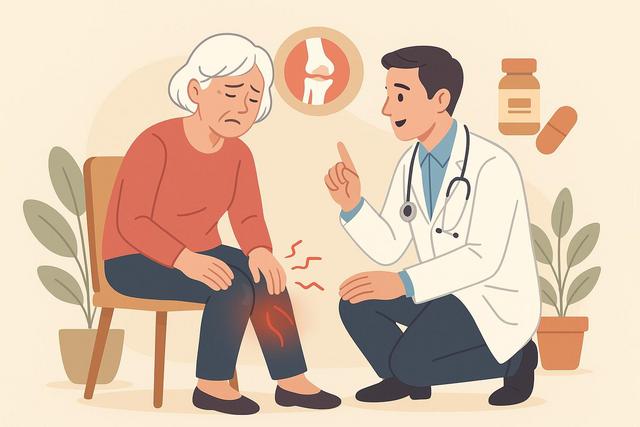
Joint pain is a common concern for the elderly, affecting mobility and quality of life. As the population ages, finding effective treatments becomes increasingly crucial. This comprehensive guide explores the best treatments for joint pain in elderly people, focusing on real-world solutions and providing actionable insights.
Understanding Joint Pain in the Elderly
Joint pain in elderly individuals can stem from various sources, such as osteoarthritis, rheumatoid arthritis, or injury. These conditions can severely impact daily activities, leading to reduced independence.
Common Causes
- Osteoarthritis: A degenerative joint disease often seen in older adults.
- Rheumatoid Arthritis: An autoimmune disorder causing inflammation and pain.
- Past Injuries: Previous injuries can exacerbate joint issues in later years.
Symptoms
Elderly individuals may experience symptoms like stiffness, swelling, and reduced range of motion. Early diagnosis and treatment can help manage these symptoms effectively.
Non-Medical Treatments
Non-medical treatments are often the first line of defense against joint pain. These methods aim to reduce pain and improve mobility without relying on medications.
Physical Therapy
Physical therapy can offer tailored exercise programs that enhance joint function and minimize pain. It often involves exercises that improve strength, flexibility, and balance.
Real-World Example
A study published in The Journal of Rheumatology found that 60% of elderly patients experienced pain relief and improved mobility after engaging in a 12-week physical therapy program.
Diet and Nutrition
Diet plays a role in managing joint pain by reducing inflammation. Anti-inflammatory foods like fatty fish, leafy greens, and nuts can be beneficial.
Practical Recommendations
- Omega-3 Fatty Acids: Incorporate fish oil supplements after consulting a healthcare provider.
- Cut Processed Foods: Reduce intake of processed sugars and fats that may exacerbate inflammation.
Medical Interventions
For more severe cases of joint pain, medical treatments may be necessary. These options often require a healthcare provider's involvement.
Medications
Common medications include acetaminophen, NSAIDs, and corticosteroids, which can reduce inflammation and relieve pain.
Critical Perspective
While effective, these medications have side effects such as stomach irritation or increased risk of cardiovascular issues, and long-term use should be monitored by a healthcare professional.
Surgery
Surgical options like joint replacement can provide significant pain relief and improved mobility when other treatments fail. However, surgery carries risks such as infections and requires a lengthy recovery period.
Alternative and Complementary Therapies
Some elderly individuals find relief through alternative therapies, although these should complement traditional treatments, not replace them.
Acupuncture
Acupuncture has been shown to relieve joint pain by increasing blood flow and releasing pain-relieving endorphins.
Herbal Supplements
Supplements such as glucosamine and chondroitin may benefit some patients. However, scientific evidence is mixed, and consultation with a healthcare provider is advised before beginning any supplement regimen.
Mistakes, Risks, and Misconceptions
Common Pitfalls
- Ignoring Weight Management: Excess body weight can put additional strain on joints.
- Over-Reliance on Pain Medications: This approach can mask symptoms without addressing underlying issues.
Misconceptions
- 'Curing' Joint Pain: It's important to manage expectations, as many treatments aim to manage pain, not cure it.
Conclusion
Addressing joint pain in the elderly requires a multifaceted approach that combines lifestyle changes, medical treatments, and possibly surgical interventions. A healthcare provider can help tailor a treatment plan to individual needs.
Implementation Steps
- Consult a Healthcare Provider: Gain a comprehensive assessment of joint health.
- Develop a Lifestyle Plan: Incorporate exercise, diet, and weight management strategies.
- Explore Medications: Use medications wisely with professional guidance.
- Consider Surgical Options: Evaluate surgical interventions when necessary.
- Evaluate Alternative Therapies: Integrate them with conventional treatments as advised.
FAQs
What is the most effective non-medical treatment for joint pain in the elderly?
Physical therapy, tailored to individual abilities and needs, is highly effective.
Can diet alone manage joint pain in elderly individuals?
While helpful, diet should be part of a comprehensive approach including physical activity and medical advice.
Are alternative therapies like acupuncture beneficial?
These can complement, but not replace, traditional medical treatments and should be explored under professional guidance.

