Understanding and Solving Medication Adherence Problems
- 04/20/2026 05:11am
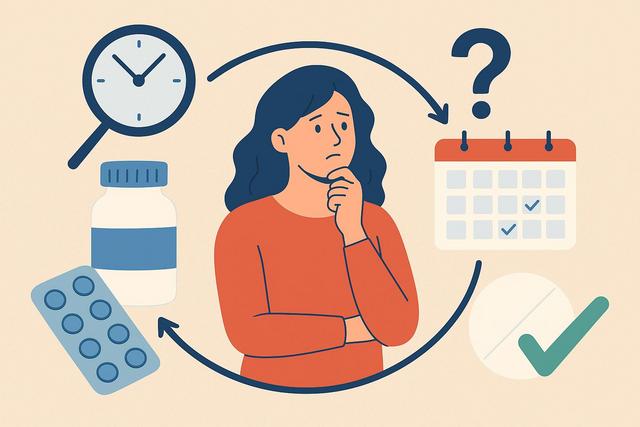
Medication adherence is critical for ensuring that patients receive the full therapeutic benefits of their treatments. Despite its importance, non-adherence remains a persistent issue in healthcare, leading to poor health outcomes and increased healthcare costs. Understanding the reasons behind medication non-adherence and finding effective strategies to overcome this problem is essential for healthcare providers and patients alike.
The Scope of Medication Adherence Problems
Adherence to medication regimes is crucial for patient health, yet numerous individuals struggle with it. The World Health Organization (WHO) reports that approximately 50% of patients with chronic conditions do not take their medications as prescribed. This high rate of non-adherence results in significant health risks and economic costs.
Reasons for Non-Adherence
- Complexity of Regimens: Patients often face challenges due to complicated medication schedules.
- Side Effects and Perceptions: Unpleasant side effects and personal beliefs about medications can deter adherence.
Real-World Impact
In a case study by the Centers for Disease Control and Prevention (CDC), patients with diabetes who did not adhere to medication had a 24% higher risk of being hospitalized. Moreover, the same study showed adherence could save the U.S. healthcare system nearly $300 billion annually.
Psychological and Social Factors
Behavioral aspects significantly contribute to medication adherence. Understanding these can help in devising effective interventions.
Cognitive Barriers
Patients often forget doses or confuse schedules.
- Memory Aids: Tools like pillboxes and apps can reduce forgetfulness.
- Healthcare Interactions: Frequent consultations help reinforce schedules.
Social Influences
Family support plays a pivotal role in adherence.
- Case Study: Research shows that patients with strong social support systems are 65% more likely to follow their medication regimen.
- Actionable Insight: Encourage patient engagement with their social network.
Economic Barriers
The cost of medication is a well-documented barrier to adherence.
Insurance and Copayments
Patients often skip doses to make prescriptions last longer.
- Strategies: Implementing generic drug programs and financial assistance can alleviate this.
- Example: Programs like the Patient Access Network Foundation offer financial support for necessary medications.
Economic Data Points
A study by the National Institutes of Health (NIH) revealed that financial barriers contribute to non-adherence in 20% of cases.
Health Literacy and Communication
Misunderstanding instructions is a common barrier, often rooted in low health literacy.
Education Strategies
Providing clear, easily digestible educational materials can improve adherence.
- Visual Aids: Diagrams and step-by-step guides simplify complex information.
- Interactive Workshops: Enhance understanding through hands-on learning.
Data Correlation
Research has shown that personalized communication can increase adherence by 15%.
Technological Solutions
Digital health technologies can bridge gaps in medication adherence.
Mobile Health Apps
Apps offer reminders and educational content.
- Case Study: A trial involving app use increased adherence rates by 20%.
- Platform Examples: Use reputable platforms like Medisafe.
Telemedicine
Facilitates regular check-ins, enhancing doctor-patient interactions.
- Trend Data: Telehealth usage has spiked by 154% during the pandemic, offering a venue for enhanced adherence support.
Critical Perspective on Non-Adherence
While numerous strategies exist, not all are effective across diverse patient populations.
Tailored Interventions
One-size-fits-all models often fail.
- Customized Plans: Programs should consider individual patient needs and constraints.
Ethical Considerations
Interventions should respect patient autonomy while encouraging adherence.
Conclusion: Taking Action Towards Better Adherence
Medication adherence is a multifaceted issue requiring coordinated efforts from healthcare providers, patients, and policy-makers.
- Strategize: Adopt a multi-pronged approach that addresses psychological, social, economic, and educational barriers.
- Implement Technology: Leverage digital tools to provide consistent adherence support.
- Educate: Enhance patient understanding and self-management capabilities through personalized communication and materials.
Improving medication adherence not only benefits patient health but also alleviates strain on global healthcare systems. Therefore, adopting these strategic solutions is vital for advancement.

