Understanding Anxiety vs Clinical Disorder: A Comprehensive Guide
- 01/26/2026 05:11am
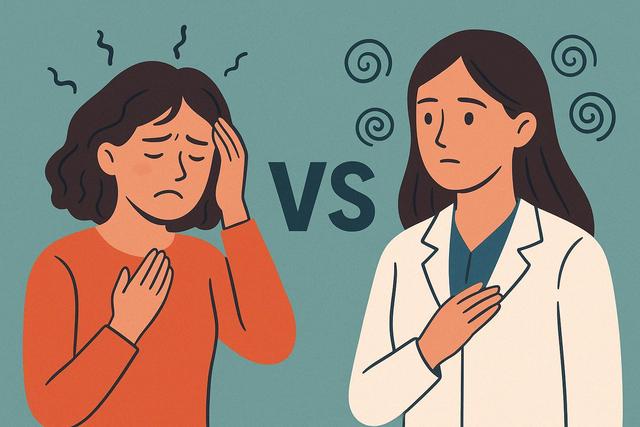
In our fast-paced world, feelings of anxiety have become increasingly common. However, distinguishing normal anxiety from a clinical disorder is crucial for mental well-being. This guide delves into the differences, symptoms, and potential treatments for anxiety and clinical disorders, providing you with clarity and actionable insights.
Understanding Anxiety
Anxiety is a natural emotional response to stress. It can manifest in various situations such as a job interview or speaking in public. This "everyday anxiety" usually subsides once the stressor is absent. According to research conducted by the National Institute of Mental Health (NIMH), experiencing occasional anxiety is normal and part of life's natural cycle.
Common Anxiety Symptoms
The symptoms of anxiety can vary but commonly include:
- Nervousness or restlessness
- Increased heart rate
- Excessive sweating
- Difficulty concentrating
- Shortness of breath
These symptoms tend to be temporary and situation-specific.
What is a Clinical Disorder?
A clinical disorder goes beyond everyday feelings of anxiety. It is a diagnosable condition that may require professional treatment. According to the World Health Organization (WHO), clinical disorders are characterized by persistent symptoms that interfere with daily life.
Signs of a Clinical Disorder
Common signs include:
- Persistent worry or anxiety lasting more than six months
- Avoidance of places or situations to prevent anxiety
- Significant impact on daily activities
- Physical symptoms like chronic fatigue or stomach aches
Such symptoms often need medical intervention.
When to Seek Help
Identifying when to seek help can be challenging. A general rule is if anxiety impairs your ability to function daily, it’s time to consult a health professional. Early diagnosis can prevent long-term complications.
Diagnosis and Treatment
Diagnosing mental disorders often involves a combination of physical exams, mental health assessments, and psychological questionnaires. Licensed professionals may use guides such as the Diagnostic and Statistical Manual of Mental Disorders (DSM-5) for accurate diagnosis.
Treatment plans often include:
- Cognitive Behavioral Therapy (CBT)
- Medication such as antidepressants or anti-anxiety drugs
- Lifestyle modifications like exercise and diet
Managing Anxiety in Everyday Life
Even if your anxiety doesn't qualify as a clinical disorder, various strategies can help manage it. Consider:
- Regular physical activity
- Mindfulness and meditation
- Adequate sleep
- Healthy dieting habits
- Seeking social support
Conclusion
Understanding the distinction between normal anxiety and a clinical disorder is critical to mental health management. If symptoms persist and impact your life, professional help is imperative. Always remember, effective treatments are available, offering renewed hope and improved quality of life.
Actionable Takeaways
- Monitor symptoms and seek help early if they persist.
- Consider lifestyle changes to manage everyday anxiety.
- Educate yourself about the signs of clinical disorders.
- Explore treatment options tailored to your needs.

