Personalized Vaccines: Revolutionizing Medical Innovation
- 04/15/2026 05:11am
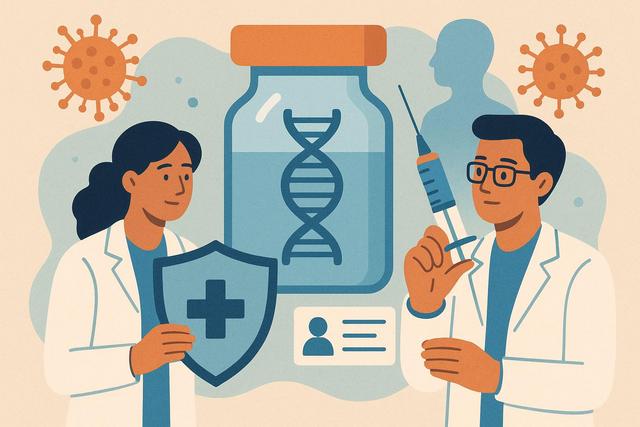
In the ever-evolving landscape of medical innovation, personalized vaccines are emerging as a groundbreaking solution. Unlike conventional vaccines, which are designed for the general population, personalized vaccines are tailored specifically to an individual's genetic makeup and unique immune response. This approach not only enhances efficacy but also provides a robust shield against a myriad of diseases, including cancers and infectious diseases. As research and technology in this field advance, personalized vaccines hold the promise of significantly altering our approach to immunotherapy and preventive medicine.
The Evolution of Personalized Vaccines
From Traditional to Tailored Immunization
Traditional vaccines have been pivotal in controlling infectious diseases, offering population-wide immunity. However, their one-size-fits-all approach often falls short in complex conditions like cancer and chronic infections. Personalized vaccines, conversely, are crafted considering an individual's genetic information.
For instance, the National Cancer Institute highlights how cancer vaccines are being developed to match the specific mutations in a patient's tumor. By targeting neoantigens unique to cancer cells, these vaccines stimulate a precise immune response.
The Role of Next-Generation Sequencing
Next-generation sequencing (NGS) has been instrumental in identifying viable targets for personalized vaccines. Through detailed genetic analysis, NGS enables the detection of mutations that inform vaccine development.
For example, a study published in Nature outlines how NGS facilitated the creation of neoantigen vaccines that resulted in a stronger immune response and better patient outcomes.
Real-World Applications and Case Studies
Cancer Treatment Advances
One of the most exciting applications is in oncology, where personalized vaccines are offering new hope. A case study involving metastatic melanoma patients at an early clinical trial revealed that vaccines developed from patient's specific tumor markers led to a significant reduction in tumor size.
Further data from NIH trials demonstrated regression in difficult-to-treat cancers, highlighting the potential of this tailored approach.
Infectious Disease Management
In the realm of infectious diseases, personalized vaccines offer a strategic avenue for tackling highly mutable viruses like HIV and influenza, where traditional vaccines often fail.
A notable example is the development of personalized mRNA vaccines for COVID-19 variants, which have shown efficacy in targeting evolving strains effectively, according to a report by the CDC.
Strategic Insights into Development
Cost Considerations and Scalability
Developing personalized vaccines poses cost challenges due to the complexity of customization. However, advancements in biotechnology are progressively reducing these costs. Biopharmaceuticals are leveraging AI and machine learning to streamline the vaccine design process.
As seen in research by Biopharma Exceltior, AI tools are being utilized to predict potential immune targets efficiently, cutting down both time and expenses.
Regulatory Landscape
The path to regulatory approval for personalized vaccines is intricate, requiring large-scale clinical validation. The FDA is working on frameworks to expedite the approval processes for these innovative therapies.
An initiative by the FDA's Center for Personalized Medicine is underway to streamline the evaluation processes while ensuring safety and efficacy.
Challenges and Critical Perspectives
Biological and Technical Challenges
While promising, developing vaccines personalized to genetic makeup presents biological challenges like identifying specific antigens that trigger robust immune responses. Additionally, there are technical hurdles in manufacturing and scalability.
Addressing these requires collaborative efforts between biotechnologists and regulatory bodies to innovate and refine processes.
Ethical and Data Privacy Concerns
A significant obstacle is ensuring patient privacy in the use of genomic data. The European Medicines Agency is leading initiatives to draft guidelines protecting patient data while promoting innovation.
These guidelines emphasize transparency and consent as pivotal elements to gain public trust effectively.
Emerging Technologies And Tools
AI and Machine Learning
AI is increasingly being used to design highly specific personalized vaccines. Platforms that utilize machine learning algorithms are aiding in the prediction of potential antigen targets from genetic data.
This approach not only accelerates the vaccine design process but also optimizes resource allocation, providing economic benefits to pharmaceutical companies.
CRISPR and Gene Editing
CRISPR technology showcases a potential to modify immune cells to better respond to personalized vaccines. According to Journal of Clinical Medicine, gene-editing tools enhance vaccine efficacy by customizing immune response pathways.
This application is particularly promising for chronic ailments that require durable immunity.
Future Trends and Directions
Sustainability in Vaccine Production
The focus is on creating sustainable and readily adaptable vaccine manufacturing processes that cater to personalized solutions. Initiatives are underway to integrate eco-friendly practices in biopharmaceutical manufacturing.
For example, approaches that minimize waste and optimize energy use are garnering attention from global healthcare systems.
Global Accessibility and Equity
A critical future direction is ensuring these advanced vaccines are globally accessible. Partnerships between governments and pharmaceutical companies are essential to balance innovation with distribution equity.
Efforts like the WHO’s vaccine equity plan seek to make personalized healthcare a reality for international communities, providing universal benefit from cutting-edge treatments.
Comprehensive Conclusion
Personalized vaccines represent a transformative shift in medical science, moving towards highly effective, targeted immunotherapy. Despite challenges such as cost and regulatory hurdles, the continual evolution of technology promises solutions that are both innovative and accessible.
To actualize personalized vaccines, it is essential to:
- Invest in next-generation technologies like AI and CRISPR.
- Establish transparent regulatory frameworks.
- Promote global partnerships for distribution equity.
- Address ethical concerns with robust data privacy safeguards.
By adopting these strategies, the medical field can fully harness the potential of personalized vaccines, revolutionizing the way we prevent and treat diseases.

