Rumination and Depression: Understanding and Overcoming Mental Loops
- 04/17/2026 05:11am
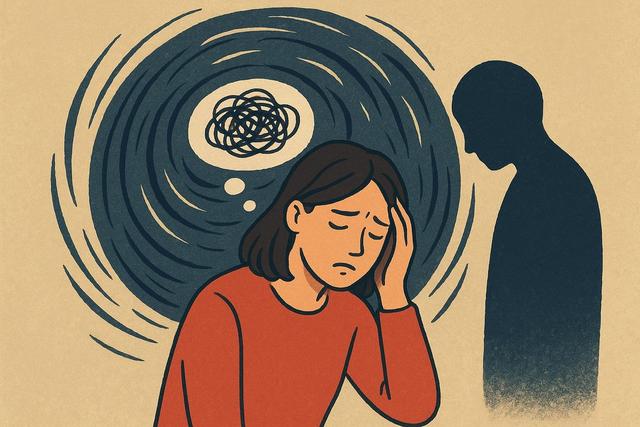
Rumination is a cognitive process characterized by repetitive and continuous thinking about the causes and consequences of one’s distress, which can significantly fuel and exacerbate depression. This strategic guide will explore how rumination is interconnected with depressive states, providing a detailed analysis, relevant examples, and actionable insights to help break the cycle.
Understanding Rumination in the Context of Depression
Cognitive Patterns in Rumination
Rumination involves cyclical thinking where an individual fixates on the roots of their distress without arriving at a resolution. This maladaptive cognitive process is a primary risk factor for depression, maintaining and exacerbating depressive symptoms through a self-perpetuating cycle.
One study from Nolen-Hoeksema found that people who are susceptible to rumination are more likely to experience prolonged periods of depression, as their focus on negative thoughts prevents them from problem-solving.
Real-World Case Studies
Consider the case of an individual consistently worrying about work performance. This constant rumination leads to feelings of inadequacy and eventually contributes to depressive symptoms, creating a vicious cycle that hinders recovery and resilience.
Strategic Insights and Actions
Identifying these cognitive patterns early can be crucial for prevention. Cognitive Behavioral Therapy (CBT) is effective in breaking these loops by restructuring negative thoughts. Regular journaling can help externalize and rationalize overwhelming patterns.
The Role of Emotional Health in Interrupting Rumination
Interconnection of Emotional Health and Mental Loops
Emotional health serves as a foundation to tackle rumination. When individuals are emotionally resilient, they are better equipped to manage stress and interrupt excessive mental loops before they feed into depression.
Building emotional skills such as emotional regulation can significantly reduce ruminative thought patterns, as evidenced by a study published in the Journal of Psychology.
Enhancing Emotional Health in Daily Life
Implement mindfulness-based practices, which have been shown to increase emotional awareness and reduce stress responses. Apps like Headspace can guide daily mindfulness exercises.
Comparing Strategies to Manage Rumination and Depression
Practical Approaches to Halt Rumination
Self-help techniques can be a powerful tool against rumination. For instance:
- Engaging in physical activities that require full attention (e.g., rock climbing or martial arts)
- Structured problem-solving techniques
Comparison Table: Cognitive Therapy vs. Mindfulness-Based Therapy
| Aspect | Cognitive Therapy | Mindfulness-Based Therapy |
|---|---|---|
| Approach | Restructures negative thinking | Promotes non-judgmental awareness |
| Focus | Problem-solving | Present-moment awareness |
| Timeframe | Short-term effectiveness | Long-term lifestyle integration |
| Suitable For | Those with structured thinking demands | Those open to experiential awareness |
Data-Driven Insights: Statistics on Rumination's Impact
Analyzing Data on Mental Health
Recent findings from a survey published by the National Institute of Mental Health reveal that approximately 75% of individuals with depression engage in rumination, further demonstrating its significant impact.
Understanding these statistics highlights the need for targeted mental health strategies, emphasizing cognitive awareness and emotional intelligence.
Interrupting Mental Loops: Techniques and Implementations
Identifying and Disrupting Patterns
Equipping individuals with tools to identify ruminative thoughts can effectively disrupt these cycles. Thought logs can be helpful to track and analyze patterns.
Implementations should focus on building routine interventions, such as daily reflections or guided self-talk, which provide concrete pathways to alleviate mental loops.
Actionable Insights for Immediate Relief
- Schedule predetermined "worry periods" to confine rumination within defined limits.
- Use techniques like Cognitive Defusion, part of ACT (Acceptance and Commitment Therapy), to disentangle from negative thoughts and see them as separate from oneself.
Finding Support: Resources and Community
Utilizing Available Support Networks
Finding support is fundamental. Online resources like Psychology Today list therapists specializing in CBT or rumination-focused interventions.
Building a Supportive Network
Engage with community support groups—whether through online platforms or local mental health organizations—that provide a space for shared experiences and collective strategies.
Conclusion: Implementing a Structured Plan to Combat Rumination and Depression
Summary and Takeaways
Rumination not only exacerbates depression but also halts the healing process. By understanding its impact and employing strategic interventions such as CBT, mindfulness, and emotional regulation, individuals can disrupt this crippling cycle.
Implementation Steps
- Self-awareness: Start by becoming aware of when and why you ruminate.
- Routine Building: Incorporate mindfulness exercises and physical activities into your daily routine.
- Seek Professional Help: Consider professional guidance for cognitive restructuring and emotional regulation.
- Engage in Support Systems: Leverage online and community resources for shared knowledge and support.
By strategically targeting rumination through these varied techniques, individuals can enhance their mental resilience and break free from the chains of depression.

