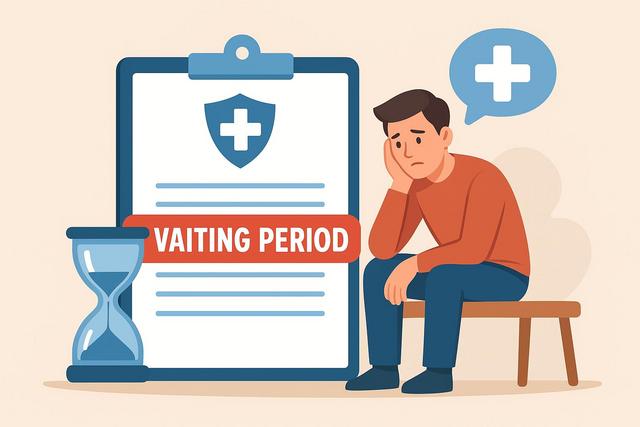
Navigating the intricacies of health insurance can be daunting, particularly when it comes to waiting periods — a term frequently encountered but often misunderstood. This guide will demystify the concept, offering you clarity and strategic insights into managing and optimizing your health insurance cover.
What Is a Health Insurance Waiting Period?
A health insurance waiting period refers to the time frame between when a health insurance policy is purchased and when the coverage actually starts. During this period, certain claims may not be eligible for reimbursement. Insurers impose these waiting periods to mitigate the risk of individuals purchasing insurance only when they face immediate healthcare needs.
Types of Waiting Periods
- Initial Waiting Period: Typically lasting 30 days from the policy start date, except for accidental cases.
- Disease-Specific Waiting Period: Commonly applied to specific ailments such as hernias or cataracts, lasting between 1 to 4 years.
- Pre-existing Condition Waiting Period: This period may extend up to 4 years depending on the policy and country regulation.
- Maternity Waiting Period: Generally lasts from 9 months to 2 years.
Case Study: Practical Implications
Imagine a scenario where Jack, a new policyholder, requires cataract surgery during the first year of his policy. If the disease-specific waiting period is not yet completed, his claim may be postponed or denied.
Why Do Insurers Have Waiting Periods?
Health insurers enforce waiting periods to discourage adverse selection, where individuals delay purchasing policies until they need significant medical intervention. This ensures a balanced risk pool, keeping insurance premiums affordable.
For example, without such waiting periods, people could enroll when anticipating higher medical costs, leading to unmanageable claim ratios for insurers.
Strategies to Manage Waiting Periods
- Early Enrollment: Sign up for health insurance before the need arises.
- Choose the Right Plan: Evaluate plans based on specific waiting period terms, especially if chronic conditions are prevalent in your family history.
- Employer Plans: Leverage employer-sponsored insurance as these plans sometimes have reduced waiting periods.
Actionable Insights
- Consider individual insurance plans as well as employer options to compare waiting periods.
- Families planning children might prioritize shorter maternity waiting periods even if premiums are slightly higher.
Comparing Different Health Insurance Waiting Periods
| Type | Typical Duration | Recommendations |
|---|---|---|
| Initial Waiting Period | 30 days | Plan ahead to avoid waiting for claims |
| Disease-Specific | 1-4 years | Verify the duration for prevalent conditions |
| Pre-existing Conditions | 1-4 years | Disclose conditions to avoid future claim issues |
| Maternity | 9 months to 2 years | For new families, aim for shorter waiting periods |
Common Mistakes and Misconceptions
- Ignoring Policy Details: Always read and understand the policy document, especially the waiting period clauses.
- Disregarding Pre-existing Conditions: Non-disclosure can lead to claim denials later.
- Assuming Uniformity: Different insurers have varying waiting period policies.
FAQs About Health Insurance Waiting Periods
1. Can the waiting period be waived?
It depends on the insurer; some offer plans with waived periods for higher premiums.
2. Do waiting periods apply to all health issues?
Not typically. Emergencies or accidents are often covered immediately.
3. What happens if I switch insurance providers?
Porting a policy might lead to fresh waiting periods for certain conditions.
Conclusion: Optimizing Your Health Insurance
Understanding the nuances of health insurance waiting periods is crucial for making informed decisions. Early enrollment, comprehensive plan evaluation, and awareness of policy specifics are key to optimizing the coverage you receive. By following the strategies outlined, you can ensure you are not caught off guard and can maximize your insurance benefits effectively.

