Wearable Tech: Revolutionizing Mental Health Monitoring
- 12/03/2025 05:11am
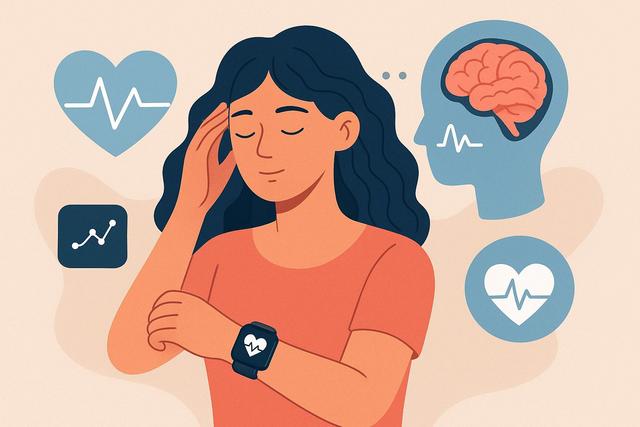
The rise of wearable technology has provided significant advancements in various areas of health, including mental wellness. Wearable devices, such as smartwatches and fitness trackers, are not only counting steps or monitoring sleep but are now crucial in monitoring mental health. As mental health issues like stress, anxiety, and depression become increasingly common, wearable tech offers a promising tool for early detection and continuous management. In this guide, we explore how wearable technology can play a pivotal role in mental health monitoring, its current applications, and future potential.
Understanding Wearable Technology and Mental Health
Wearable technology refers to electronic devices that are worn on the body or integrated into clothing. These devices collect and deliver data to users, potentially through synchronized applications on smartphones or other digital interfaces. In the context of mental health, wearables provide two main functions: tracking physiological indicators and providing feedback to the user.
How Wearables Track Mental Health
Wearables use a variety of sensors to continuously monitor physiological signs that are indicative of mental health states. Common metrics include heart rate variability (HRV), sleep patterns, and activity levels. Advanced devices might also utilize electrodermal activity (EDA), which senses changes in sweat gland activity as a response to emotional stimuli, or photoplethysmography (PPG) for pulse monitoring.
- Heart Rate Variability (HRV): HRV is a measure of the variation in time between consecutive heartbeats, and is closely associated with stress and emotional regulation.
- Sleep Patterns: Quality and duration of sleep can be indicators of mental wellness, with disturbances often linked to anxiety or depression.
- Physical Activity: Regular activity levels help mitigate stress and support emotional stability.
The Role of Wearables in Stress Detection
Detecting stress early is crucial for preventing worsening mental health conditions. Wearables achieve this by analyzing physiological metrics in real-time. For instance, a sudden drop in HRV or abnormal activity patterns might indicate acute stress or anxiety episodes. Wearables like the Fitbit Sense, which includes sensors for skin temperature and EDA, are tailored for this purpose, providing feedback that might prompt users to adopt relaxation techniques or seek professional help.
Case Studies: Successful Integration of Wearables in Mental Health
Numerous studies have showcased the potential of wearables in mental health care. One significant study published by Harvard Health Publishing illustrated how wearables helped in reducing anxiety levels in participants by providing timely alerts and suggestions for mindfulness exercises.
Another prominent case study involved the use of the Apple Watch, which through its integration with health apps, demonstrated a reduction in hospital visits related to mental health by offering proactive alerts based on anomalous activity patterns.
Future Potential of Wearable Tech in Mental Health
As technology advances, the capabilities of wearable devices are expected to expand. Future developments may include:
- AI-Driven Insights: With the integration of artificial intelligence, wearables could offer personalized mental health insights and predictions based on learning patterns over time.
- Improved Sensor Technology: Enhanced accuracy and the ability to measure more subtle physiological changes will increase the reliability of data.
- Greater Interconnectivity: Seamless communication between wearable devices and healthcare systems will enable better clinical management and interventions.
Challenges and Ethical Considerations
While promising, the use of wearable tech in mental health monitoring raises several challenges and ethical considerations:
- Data Privacy: Ensuring the privacy and security of sensitive mental health data is paramount.
- Data Accuracy: The accuracy and reliability of wearable devices need continuous validation.
- User Engagement: Ensuring users remain engaged and consistently use these devices over time.
Actionable Insights and Conclusion
To leverage wearable tech effectively for mental health monitoring, users should:
- Select Devices with Required Features: Choose devices that track relevant physiological markers like HRV and sleep.
- Integrate with Mental Health Strategies: Use the data as part of a broader strategy that includes professional mental health support.
- Stay Informed: Keep abreast of new developments in wearable tech and regularly update device firmware for accuracy improvements.
In conclusion, wearable tech offers a powerful toolset for enhancing mental health monitoring and management. As the technology continues to evolve, it will increasingly become a cornerstone of both self-care and clinical mental health strategies.

