Immunotherapy: Areas of Success and Future Potentials
- 03/11/2026 07:11am
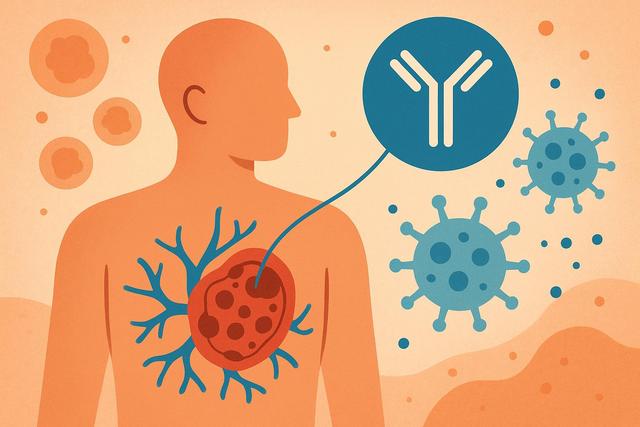
Immunotherapy has revolutionized the treatment of various cancers and diseases by activating the body's own immune system to recognize and combat these conditions effectively. While still an emerging field, its potential applications and impacts are vast and promising. This guide explores the areas where immunotherapy has shown its most significant successes, accompanied by data, examples, and strategic insights into current and future implications for healthcare.
Understanding Immunotherapy
Immunotherapy is a groundbreaking approach in medicine, leveraging the body's immune system to fight diseases. Unlike traditional treatments, it enhances the body's natural defenses to detect and destroy pathogens more efficiently.
Mechanisms of Action
Immunotherapy works primarily through two methods: stimulating the immune system to work harder and smarter to attack cancer cells, and providing it with engineered components such as antibodies to enhance its function.
Immune Checkpoint Inhibitors: These drugs release the brakes on the immune system, unleashing its full potential to attack tumors. The implementation of medications like PD-1 and CTLA-4 inhibitors has transformed cancer treatment.
CAR T-cell Therapy: This innovative approach modifies a patient's T-cells to specifically target cancer cells. Clinical trials have shown remarkable results in hematological malignancies.
Case Study: Melanoma
Melanoma was one of the first cancers where immunotherapy showed promise, particularly with checkpoint inhibitors. In a study published in The New England Journal of Medicine, combination therapies showed a 60% overall survival rate compared to traditional chemotherapy.
Immunotherapy in Cancer Treatment
Immunotherapy's triumphs are particularly noteworthy in the oncology arena, offering hope beyond conventional methods.
Hematologic Cancers
Impressive outcomes in blood cancers have demonstrated immunotherapy's efficacy.
- Data-Driven Insights: According to the American Cancer Society, CAR T-cell therapies have led to a 93% remission rate in certain leukemia cases.
- Success Stories: Patients with refractory acute lymphoblastic leukemia have reported significant remission, signaling a paradigm shift.
Solid Tumors: A Mixed Success
Although not as straightforward as hematologic cancers, some solid tumors have responded well.
- Checkpoint Inhibitors: Drugs like pembrolizumab have shown a 30% response rate improvement in lung cancer cases.
- Strategic Action Points: Focusing on tumor microenvironment research could unlock potential for broader applications.
Beyond Cancer: Expanding Horizons
Immunotherapy's implications reach beyond oncology, making headways into other diseases.
Autoimmune Diseases
While the role of immunotherapy in autoimmune diseases is less clear, potential therapies target mechanisms that could alleviate symptoms.
- Clinical Trials: Trials targeting rheumatoid arthritis have shown moderation of immune activity without total suppression.
- Emerging Data: Research published in Journal of Autoimmunity suggests remissions in cases using immune-modulating drugs.
Infectious Diseases
Research into vaccines and immunotherapies to combat infectious diseases is on the rise.
- Example: The development of therapeutic vaccines for diseases like Hepatitis B shows promise in both prevention and treatment.
- Path Forward: Continuous investment in R&D is paramount, with potential spillover benefits seen in genetic and chronic disease therapies.
Challenges and Limitations
While immunotherapy offers immense promise, numerous hurdles remain to be addressed.
Adverse Effects
Immune responses can sometimes lead to inflammation or even attack healthy cells.
- Impact Assessment: Severe side effects necessitate close monitoring and adjustment of treatment protocols.
- Balancing Act: Doctors are challenged to balance efficacy with patient safety in immunotherapies.
Accessibility and Costs
Increased demand and high production costs impact treatment availability.
- Cost Analysis: According to Forbes, average treatment costs range up to $373,000, potentially imposing financial burdens on healthcare systems.
- Strategic Insights: Streamlining production and introducing healthcare policies are necessary for broader access.
Future Prospects and Innovations
The future of immunotherapy is teeming with potential innovations extending beyond current applications.
Personalized Medicine
With advancements in genetic profiling, treatments are being tailored to individual genetic markers.
- Case Example: Personalized immunotherapy regimens have shown promise, especially in genetically distinct cancer subtypes.
- Strategic Pathways: Integrating AI for predicting patient responses may further catalyze personalized treatment efficacy.
Combining Treatments
Combining immunotherapy with traditional methods may enhance outcomes and mitigate resistance.
- Combination Protocols: Studies reveal that chemotherapies and immunotherapies together can drastically improve survival rates.
- Future Direction: Research into optimal drug pairs or sequences is essential for maximizing patient outcomes.
Conclusion
Immunotherapy represents a transformative frontier in medical treatment, offering renewed hope for various conditions, especially cancer.
Takeaways
- Success Sectors: Notable success in hematologic cancers with expanding applications in solid tumors and other diseases.
- Strategic Actions: Prioritize personalized medicine and explore combination therapies to improve efficacy.
- Overcoming Challenges: Address side effects and cost barriers through policy adjustments and enhanced R&D.
Implementation Steps
- Invest in Research: Areas like tumor microenvironment and genetic profiling offer significant potential for breakthroughs.
- Enhancement of Access: Advocate for policy changes to cut costs and increase treatment availability.
- Focus on Education: Increase awareness among healthcare providers and patients about the potential benefits and risks involved in immunotherapy.
This comprehensive guide outlines the current landscape of immunotherapy, providing insights into its successes, challenges, and future directions as healthcare continues to explore the potential of this innovative approach.

