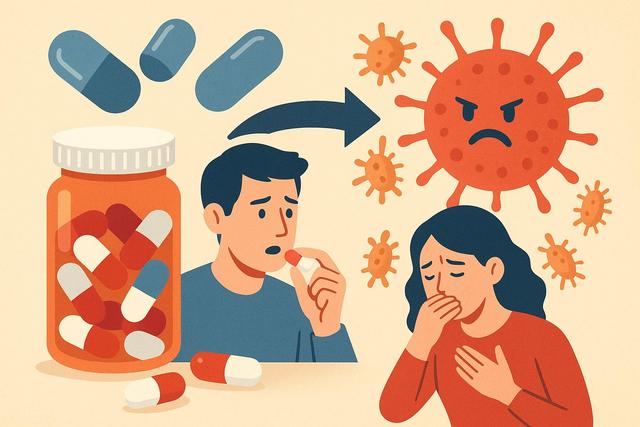
Antibiotics have been hailed as a revolutionary weapon in combating infectious diseases. Yet, the overuse and misuse of these medicines have led to a burgeoning public health crisis. Antibiotic resistance is a growing concern worldwide, threatening to undo decades of medical advancements.
Understanding Antibiotic Overuse
Antibiotics are critical in treating bacterial infections, but their overuse is a troubling issue with far-reaching consequences. Overprescription, self-medication, and inappropriate administration are key contributors to this inefficiency.
The Mechanisms of Antibiotic Resistance
When bacteria are exposed to antibiotics, some may survive due to genetic mutations or pre-existing resistant genes. These survivors multiply, leading to a population of resistant bacteria. This process is accelerated by the misuse of antibiotics, such as not completing a prescribed course or using them for viral infections (e.g., the common cold or flu).
Consequences for Public Health
Resistant Infections
Antibiotic-resistant infections are harder, and sometimes impossible, to treat. They lead to longer hospital stays, higher medical costs, and increased mortality. According to the World Health Organization (WHO), resistance is causing a major global health crisis that demands urgent action.
Impact on Medical Procedures
Routine surgeries and cancer treatments rely on effective antibiotics for infection prevention. Resistance could make these procedures incredibly risky, leading to higher complication rates and fatalities.
Case Studies and Data Analysis
Case Study: The Rise of Methicillin-Resistant Staphylococcus Aureus (MRSA)
MRSA is a prime example of antibiotic resistance's dire consequences. This bacterium causes infections that are difficult to treat due to its resistance to many commonly used antibiotics. A study by the CDC found that MRSA is responsible for significant infection rates in both community and healthcare settings.
Overcoming Antibiotic Resistance: Actionable Insights
Responsible Prescription Practices
Healthcare providers should adhere to strict guidelines when prescribing antibiotics. This includes confirming bacterial infections before prescribing and choosing the right antibiotic with an adequate dosage.
Patient Education
Educating the public on the dangers of antibiotic misuse is crucial. Patients must understand the importance of completing antibiotic courses and why self-medication is hazardous.
Innovations in Antibiotic Stewardship
Advancements in diagnostic tools can lead to more accurate and swift identification of infections, aiding in the appropriate selection of antibiotics. Institutions should invest in antibiotic stewardship programs to monitor and improve antibiotic usage.
The Role of Policy and Global Cooperation
Governments and international bodies need to collaborate on policies that limit antibiotic sales and use, especially in developing countries where regulation is lax. The Global Action Plan on Antimicrobial Resistance by WHO aims to foster such cooperation.
Conclusion
The overuse of antibiotics is a multifaceted issue that threatens public health globally. Combating antibiotic resistance requires a unified effort across healthcare providers, policy-makers, and the public. By fostering responsible use, investing in research, and enhancing global cooperation, we can mitigate the looming threat of antibiotic resistance.
Actionable Takeaways
- Empower healthcare professionals through continued education on responsible prescribing practices.
- Engage the public with awareness campaigns highlighting the importance of appropriate antibiotic use.
- Promote innovative research to develop new antibiotics and diagnostic tools.
- Foster global cooperation to enact policies that limit improper antibiotic use.

